Your gut isn’t just where food is digested — it’s where your energy, immunity, and overall wellness begin. Modern science now calls the gut our “second brain,” and for good reason: more than 70% of the immune system lives in your digestive tract, and trillions of microbes work there around the clock to keep you balanced, resilient, and thriving.
But there’s a catch.
Most of us no longer eat in a way that supports that inner ecosystem. Processed foods, refined sugars, additives, and stress all chip away at the delicate harmony inside your gut. The result? Bloating, fatigue, mood swings, skin issues, inflammation — and an overall feeling that something’s “off.”
That’s where whole foods come in — not as a diet trend, but as nature’s original medicine.
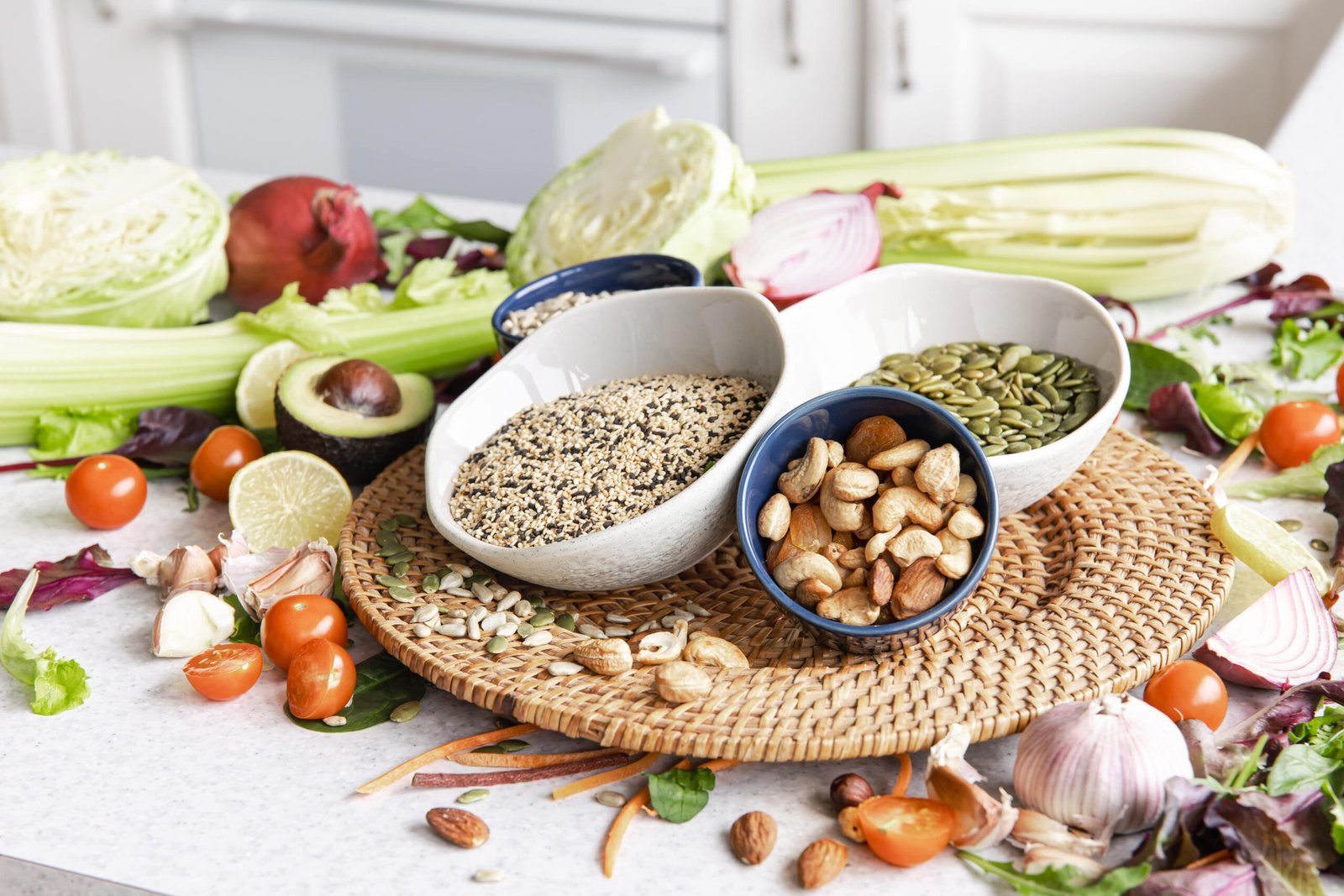
Whole foods are foods in their most natural, unprocessed state — fruits, vegetables, legumes, whole grains, nuts, seeds, herbs, and clean proteins. They’re packed with vitamins, minerals, enzymes, fiber, and antioxidants that your body recognizes and uses with ease.
When you nourish your gut with these foods, you’re not just eating — you’re rebuilding your inner foundation. The microbes in your gut feed on plant fibers, your intestinal lining repairs itself, inflammation lowers, and your body starts to function the way it was designed to.
In this guide, we’ll explore why whole foods are scientifically proven to heal your gut, how they work in harmony with your body, and how small, mindful shifts in your daily meals can transform your digestion — and your life.
Table of Contents
The Science Behind Whole Foods
Eating whole foods isn’t just a trendy lifestyle choice — it’s grounded in science. To understand why whole foods heal the gut, we need to explore how the body and microbiome interact with natural, unprocessed foods.
1. Fiber: The Gut’s Favorite Fuel
Fiber is the indigestible part of plants that travels through your digestive tract mostly intact. There are two main types:
- Soluble fiber: Found in oats, beans, fruits, and vegetables. It forms a gel-like substance in the gut, slowing digestion, stabilizing blood sugar, and feeding beneficial bacteria.
- Insoluble fiber: Found in whole grains, nuts, and leafy vegetables. It adds bulk to stool and supports regular bowel movements.
Scientific studies show that a diet rich in fiber promotes microbial diversity, which is essential for a healthy gut. Diverse gut bacteria help produce short-chain fatty acids (SCFAs) like butyrate, which protect your intestinal lining, reduce inflammation, and support immunity.
2. Phytochemicals and Antioxidants: Nature’s Protective Compounds
Whole foods contain thousands of phytonutrients, compounds that plants produce to protect themselves. When we eat these foods, our bodies absorb these compounds, which can:
- Reduce oxidative stress and inflammation
- Support gut lining integrity
- Enhance microbial balance
Examples include:
- Polyphenols in berries and cocoa
- Carotenoids in carrots, sweet potatoes, and spinach
- Flavonoids in apples, onions, and green tea
Even small, consistent servings of colorful vegetables and fruits have been shown to improve gut diversity and reduce markers of intestinal inflammation.
3. Natural Enzymes: Supporting Digestion
Whole foods often contain natural enzymes that help break down food more efficiently, reducing digestive stress. For example:
- Pineapple contains bromelain, which aids protein digestion
- Papaya contains papain, another protein-digesting enzyme
- Fermented foods like sauerkraut or kimchi contain live enzymes and probiotics, which directly support gut health
These natural enzymes allow your gut to focus on nutrient absorption rather than overworking to process heavily processed foods.
4. Healthy Fats and Gut Health
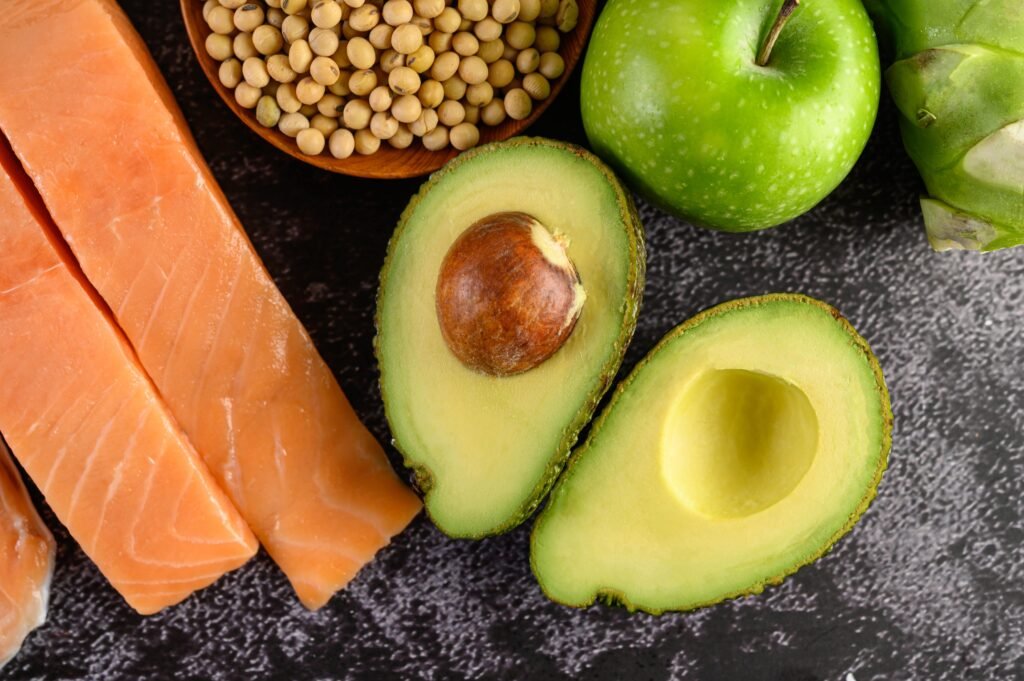
Not all fats are created equal. Whole-food sources of fat like avocado, nuts, seeds, and fatty fish provide:
- Anti-inflammatory omega-3 fatty acids
- Fat-soluble vitamins A, D, E, and K
- Support for cell membranes in the intestinal lining
Omega-3s, in particular, have been shown to increase beneficial gut bacteria and reduce inflammation, which is essential for maintaining a resilient gut barrier.
5. Protein from Whole Sources
Protein is critical, but processed protein sources (e.g., protein bars with additives) can burden digestion. Whole-food proteins like beans, lentils, eggs, fish, and poultry:
- Provide essential amino acids for tissue repair
- Support gut lining regeneration
- Fuel the microbiome with specific compounds that feed beneficial bacteria
How Whole Foods Heal the Gut
Healing your gut isn’t just about reducing discomfort — it’s about restoring balance, improving digestion, strengthening immunity, and enhancing overall wellness. Whole foods act as both medicine and nourishment, gently supporting these processes. Let’s break down how this happens:
1. Promotes Microbial Diversity
Your gut is home to trillions of bacteria — some helpful, some potentially harmful. A diverse microbiome is key for digestion, immunity, and even mental health.
- Whole foods, especially fiber-rich fruits, vegetables, legumes, and whole grains, provide food for these beneficial bacteria.
- When these bacteria thrive, they produce short-chain fatty acids (SCFAs) like butyrate, acetate, and propionate, which:
- Protect the intestinal lining
- Reduce inflammation
- Support nutrient absorption
Scientific studies show that people who eat a variety of plant-based whole foods have higher microbiome diversity and lower levels of gut inflammation.
2. Repairs the Intestinal Lining
A damaged gut lining can lead to “leaky gut,” allowing toxins and partially digested food particles to enter the bloodstream, triggering inflammation.
Whole foods aid in repairing this lining by:
- Providing amino acids like glutamine, found in beans, lentils, and eggs, which help intestinal cells regenerate.
- Delivering anti-inflammatory compounds, like polyphenols in berries and leafy greens, that calm irritation.
- Offering omega-3 fats, which strengthen cell membranes and reduce gut permeability.
Regular consumption of these foods encourages a resilient, protective gut barrier, reducing bloating, sensitivity, and inflammation.
3. Reduces Inflammation Naturally
Chronic low-grade inflammation in the gut can trigger digestive issues, fatigue, skin problems, and even autoimmune conditions.
Whole foods combat this by:
- Minimizing pro-inflammatory triggers like refined sugars and additives
- Supplying antioxidants and phytochemicals that neutralize free radicals
- Supporting gut microbes that produce anti-inflammatory metabolites
Even small daily adjustments — like adding turmeric, garlic, leafy greens, and berries — can gradually lower gut inflammation and improve comfort.
4. Supports Digestion and Nutrient Absorption
Processed foods often lack enzymes and fiber, making digestion harder. Whole foods:
- Contain natural enzymes, like bromelain in pineapple and papain in papaya, which help break down proteins.
- Offer fiber, which regulates bowel movements, prevents constipation, and feeds beneficial microbes.
- Improve nutrient absorption through synergistic combinations — e.g., vitamin C from fruits enhances plant-based iron uptake.
This ensures your body not only digests food efficiently but also extracts maximum nourishment, which is critical for gut repair and overall vitality.
5. Balances Gut pH and Reduces Harmful Bacteria
Whole foods like vegetables, fermented foods, and certain spices help maintain a healthy gut pH, discouraging the growth of harmful bacteria while promoting beneficial ones.
- Fermented foods like kimchi, sauerkraut, and yogurt introduce probiotics, which compete with harmful bacteria.
- Fiber-rich foods act as prebiotics, feeding the good bacteria.
- Polyphenol-rich foods like green tea, berries, and dark chocolate selectively support beneficial microbes.
Together, this balance creates a gut environment where healing and restoration can occur naturally.
Whole Foods for a Healthy Gut – What to Eat
Healing your gut is as much about what you include in your diet as what you avoid. Whole foods provide the nutrients, fiber, and beneficial compounds your digestive system needs to thrive. Here’s a practical guide to building a gut-friendly, whole-food-based diet.
1. Vegetables: Fiber, Micronutrients, and Phytonutrients
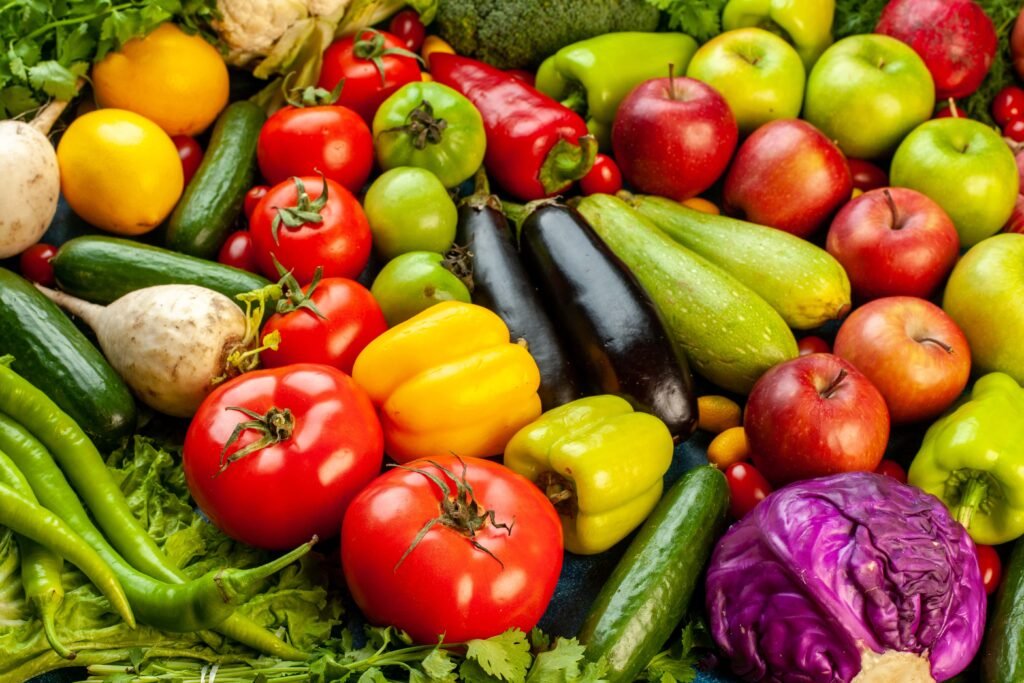
Vegetables are gut superfoods because they:
- Feed beneficial gut bacteria with soluble and insoluble fiber
- Provide antioxidants that reduce inflammation
- Contain vitamins and minerals for digestion and immunity
Top choices:
- Leafy greens: spinach, kale, swiss chard
- Cruciferous vegetables: broccoli, cauliflower, Brussels sprouts
- Root vegetables: carrots, sweet potatoes, beets
- Colorful peppers, zucchini, and tomatoes
Tip: Include at least 4–5 different vegetables daily to maximize fiber diversity and micronutrients.
2. Fruits: Nature’s Sweet Fiber Bombs
Fruits are rich in fiber, polyphenols, and antioxidants. They feed your microbiome and help maintain gut diversity.
Best gut-friendly fruits:
- Berries (blueberries, raspberries, strawberries) – high in polyphenols
- Apples and pears – contain soluble fiber (pectin)
- Bananas – prebiotic fiber that feeds beneficial bacteria
- Kiwi – aids digestion and bowel regularity
Tip: Eat fruits whole rather than juiced to preserve fiber and prevent blood sugar spikes.
3. Whole Grains: Slow-Release Fuel
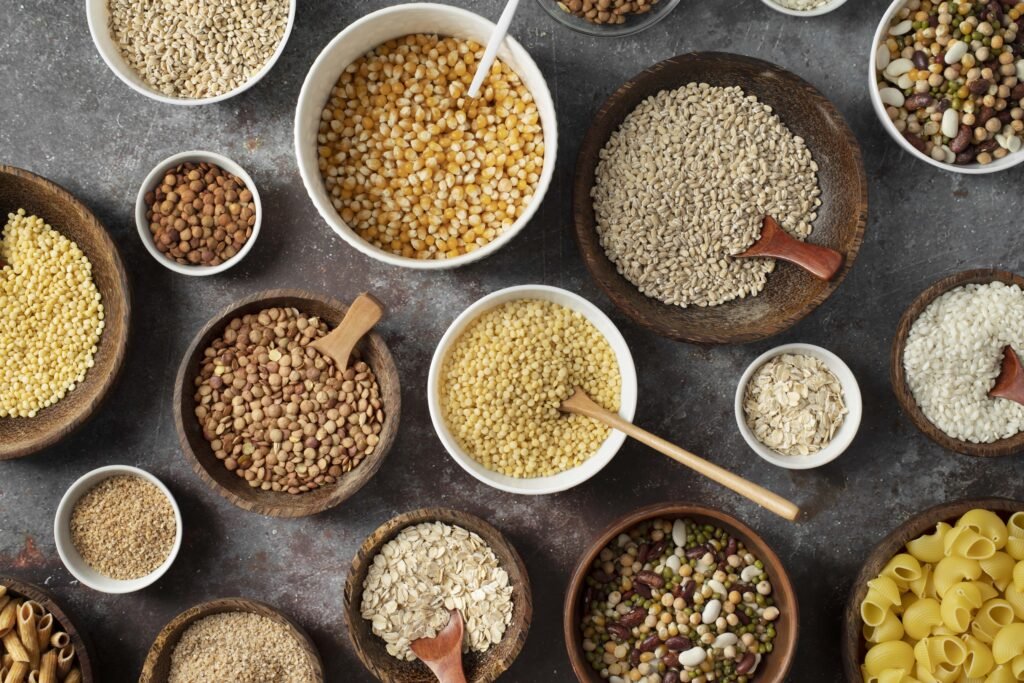
Whole grains are an excellent source of fiber, vitamins, and minerals. They support satiety, energy, and microbiome health.
Gut-friendly grains:
- Oats – high in beta-glucan, a prebiotic fiber
- Quinoa – complete protein plus fiber
- Brown rice – gentle on digestion
- Barley and buckwheat – slow-release carbohydrates
Tip: Introduce grains gradually if you have a sensitive gut to avoid bloating.
4. Legumes and Pulses: Protein + Prebiotics
Legumes are rich in fiber, protein, and prebiotics, which feed gut bacteria and support intestinal repair.
Examples:
- Lentils, chickpeas, black beans, kidney beans
- Peas and edamame
Tip: Soak beans overnight and cook them well to reduce gas and improve digestibility.
5. Fermented Foods: Probiotics in Action
Fermented foods provide live bacteria that directly colonize your gut, improving balance and reducing harmful microbes.
Gut-friendly options:
- Yogurt (unsweetened, live cultures)
- Kefir – fermented milk drink
- Sauerkraut and kimchi – fermented vegetables
- Miso and tempeh – fermented soy products
Tip: Start with small amounts if you’re new to fermented foods to avoid bloating.
Foods That Harm Gut Health
While adding whole foods is crucial, reducing or avoiding gut-disrupting foods is equally important. Certain foods can feed harmful bacteria, promote inflammation, and damage the intestinal lining, undoing the benefits of a healthy diet.
1. Ultra-Processed Foods
Ultra-processed foods are highly refined and stripped of nutrients. Examples include:
- Packaged snacks (chips, cookies, crackers)
- Sugary breakfast cereals
- Ready-to-eat meals
Why they harm the gut:
- Low in fiber → starves beneficial bacteria
- Contain additives, preservatives, and emulsifiers → can alter microbiome composition
- Often high in sugar and unhealthy fats → increase inflammation
2. Added Sugars and Sweeteners
Sugar is one of the biggest culprits in gut imbalance.
Common sources:
- Soda, candy, pastries
- Sweetened yogurt and drinks
- Artificial sweeteners like aspartame or sucralose
Effects on gut health:
- Feed harmful bacteria and yeast, causing dysbiosis
- Promote inflammation and metabolic stress
- Can contribute to bloating, gas, and mood fluctuations
3. Refined Carbohydrates
White bread, pasta, and pastries are high in refined carbs that digest quickly, spiking blood sugar and feeding harmful gut microbes.
Why it matters:
- Low fiber content → minimal support for microbiome
- Rapid sugar release → inflammation, insulin spikes
- Can worsen symptoms in people with sensitive guts or IBS
4. Excess Red and Processed Meats

While protein is important, processed meats and high-fat red meats can negatively impact the gut:
- Sausages, hot dogs, bacon, deli meats
- Large quantities of fatty cuts of beef or pork
Effects:
- Increase production of harmful gut metabolites
- Can raise inflammation in the colon
- Often high in preservatives and additives
5. Fried and High-Fat Fast Foods
Deep-fried foods, French fries, and fast-food meals:
- Contain trans fats and oxidized oils → damage gut lining
- Low in fiber → minimal microbiome support
- High in refined carbs and salt → promote inflammation
Lifestyle Strategies – Beyond Food
Healing your gut isn’t just about eating the right foods. Daily habits like sleep, stress management, hydration, movement, and mindful eating all influence digestive health and microbiome balance.
Sleep is essential. Poor sleep can disrupt gut bacteria and increase inflammation, while consistent, restorative sleep supports intestinal repair and overall digestion.
Stress management matters too. Chronic stress triggers cortisol, which slows digestion and affects gut balance. Mindfulness, meditation, yoga, or even daily nature walks help calm your nervous system and support gut health.
Hydration aids digestion by helping fiber move smoothly through the intestines, improving nutrient absorption and reducing bloating. Drinking enough water and including water-rich foods is key.
Movement improves gut motility and promotes microbial diversity. Moderate activities like walking, stretching, yoga, or light strength training can significantly support digestion and reduce inflammation.
Mindful eating enhances digestion and nutrient absorption. Eating slowly, chewing thoroughly, and paying attention to hunger cues helps your body make the most of whole foods.
Environmental awareness also matters. Limiting processed chemicals, reducing unnecessary antibiotics, and choosing minimally processed or organic foods protects your gut microbiome.
In short: Gut healing is holistic. Combining whole foods with good sleep, stress management, hydration, movement, and mindful habits creates a thriving gut and a healthier, more balanced life.
Conclusion: Nourish Your Gut, Transform Your Health
Healing your gut with whole foods is not a quick fix — it’s a lifestyle transformation. By choosing natural, unprocessed foods, supporting your microbiome with fiber, probiotics, and antioxidants, and pairing nutrition with mindful lifestyle habits, you give your gut the environment it needs to thrive.
A healthy gut doesn’t just mean smoother digestion; it translates into more energy, better immunity, balanced mood, and overall wellness. Every meal becomes an opportunity to nurture your body, and every daily habit — sleep, movement, hydration, stress management — reinforces your digestive health.
Remember, healing is gradual. Small, consistent changes compound over time, creating lasting improvements in your gut and your life. By embracing whole foods and holistic living, you’re not just feeding your body — you’re restoring balance, resilience, and vitality from the inside out.
Your gut is your foundation. Treat it with care, and it will support every aspect of your health, giving you the energy, clarity, and wellness you deserve.
Frequently Asked Questions (FAQs)
1. What is gut health, and why is it important?
Gut health refers to the balance and function of the microbes living in your digestive system. A healthy gut helps with digestion, nutrient absorption, immunity, and even mood. When your gut is out of balance, you may experience bloating, fatigue, or other digestive issues.
2. What foods should I eat to improve my gut health?
Focus on whole, fiber-rich foods like fruits, vegetables, whole grains, legumes, and nuts. Fermented foods like yogurt, kefir, sauerkraut, and kimchi introduce beneficial bacteria. Prebiotic foods like garlic, onions, and bananas help feed these good bacteria, supporting a balanced and thriving microbiome.
3.What are the signs of poor gut health?
Signs include bloating, gas, constipation, diarrhea, fatigue, skin problems, and mood swings. If you notice persistent digestive issues, it may indicate that your gut microbiome needs support.
4. How can I improve my digestion naturally?
Eat slowly and chew your food thoroughly, stay hydrated, and include plenty of fiber-rich foods. Avoid processed and sugary foods, which can disrupt gut bacteria. Incorporating fermented foods and mindful eating habits also helps improve digestion naturally.
5. Should I take probiotic supplements?
Probiotic supplements can be helpful, especially after antibiotics, but the best way to support your gut is through fermented whole foods. They provide a variety of beneficial bacteria and nutrients that work together to promote gut health.
6. Can stress affect my gut health?
Yes, chronic stress can disrupt digestion and harm the balance of your gut microbiome. Stress management techniques like meditation, yoga, gentle exercise, and deep breathing can help protect your gut.
7. How much fiber should I consume daily for a healthy gut?
Aim for 25–38 grams of fiber per day, depending on age and gender. Fiber from fruits, vegetables, legumes, and whole grains feeds beneficial gut bacteria, supports regular bowel movements, and improves overall digestion.