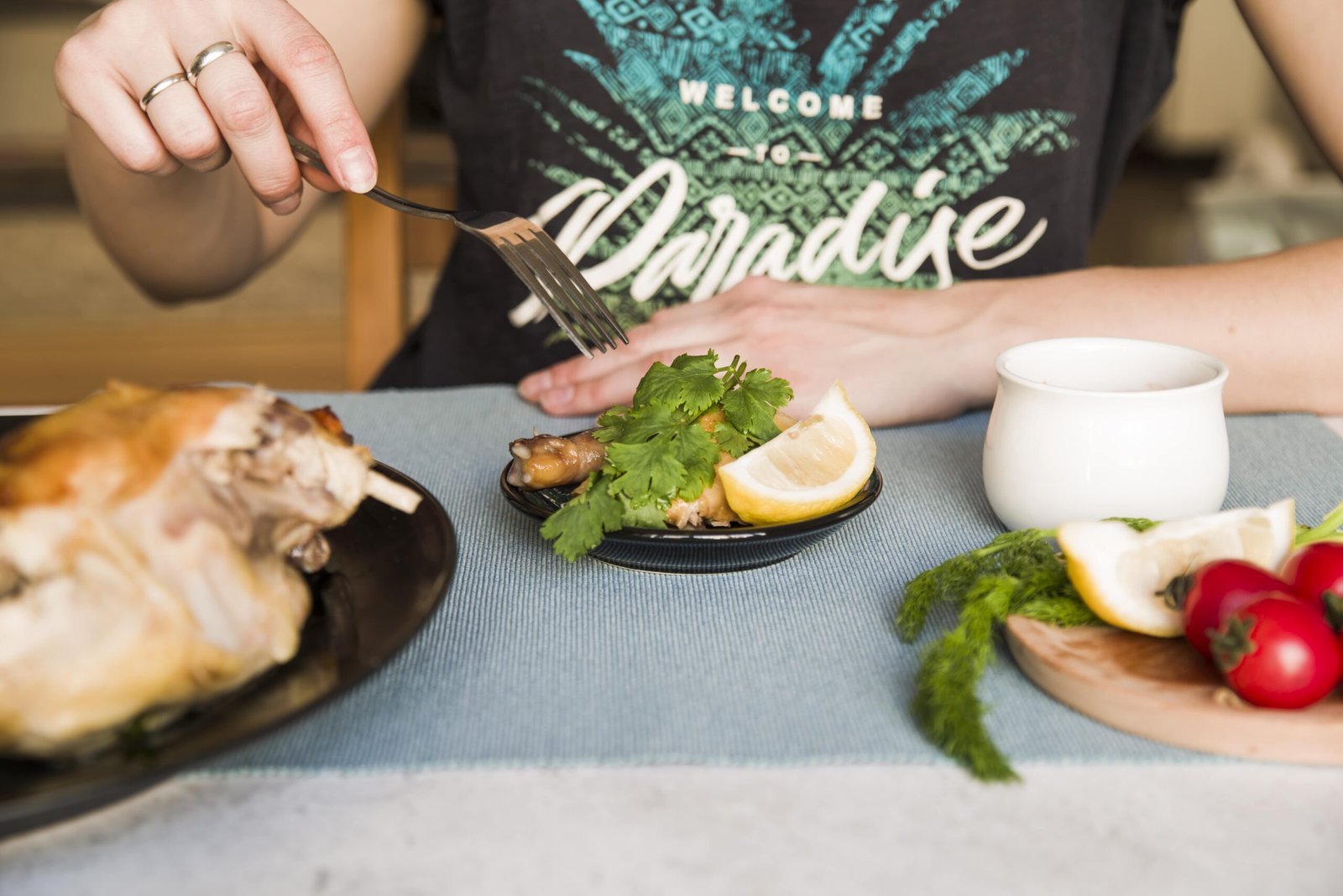
If you’ve ever looked at your empty plate wondering, “Wait… did I actually taste my food?”, you’re not alone. In today’s fast-driven world, eating feels like another task to “check off” instead of a moment to nourish, pause, and reconnect with your body.
Learning how to slow down your meals is one of the simplest, most powerful habits for better digestion, improved weight management, and a calmer relationship with food. And the best part? You don’t need complicated rules, expensive gadgets, or strict diets. Just patience, awareness, and a few science-backed slow-eating techniques.
Let’s explore how slowing your eating pace can transform your health—and exactly how to start today.
Table of Contents
The Role of Chewing in Digestive Health
Chewing is the very first step in digestion — yet the step most often rushed.
Science of Chewing (Mastication)
When you chew:
- Salivary enzymes like amylase and lipase begin breaking down starches and fats.
- Food becomes easier for your stomach to process.
- Your digestive tract absorbs nutrients more efficiently.
Chewing thoroughly helps improve digestion naturally and reduce issues like:
- Gas
- Bloating
- Acid reflux
- Indigestion
In short: your stomach doesn’t have teeth — that’s your job.
Why Slowing Down Your Meals Matters — The Science Behind It

Most people eat faster than their digestive system can keep up. Your brain needs 20–30 minutes to receive signals from digestive hormones like leptin, ghrelin, CCK, and peptide YY that tell you you’re satisfied. If you finish a meal in under 10 minutes, you override these signals—leading to overeating without even realizing it.
Science-Backed Benefits of Eating Slowly
- Better digestion: Slow eating helps your stomach break down food efficiently, reducing bloating and reflux.
- Natural appetite control: Eating slower activates satiety hormones, helping you feel full with less food.
- Improved weight management: People who eat slowly consume fewer calories without deprivation.
- Enhanced nutrient absorption: Chewing more thoroughly helps your body extract more vitamins and minerals.
- Lower stress levels: Slower meals trigger the parasympathetic nervous system (“rest and digest”).
In short: your body was designed for slow meals—not fast-food speed.
The Psychology Behind Fast Eating — Why We Rush Our Meals
Many people assume they eat fast simply because they’re hungry. But scientifically, the root often lies much deeper.
Common Psychological Triggers That Speed Up Eating Pace
- Stress and cortisol spikes
High stress hormones activate “fight-or-flight” mode, causing you to eat quickly as if preparing for danger. - Childhood conditioning
Many of us grew up hearing:
“Finish your plate”, “Don’t waste food,” or “Eat quickly before it gets cold.”
These messages imprint a lifetime of fast eating habits. - Busy lifestyle patterns
Eating on the go trains the brain to see food as a task, not an experience.
Understanding these triggers helps you build sustainable mindful eating habits rather than temporary fixes.
My Personal Journey With Eating More Slowly
Years ago, I was a champion speed eater. Not the professional kind—but the “I have 5 minutes between tasks” kind. I rushed meals, barely chewed, and wondered why I felt bloated, tired, and constantly hungry.
Everything changed the day a nutrition coach asked me:
“What if your meal wasn’t the problem—your pace was?”
That comment hit me like a truck.
I began practicing simple mindful eating habits, and within weeks, I felt full on less food, had better digestion, and felt calmer during meals. What shocked me most? Food tasted better when I finally slowed down long enough to enjoy it.
Now, I’m sharing the same practical steps that worked for me—so you can slow your eating pace easily and naturally.
How to Slow Down Your Meals (Simple Techniques)
1. Start With a Deep Breath Before Eating
This one change alone can shift your whole eating experience.
A slow breath activates your parasympathetic nervous system, which:
- Relaxes your gut
- Improves digestive enzyme release
- Helps you taste your food more fully
2. Put Your Fork Down Between Bites

It sounds simple, but it’s life-changing.
Placing your fork down forces a natural pause, helping you:
- Chew more thoroughly
- Taste flavors fully
- Check in with your hunger level
This is one of the best slow eating techniques for beginners
3. Try the “5-Chew Rule” (Then Build Up)
Don’t jump to chewing 30 times per bite—it feels unnatural.
Start small:
- Chew every bite 5 seconds longer
- Notice texture
- Notice temperature
- Notice flavor layers
This trains your brain to eat slower without feeling forced.
4. Use Smaller Utensils or Smaller Portions
A strange but effective trick:
Smaller forks = slower bites.
This reduces pace naturally and supports:
- Portion awareness
- Better satiety
- Healthier weight-loss eating habits
5. Eat Without Screens or Distractions
Eating while scrolling or watching TV is one of the biggest reasons we eat too fast.
When your brain is distracted:
- You chew less
- You swallow quicker
- You rely on habit, not hunger cues
Try one screen-free meal per day. Feel the difference.
6. Sip Water Frequently
A few water sips throughout the meal help naturally slow your pace.
Plus, staying hydrated while eating:
- Supports digestion
- Reduces overeating
- Helps nutrient absorption
7. Listen to Your “Hunger Dialogue”
Your body is always talking—it just whispers when you eat fast.
Pause and ask:
- “Am I actually hungry?”
- “Am I becoming satisfied?”
- “Is this bite still enjoyable?”
These questions help align your mindful eating habits with your natural hunger signals.
8. Practice the “Halfway Pause” Method
Halfway through your meal:
- Put your utensils down
- Take a sip of water
- Ask yourself how you feel
This is a powerful tool for portion control and mindful meals.
9. Choose Foods That Naturally Slow You Down
Some foods naturally require more chewing:
- Vegetables
- Whole fruits
- Nuts and seeds
- Whole grains
- Legumes
This boosts satiety and digestive support.
10. Set a Meal Timer (But Not for Rushing)
Aim for meals that last:
- 15–20 minutes for smaller meals
- 25–30 minutes for larger meals
This aligns perfectly with your body’s appetite signals.
How Eating Slowly Supports Natural Weight Loss
When people think of weight loss, they imagine cutting calories or intense workouts. But few realize that slow eating alone can reduce daily calorie intake by 10–20% without restriction.
Why Slow Eating Helps With Weight Loss
- Your satiety hormones catch up
Hormones like CCK, GLP-1, and PYY increase when you slow down, signaling fullness earlier. - You become more in tune with hunger cues
Fast eaters often confuse fullness with habit, emotion, or boredom. - You naturally reduce portion sizes
Eating slower makes you satisfied earlier, helping you stop before overeating.
This makes slow eating one of the easiest weight-loss eating habits for long-term results.
Creating a Calm Eating Environment
Your environment has a powerful influence on how fast you eat—often more than your intentions or willpower. A rushed, noisy, or chaotic space sends subconscious signals to your brain to speed up your eating pace. In contrast, a peaceful, organized environment naturally encourages mindful meals, slower chewing, better digestion, and deeper satisfaction. Creating a calm eating space doesn’t require fancy home décor—it’s about shaping an atmosphere that allows your body to shift into “rest and digest” mode.
Why Your Environment Matters
The brain is highly responsive to external cues. Bright lights, loud sounds, clutter, or screens compete for your attention, pushing you out of mindfulness. When your brain is overstimulated:
- You chew less
- You swallow faster
- You feel less satisfied
- You disconnect from your hunger cues
A calm environment helps regulate breathing, lowers cortisol, and supports natural appetite control—all essential for slow eating.
Simple Ways to Transform Your Eating Space
1. Clear Your Table Before You Eat
Clutter increases stress hormones and distracts your mind. A clean table creates an instant sense of calm and tells your brain, “This moment is for me.”
Even clearing just a small section gives your mind space to slow down.
2. Adjust Your Lighting
Soft, warm lighting signals your nervous system to relax. Dim lights or a warm lamp mimic the comforting atmosphere of a café or a dinner setting, encouraging you to slow your pace.
Bright, harsh lights can make meals feel rushed—almost like you’re eating in a cafeteria.
3. Add Soothing Sounds
Gentle background music—instrumentals, soft jazz, acoustic guitar, nature sounds—can slow your breathing and eating rhythm. There’s a reason restaurants use slower music during dinner hours: it naturally encourages slower bites.
Avoid fast-paced music, which can accidentally speed up your eating pace.
4. Put Your Phone Away
Scrolling while eating leads to “distracted chewing,” one of the biggest enemies of mindful eating. It weakens your ability to notice flavors, textures, or fullness signals.
Try keeping your phone in another room for just the duration of your meal. You’ll be surprised by how much calmer eating becomes.
5. Use Plates and Utensils You Enjoy
Humans respond emotionally to aesthetics. A plate you love, a bowl with your favorite color, or a fork that feels good in your hand can elevate your eating experience.
This enhances the sensory experience, encouraging you to savor instead of rush.
The Science Behind a Calm Eating Space
A relaxed environment activates the parasympathetic nervous system, also known as the “rest and digest” system. When activated:
- Your gut receives more blood flow
- Digestive enzymes increase
- Your metabolism works more efficiently
- You feel full with less food
- Your body absorbs nutrients better
A calm space isn’t just aesthetic—it’s physiological.
Common Mistakes People Make When Trying to Eat Slowly
Many people try slow eating once, fail, and assume it doesn’t work. Usually, they make one of these mistakes:
Typical Errors
- Forcing yourself to chew 30 times
- Watching TV or scrolling during meals
- Eating while stressed
- Eating too long after a hunger peak
- Treating slow eating as a “diet” instead of a habit
Correct these, and slow eating becomes easy and natural.
How to Eat Slower Even When Eating with Others
It’s harder to slow down when everyone else eats fast. Use these strategies:
- Match your pace to the slowest eater at the table.
- Take small bites so one bite lasts longer.
- Stay involved in conversation; talking slows your pace organically.
- Choose foods that naturally require more chewing.
With these tips, you can maintain your mindful eating habits anywhere.
Slow Eating for Emotional Eaters
If you eat quickly when stressed or overwhelmed, slow eating can be a healing tool.
How Slow Eating Helps Emotional Eating
- Creates space between emotion and action
- Helps identify if hunger is physical or emotional
- Reduces impulsive overeating
- Calms the nervous system
Pairing slow eating with deep breathing turns meals into a grounding ritual.
Conclusion: Slow Eating Is the Simplest Gift You Can Give Your Body
Learning to slow down your meals isn’t a diet, a rule, or another wellness trend—it’s a profound act of self-care. In a world that pushes you to rush, hustle, and multitask through every moment, choosing to eat slowly is a quiet rebellion. It’s a way of telling your body, “You matter. Your hunger, your fullness, your health, and your peace matter.”
When you slow your eating pace, you reconnect with the natural wisdom your body has always had. You digest better, you feel more satisfied, you enjoy your food more deeply, and you become more in tune with your true hunger signals. These small, mindful shifts ripple into better energy, better mood, better weight balance, and a calmer relationship with food.
You don’t need perfection. You don’t need complex rules. All you need is a willingness to pause, breathe, taste, and honor each bite.
Start with one slow breath before your next meal. One mindful chew. One moment of presence. These tiny actions build a habit that transforms not just how you eat—but how you live.
Slow down, savor more, and let your meals become a daily ritual of nourishment, gratitude, and self-respect. Your body will thank you in every way.
Frequently Asked Questions (FAQs)
Why do I eat so fast without noticing?
Most people eat quickly because of stress, distractions, or lifelong habits like rushing through meals. When your mind is busy or overstimulated, your brain shifts into automatic behavior, causing you to chew and swallow faster without awareness.
How long should a slow, mindful meal take?
A slow meal typically lasts around 15–30 minutes. This timeframe allows your satiety hormones to activate, helping you feel naturally full with less food.
Can eating slowly really help with weight loss?
Yes. Slow eating supports natural weight loss by boosting fullness signals, reducing overeating, improving digestion, and helping your body recognize true hunger. You often consume fewer calories without trying.
Does chewing more times actually improve digestion?
Absolutely. Thorough chewing breaks food down better, activates saliva enzymes, reduces bloating, and takes pressure off your stomach. This leads to smoother, more efficient digestion.
How can I slow down when I’m extremely hungry?
Have a small pre-meal snack—like fruit, nuts, or yogurt—20 minutes before your main meal. It stabilizes hunger so you don’t rush. Taking a slow breath and sipping water before your first bite also reduces urgency.
What foods naturally help me eat slower?
Foods that require more chewing—such as raw vegetables, fruits, nuts, seeds, whole grains, and lean proteins—naturally slow your pace and increase satisfaction.
How do I avoid eating fast when I’m out with friends or in a restaurant?
Focus on conversation, take smaller bites, sip water between bites, and observe the pace of the slowest eater at the table. Social interaction naturally encourages slower eating.
Can slow eating reduce bloating and stomach discomfort?
Yes. Eating too fast leads to swallowing excess air and under-chewing food, both of which cause bloating. Slower eating reduces air intake and supports better digestion.
Why do I still feel hungry even when I try to eat slowly?
You may need more nutrient-dense foods. Increase your intake of protein, healthy fats, and fiber-rich foods to support long-lasting fullness and stabilize hunger hormones.
Does removing distractions actually make a difference?
Yes. Eating without screens, noise, or multitasking helps you taste your food more, chew thoroughly, and recognize when you’re full. Eliminating distractions is one of the most effective ways to slow your eating naturally.