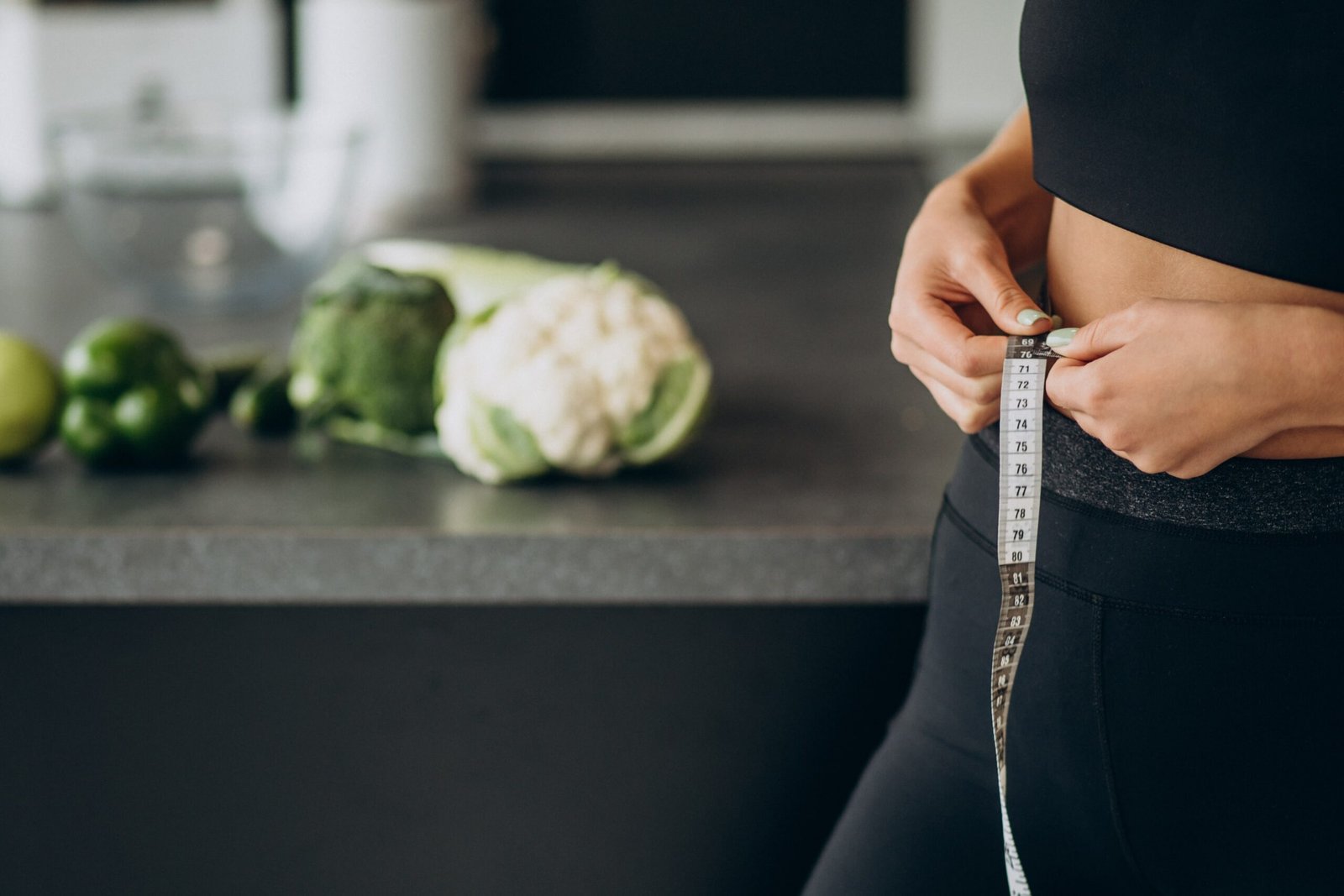
Ever feel like you’re forced to choose between fixing your gut and dropping pounds—as if you can’t do both at the same time? You’re not alone. So many of us go down the rabbit hole of health advice, trying keto for fat loss, then bone broth for gut healing, only to feel tired, bloated, and confused. But here’s the truth no one tells you: your gut and your weight are deeply connected. Fixing one helps the other.
In this post, we’re diving into the science and strategy behind gut healing and weight loss. You’ll discover whether it’s possible to heal your gut and lose weight at the same time, and how to do both without sacrificing your sanity (or your favorite foods). Spoiler: it’s 100% possible.
We’ll walk through practical gut-healing tips, the best foods for both weight loss and gut repair, and even share a week-long meal plan to get you started. Plus, we’ll address common pitfalls, answer FAQs, and share a powerful real-life story that proves it can be done. Ready to make peace with your gut and feel confident in your body again? Let’s dive in and get started on your journey.
Table of Contents
Why Gut Healing Matters

Your gut isn’t just a food processing unit—it’s mission control for your whole body. It impacts your energy, mood, immune system, skin, and yes—your weight. When your gut is inflamed, imbalanced, or “leaky,” your body goes into defense mode. Nutrients aren’t absorbed properly, your metabolism slows down, and inflammation rises—all of which make losing weight harder than it needs to be.
Think of your gut lining like a finely woven net. When it’s strong, it lets in nutrients and keeps out toxins. But with stress, antibiotics, sugar, processed foods, or alcohol, that lining can become damaged—what’s often called “leaky gut.” This leads to digestive distress, brain fog, fatigue, and stubborn fat.
Gut healing involves removing irritants and feeding your microbiome with fiber-rich veggies, prebiotics, probiotics, fermented foods, and nutrient-dense meals. When you focus on your gut, the rest of your body responds with more energy, clearer skin, better mood—and yes, easier weight loss.
Why Weight Loss Matters

Let’s be honest—feeling comfortable in your body matters. Weight loss isn’t just about looking good; it’s about feeling strong, energized, and in control. But most diets focus on calories, not how your body processes those calories. That’s where gut health comes in.
An unhealthy gut can increase cravings (especially sugar), disrupt blood sugar levels, and mess with hunger hormones like leptin and ghrelin. So even if you’re eating “healthy,” your body might be stuck in fat-storing mode because your gut is inflamed or imbalanced.
Sustainable weight loss starts with fixing the root cause: inflammation, hormonal imbalance, poor digestion. When you work with your body—instead of starving it or stressing it out—you lose weight more easily and keep it off longer.
Here’s the kicker: you don’t have to pick one goal over the other. When you eat and live in a way that supports your gut, you’re automatically setting up your body for fat loss too. Think fewer cravings, better blood sugar, improved metabolism, and less bloating.
Stay tuned—we’re about to connect all the dots so you can get real results.
Gut Healing and Weight Loss: Understanding the Connection

Here’s where it all clicks: your gut health isn’t separate from your weight—it controls it. Your microbiome (the trillions of bacteria in your digestive tract) influence everything from digestion and metabolism to inflammation and fat storage.
Certain bacteria are associated with leanness; others with obesity. When your microbiome is balanced, it helps break down fiber into short-chain fatty acids, which reduce inflammation and boost insulin sensitivity. This creates a healthy environment for weight loss.
But when bad bacteria take over—often due to poor diet, stress, antibiotics, or lack of sleep—your gut becomes inflamed. This affects your ability to process food properly, absorb nutrients, regulate hormones, and burn fat. It’s not about willpower; it’s biology.
That’s why people who focus on gut healing often experience weight loss without trying. Reduced bloating, stabilized blood sugar, and fewer cravings come naturally when your gut is healthy.
Can You Heal Your Gut and Lose Weight Simultaneously?
Short answer? Absolutely. In fact, it’s often easier to lose weight when your gut is healthy.
The myth that you must choose between gut health and weight loss is based on outdated ideas. Many people believe gut-healing foods are too calorie-dense or that weight-loss diets are too restrictive. But the right plan can do both.
You can combine anti-inflammatory, nutrient-dense foods that promote gut repair with strategies that support fat burning. The key is balance: include healthy fats, clean protein, resistant starches (like green bananas and cooked-and-cooled potatoes), and fermented foods. Avoid sugar, alcohol, processed grains, and seed oils.
Supporting your gut with targeted probiotics, prebiotics, and mindful eating (chewing thoroughly, managing stress) boosts digestion and nutrient absorption. Add in gentle movement like walking, yoga, or resistance training—and you’ll start seeing changes in your energy, digestion, and weight.
Dual Strategy: Gut-Healing & Fat-Burning in Sync
Here’s how to approach both goals at once without burning out:
- Start with whole foods. Think leafy greens, healthy fats (like avocado and olive oil), wild-caught fish, and bone broth. These nourish your gut lining and provide nutrients for fat metabolism.
- Cut the gut saboteurs. Say goodbye to refined sugar, seed oils, alcohol, gluten (if sensitive), and ultra-processed foods. These are inflammatory, feed bad bacteria, and derail fat loss.
- Use time-restricted eating. Intermittent fasting (like 12:12 or 16:8) gives your digestive system time to rest and helps rebalance gut bacteria while supporting fat burning.
- Eat for your microbiome. Include fermented foods (like sauerkraut, kimchi, kefir), prebiotic-rich veggies (onions, garlic, asparagus), and polyphenol-rich foods (berries, green tea, dark chocolate).
- Move daily, but gently. Walking, Pilates, yoga, and strength training support digestion and metabolism without the cortisol spike of intense cardio.
- Sleep and stress management. Sleep heals your gut lining and balances hunger hormones. Prioritize 7-9 hours of good sleep, and try meditation or journaling to calm your nervous system.
- Stay hydrated. Aim for half your body weight in ounces of filtered water daily. Add sea salt or electrolytes to support mineral balance.
These small changes stack up fast. The more you support your gut, the more effortlessly your body sheds extra weight.
7-Day Gut Healing + Fat Loss Meal Plan

Day 1:
- Breakfast: Scrambled pasture-raised eggs with spinach and avocado
- Lunch: Grilled chicken salad with olive oil & apple cider vinegar
- Dinner: Wild salmon, roasted Brussels sprouts, and cauliflower mash
- Snack: Kefir smoothie with blueberries and chia seeds
Day 2:
- Breakfast: Chia pudding with coconut milk, cinnamon, and raspberries
- Lunch: Turkey lettuce wraps with hummus, cucumber, and carrots
- Dinner: Zucchini noodles with grass-fed beef bolognese
- Snack: Bone broth with sea salt
Day 3:
- Breakfast: Green smoothie with spinach, protein, banana, and flaxseed
- Lunch: Quinoa bowl with grilled veggies and tahini dressing
- Dinner: Baked cod with asparagus and sweet potato wedges
- Snack: Coconut yogurt with pumpkin seeds
Day 4:
- Breakfast: Omelet with mushrooms, onions, and arugula
- Lunch: Sardine salad with olive oil, lemon, and mixed greens
- Dinner: Chicken stir-fry with broccoli, garlic, and coconut aminos
- Snack: Fermented pickles or kombucha
Day 5:
- Breakfast: Overnight oats with almond milk, walnuts, and berries
- Lunch: Grass-fed burger (lettuce wrap) with avocado and sauerkraut
- Dinner: Roasted turkey breast, green beans, and mashed parsnips
- Snack: Apple slices with almond butter
Day 6:
- Breakfast: Greek yogurt with flax, cinnamon, and honey
- Lunch: Lentil soup with kale and lemon
- Dinner: Grilled shrimp skewers with bell peppers and brown rice
- Snack: Handful of olives and boiled egg
Day 7:
- Breakfast: Protein pancakes with almond butter and blueberries
- Lunch: Tuna-stuffed avocado with cucumber slices
- Dinner: Slow-cooked beef stew with root veggies
- Snack: Herbal tea and 90% dark chocolate
Common Pitfalls to Avoid
- Over-focusing on calories: Eating 1200 calories a day of low-fat crackers won’t help your gut—or your metabolism.
- Ignoring stress: Chronic stress wrecks your gut lining and signals your body to store fat. Prioritize nervous system healing as much as nutrition.
- Overtraining: HIIT every day increases cortisol and damages the gut. Gentle, consistent movement is more effective.
- Under-eating fat: Healthy fats feed your cells and your brain—and help you burn fat. Don’t fear avocado, coconut oil, or nuts.
- Not personalizing your plan: Pay attention to what your body responds to. One person’s superfood might be another’s trigger.
Real Success Story: How Sarah Did Both
Sarah, a 38-year-old teacher, came to the gut-health journey feeling defeated. She had tried every diet under the sun but couldn’t shake the 25 pounds she gained during a stressful year. She also struggled with bloating, fatigue, and mood swings.
Instead of jumping to another diet, she focused on gut healing: removing processed foods, adding bone broth, fermented veggies, and walking daily. She ditched calorie counting and focused on how her body felt.
Within 4 weeks, her digestion improved, her skin cleared, and she dropped 6 pounds—without feeling restricted. After 3 months, she had lost 18 pounds, had more energy than ever, and most importantly, she said, “I finally feel like my body and I are on the same team.”
Final Thoughts: You’re Not Broken
If you’ve felt stuck, bloated, and out of sync with your body, you’re not alone—and you’re not broken. You just haven’t been given the right roadmap yet.
Gut healing and weight loss don’t have to be two separate paths. When you nourish your gut, support your microbiome, and give your body the foods and rest it craves, change becomes inevitable.
You deserve to feel good in your skin. You deserve to have energy, confidence, and freedom from food fear. And you don’t need to choose between healing and thriving. You can absolutely do both.
Start small. Be patient. And trust that your body knows how to heal—when you finally give it what it needs.
FAQs
Q: Can I eat carbs while healing my gut?
Yes! Focus on complex, resistant starches like green bananas, oats, sweet potatoes, and legumes.
Q: How long does gut healing take?
It varies. Some people feel better in a week, others take months depending on damage. Stay consistent.
Q: Should I take probiotics?
Yes, but focus on food-based ones like kefir and sauerkraut first. Supplements can help but aren’t magic pills.
Q: Can intermittent fasting hurt my gut?
If done gently (12:12 or 16:8), it can support gut health. Overdoing it or combining it with under-eating can backfire.
Q: Can I lose belly fat just by healing my gut?
Yes! Many people notice a flatter stomach and reduced bloating as their gut lining heals and inflammation goes down. A healthier gut leads to better digestion, less water retention, and improved fat-burning—especially around the midsection.
Q: What are the best drinks for gut health and weight loss?
Bone broth, green tea, lemon water, kombucha (low-sugar), and herbal teas like ginger or peppermint are excellent. Avoid sugary drinks and artificial sweeteners—they harm gut bacteria and sabotage fat loss.
Q: Are gluten and dairy bad for gut healing?
They can be for some people, especially if you have sensitivities or autoimmune issues. Try eliminating them for 2–4 weeks and reintroduce slowly to see how your body responds.
Q: Is bloating normal while healing your gut?
Some temporary bloating is normal as your microbiome shifts. But persistent bloating could indicate food sensitivities, SIBO, or imbalances—track symptoms and consider professional guidance.
Q: How do I know if my gut is healed?
Look for signs like regular digestion, no bloating, stable mood, fewer cravings, improved skin, and consistent energy. Healing is gradual and varies from person to person.