
Introduction
We’ve all been there — that uncomfortable feeling when your belly feels tight, swollen, and heavy, even if you didn’t overeat. Bloating isn’t just annoying; it can affect how you feel, move, and even how your clothes fit. For many people, the root cause lies in what they eat. Certain foods can trap gas, slow digestion, or irritate the gut, leading to that dreaded puffed-up sensation.
What’s interesting is that bloating affects people differently. Some might experience it occasionally after a large meal, while others deal with it daily. The good news? Once you understand what’s happening inside your body — and which foods are responsible — you can take control and start feeling lighter and more comfortable.
In this post, we’ll explore the science of bloating, uncover common and surprising foods that cause bloating, and share real-life strategies to prevent it naturally.
Table of Contents
What Is Bloating? Understanding the Science Behind That Swollen Feeling
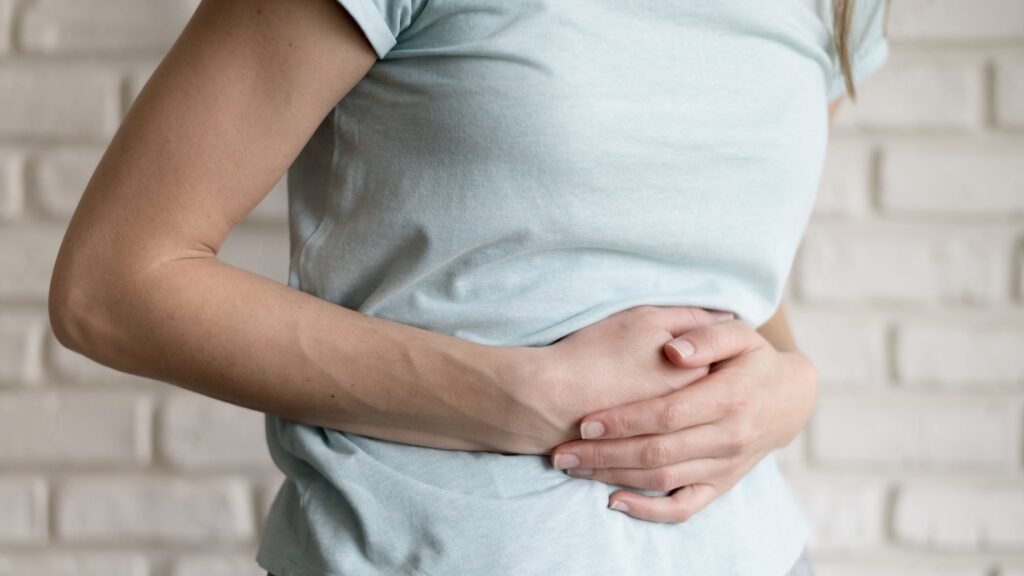
Bloating happens when the digestive system fills with air or gas, causing your stomach to feel stretched, tight, and sometimes painful. Medically, bloating is considered a symptom — not a disease — and it’s incredibly common worldwide.
Here’s what’s really going on:
- Gas build-up: As food breaks down, natural gases like carbon dioxide, methane, and hydrogen are released. When they aren’t expelled efficiently, they accumulate in the intestines.
- Water retention: Certain foods (especially salty or high-carb ones) make your body hold on to water, creating a “puffy” feeling.
- Digestive slowdown: When digestion is sluggish, food stays longer in your gut, leading to fermentation and gas.
Bloating can also come with other sensations — burping, abdominal pressure, or a visibly distended belly. It might feel like weight gain, but it’s really trapped air or fluid retention.
Why Does Bloating Happen? The Real Causes Behind a Bloated Stomach
Several factors can cause bloating, and they often overlap. Some are related to diet, while others are linked to digestion, gut bacteria, or hormones. Let’s look at the key culprits:
1. Overeating or Eating Too Fast
When you eat too quickly or consume large portions, your stomach stretches beyond its comfort zone. This traps excess air, leading to bloating and discomfort. Chewing thoroughly and eating mindfully helps your digestive enzymes do their job efficiently.
Every time you chew gum, drink carbonated beverages, or talk while eating, you swallow small amounts of air. That air eventually ends up in your digestive tract, causing gas buildup.
3. Gut Microbiome Imbalance
Your gut is home to trillions of bacteria that help digest food. When this microbial balance is disrupted — for example, by antibiotics, processed foods, or stress — it can lead to excess gas and bloating.
4. Food Sensitivities
Lactose (in dairy), fructose (in fruits), and gluten (in wheat) are common irritants. For some people, even “healthy” foods can trigger bloating if their body struggles to digest specific compounds.
5. Hormonal Fluctuations
For women, hormonal changes during the menstrual cycle can cause bloating due to water retention and slowed digestion. Estrogen and progesterone both influence how the gut processes food.
6. Medical Conditions
Sometimes, bloating can be a symptom of conditions like IBS (Irritable Bowel Syndrome), celiac disease, or SIBO (Small Intestinal Bacterial Overgrowth). Persistent bloating that doesn’t improve with diet changes deserves medical attention.
Top Foods That Cause Bloating (and Why)
Bloating isn’t random — it’s your digestive system reacting to specific compounds in certain foods. Some trigger excess gas production, while others slow down digestion or retain water. Below are the most common foods that cause bloating, explained through both scientific insight and real-life experience.
1. High-FODMAP Foods
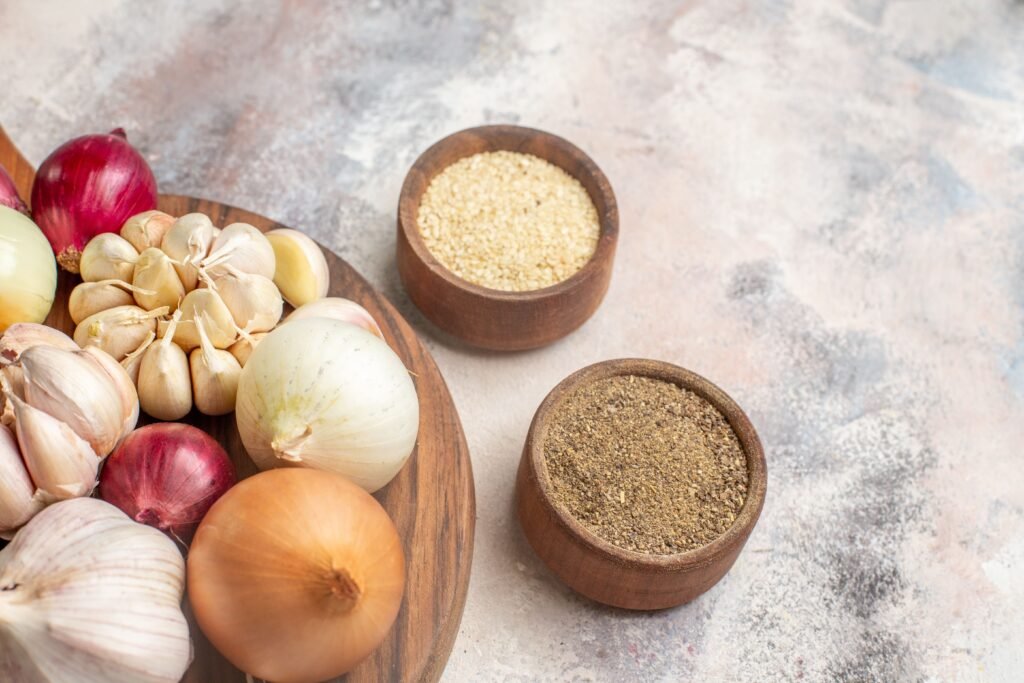
Let’s start with one of the biggest culprits — FODMAPs.
These are fermentable short-chain carbohydrates found in a wide range of everyday foods.
FODMAP stands for:
- Fermentable
- Oligosaccharides (found in wheat, onions, garlic)
- Disaccharides (like lactose in milk)
- Monosaccharides (like fructose in honey, apples)
- And Polyols (sugar alcohols found in some fruits and artificial sweeteners)
When you eat high-FODMAP foods, they travel through your intestines undigested and are fermented by gut bacteria — producing hydrogen and methane gas, which leads to bloating.
Common high-FODMAP foods include:
- Wheat, rye, and barley
- Garlic and onions
- Apples, pears, and watermelon
- Beans and lentils
- Artificial sweeteners (like sorbitol or xylitol)
2. Dairy Products (Lactose Intolerance)
If you feel bloated, gassy, or have stomach cramps after milk, cheese, or ice cream — lactose intolerance might be the cause.
Lactose is a natural sugar found in milk. Some people lack enough lactase, the enzyme that breaks it down in the gut. The undigested lactose ferments in the intestines, producing gas and water retention — leading to that uncomfortable swollen feeling.
Common bloating-triggering dairy foods:
- Whole milk and cream
- Soft cheeses (like brie and ricotta)
- Ice cream
- Flavoured yogurt (especially with added sugar)
Better alternatives:
- Lactose-free milk
- Almond, soy, or oat milk
- Hard cheeses (cheddar, Swiss) — lower in lactose
3. Legumes (Beans, Lentils, Chickpeas, and Peas)
Legumes are nutrient-dense and rich in fiber, but they’re also packed with oligosaccharides — a type of FODMAP your gut bacteria love to ferment.
This fermentation process releases gases like methane, hydrogen, and carbon dioxide — hence the classic “beans make you gassy” reputation.
If you love beans but hate bloating:
- Soak dried beans overnight before cooking to remove some gas-forming sugars.
- Try smaller portions or switch to lentils (they tend to cause less gas).
- Add digestive herbs like cumin, ginger, or asafoetida to your recipes — they help reduce bloating naturally.
4. Cruciferous Vegetables (Broccoli, Cabbage, Kale, Brussels Sprouts)
These vegetables are packed with antioxidants and fiber — amazing for health, but challenging for digestion.
Cruciferous veggies contain raffinose, another fermentable sugar, and sulfur compounds, which cause strong-smelling gas and bloating.
To reduce bloating:
- Steam or sauté these vegetables instead of eating them raw — cooking breaks down tough fibers.
- Start with small portions and gradually increase intake to let your gut adapt.
- Combine them with carminative spices like turmeric, cumin, or fennel to support smoother digestion.
5. Processed Foods and Sodium-Heavy Snacks
Processed foods — from chips and instant noodles to packaged soups — are loaded with sodium, preservatives, and refined carbs. These cause water retention and gut inflammation, making you feel bloated and sluggish.
Why it happens: Sodium draws water into your tissues, and processed carbs spike blood sugar, causing insulin-related water storage. The combination leads to a puffy stomach and bloated face.
Bloating-prone processed foods include:
- Fast food burgers and fries
- Deli meats and sausages
- Instant noodles
- Packaged sauces and soups
Smart swaps:
- Choose whole, fresh foods whenever possible
- Season with herbs and lemon instead of salt
- Drink plenty of water to flush out excess sodium
6. Carbonated Drinks and Beer
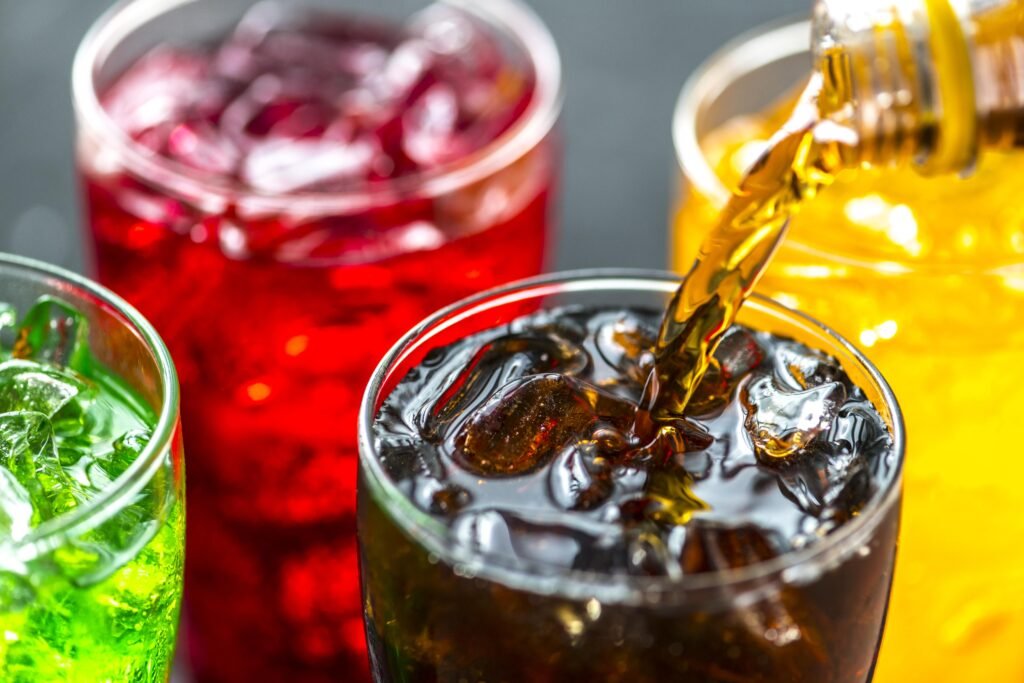
It’s simple but often overlooked — carbonated beverages (like soda, sparkling water, and beer) literally add gas to your digestive system.
Each bubble of carbon dioxide you swallow has to go somewhere — and most of it ends up in your stomach and intestines.
Beer adds another bloating factor: fermented yeast and carbohydrates, which can increase gas and inflammation.
Bloating-free alternatives:
- Still water with lemon or cucumber
- Herbal teas (peppermint, ginger, chamomile)
- Kombucha (in moderation — it’s still fizzy but has probiotics that may help)
🍺 Personal Note: Switching from beer to a small glass of red wine at social gatherings made a massive difference in how flat my stomach felt the next morning.
7. Artificial Sweeteners (Sugar Alcohols)
Many “sugar-free” foods — including protein bars, gum, and diet drinks — contain sugar alcohols like sorbitol, xylitol, or erythritol.
Your body can’t fully digest these sweeteners, so they ferment in your intestines and cause gas, diarrhea, and bloating.
Avoid or limit:
- Sugar-free gum and candies
- “Low-carb” protein bars
- Diet sodas
Natural alternatives:
- Raw honey (in moderation)
- Stevia or monk fruit extract — easier on digestion
8. Certain Fruits: Apples, Pears, Watermelon, Mangoes
Fruits are healthy, but some are high in fructose, a natural sugar that’s hard to digest for some people.
When fructose isn’t absorbed properly, it ferments in the intestines, creating gas. Apples and pears also contain sorbitol, which doubles the bloating effect.
Better fruit choices for sensitive stomachs:
- Bananas
- Berries
- Citrus fruits
- Papaya (contains digestive enzymes that reduce bloating!)
🍎 Pro Tip: If you love apples, try baking them. Cooking breaks down some of the fibers and sugars that cause discomfort.
9. Chewing Gum and Hard Candies
While they seem harmless, chewing gum and sucking on candies make you swallow air repeatedly. Combine that with artificial sweeteners, and you’ve got a bloating bomb.
To avoid this trap:
- Skip gum and try fresh mint leaves or fennel seeds instead for fresh breath
- If you need to chew, choose xylitol-free, airless options occasionally
Hidden Everyday Foods That Trigger Bloating (and How To Identify Yours)
Even when you eat clean and balanced, bloating can sneak up unexpectedly. That’s because some “healthy” or everyday foods contain hidden compounds that quietly irritate your gut. Let’s explore these sneaky culprits — and how you can pinpoint what’s truly triggering your bloating.
1. Whole Grains and Fiber-Rich Foods
Fiber is essential for good digestion — but too much, too soon, can backfire.
Whole grains like brown rice, oats, quinoa, and bran are packed with insoluble fiber. When your gut isn’t used to processing large amounts, it leads to fermentation, gas, and a heavy belly.
How to balance it:
- Increase fiber intake gradually instead of overnight changes.
- Drink more water — fiber absorbs water to move smoothly through your intestines.
- Combine high-fiber foods with probiotic-rich ones (like yogurt or kefir) to improve tolerance.
2. Onions and Garlic (Even Cooked Versions)
Onions and garlic are incredibly healthy and full of antioxidants — but they contain fructans, a type of FODMAP that causes gas buildup for many people.
Even small amounts (like a bit of sautéed onion in your curry) can trigger bloating if your gut is sensitive.
Tips to reduce bloating:
- Use garlic-infused olive oil instead of whole garlic — it adds flavor without fructans.
- Try green onion tops or chives as milder alternatives.
3. Coffee and Caffeinated Drinks
Coffee stimulates your digestive system — great for metabolism, but not always for comfort.
Caffeine increases acid production in your stomach, and for some people, it can irritate the gut lining or speed up digestion too much, leading to gas or cramping.
If you drink coffee on an empty stomach, it may also cause water retention and inflammation.
Better choices:
- Have coffee after a small meal instead of first thing in the morning.
- Try green tea or matcha — gentler caffeine with antioxidants.
- Limit sweetened coffee drinks; sugar and dairy double the bloating effect.
4. Packaged “Healthy” Snacks and Protein Bars
Many health-conscious products contain hidden bloating ingredients — especially sugar alcohols, inulin, and added fiber blends.
Protein bars, “low-carb” snacks, and fiber-enriched cereals often combine artificial sweeteners and fiber powders that your gut bacteria struggle to digest.
Watch out for ingredients like:
- Chicory root extract
- Inulin
- Sorbitol, erythritol, or maltitol
- Whey concentrate (can trigger lactose sensitivity)
Better swaps:
- Homemade protein bites with oats and nut butter
- Plain Greek yogurt with fruit
- Unsweetened nuts and seeds
5. Alcohol and Mixed Drinks
Alcohol — especially cocktails, beer, and sparkling wines — affects your gut microbiome and slows digestion. Many alcoholic beverages also contain yeast, sugars, and carbonation, all of which cause gas and water retention.
What’s worst:
- Beer (yeast + bubbles = double bloating)
- Sweet cocktails (sugar + alcohol combination)
- Wine coolers and mixers with soda
Smarter alternatives:
- Red wine in moderation
- Vodka with fresh lime and soda water (limit carbonation)
- Stay hydrated between drinks to minimize bloating next day
6. Sauces, Dressings, and Condiments
Ketchup, barbecue sauce, salad dressings, and marinades are sneaky sources of added sugars, sodium, and artificial ingredients that can bloat you without warning.
Even “light” or “sugar-free” options often contain xanthan gum, guar gum, or sorbitol — all of which can lead to stomach discomfort.
How to fix it:
- Make your own dressings with olive oil, vinegar, and herbs.
- Read labels for hidden sweeteners or gums.
- Choose fresh salsa, mustard, or plain Greek yogurt as natural condiments.
7. Frozen Meals and Restaurant Foods
Even seemingly healthy restaurant dishes can be bloating traps due to:
- Hidden salt to enhance flavor and shelf life
- Oils and fats that slow digestion
- Large portion sizes that stretch your stomach
How to reduce the impact:
- Ask for light salt or dressing on the side.
- Eat slowly and stop before you’re full.
- Avoid fizzy drinks with restaurant meals — that doubles the bloating effect.
How To Identify Your Personal Bloating Triggers
Everyone’s digestive system is unique — what causes bloating for one person might be perfectly fine for another. The key is to become your own gut detective.
1. Keep a Food & Bloating Journal
Track what you eat, when you feel bloated, and any other symptoms (gas, fatigue, cramps). Over time, patterns will emerge — maybe it’s dairy, high-fiber foods, or certain fruits.
Example journal layout:
| Meal | Foods Eaten | Time | Bloating (1–10) | Notes |
|---|---|---|---|---|
| Breakfast | Oatmeal + milk + banana | 8 AM | 7 | Felt gassy after an hour |
| Lunch | Grilled chicken + rice + salad | 1 PM | 2 | Fine |
| Snack | Protein bar | 4 PM | 8 | Felt bloated & tired |
2. Try an Elimination Diet (Short-Term Only)
Eliminate common bloating foods (dairy, beans, onions, carbonated drinks, artificial sweeteners) for 2–3 weeks.
Then reintroduce them one at a time.
This helps identify which specific ingredient causes trouble.
🧠 Tip: Reintroduce foods one at a time and wait 2–3 days between each. That way, you’ll know exactly what your gut is reacting to.
3. Notice the Timing of Bloating
- Immediately after eating: You may be swallowing too much air or reacting to carbonation.
- 1–3 hours later: Could be slow digestion or high-FODMAP foods.
- End of the day: Possibly water retention, sodium overload, or stress-induced gut tension.
Foods That Reduce Bloating
1. Ginger
Stimulates digestion and prevents gas buildup.
Try ginger tea or add fresh ginger to meals.
2. Peppermint
Relaxes gut muscles; peppermint tea or capsules work wonders.
3. Fennel Seeds
Chew a few after meals or brew tea to release trapped gas.
4. Pineapple & Papaya
Contain enzymes (bromelain and papain) that break down proteins.
5. Yogurt & Kefir
Rich in probiotics that restore gut balance.
6. Bananas & Berries
Help regulate sodium balance and reduce water retention.
7. Cucumber, Lemon, & Celery
Natural diuretics that flush excess water and ease belly swelling.
Practical Tips To Prevent Bloating Naturally
- Eat slowly and chew thoroughly.
- Avoid drinking through straws or talking while eating.
- Cut back on soda and chewing gum.
- Exercise regularly to stimulate digestion.
- Stay hydrated — water keeps things moving.
- Manage stress: The gut and brain are deeply connected; anxiety worsens bloating.
Conclusion
Bloating doesn’t have to be part of your daily routine. By understanding which foods trigger it, introducing gut-friendly alternatives, and practicing mindful eating, you can restore digestive balance and feel more comfortable in your body.
Remember — your gut is unique. Listen to it, adjust your diet gradually, and focus on long-term habits that make your stomach (and confidence) feel light again.
FAQs About Foods That Cause Bloating
1. What foods cause the most bloating?
Beans, onions, dairy, cruciferous vegetables, and carbonated drinks are top culprits.
2. Can healthy foods cause bloating?
Yes — foods high in fiber or natural sugars (like apples or whole grains) can cause gas if your gut isn’t used to them.
3. How can I reduce bloating fast?
Sip ginger or peppermint tea, take a short walk, and avoid carbonated drinks or salty snacks.
4. Are probiotics good for bloating?
Yes — probiotics in yogurt or kefir can balance gut bacteria and reduce bloating over time.
5. When should I worry about bloating?
If it’s chronic, painful, or accompanied by other symptoms like diarrhea, weight loss, or fatigue, consult a doctor.