
Struggling with bloating, sluggish digestion, or stomach discomfort? You’re not alone. Millions of people face digestive issues daily, often turning to pills or restrictive diets. But what if the answer lies not just in what you eat—but in how you breathe?
Your breath is more powerful than you think. It can stimulate digestion, relieve bloating, and even balance your gut-brain connection. The best part? It’s free, natural, and available 24/7.
In this guide, we’ll explore the 5 best breathing exercises for digestion—techniques rooted in science and used by wellness experts worldwide. Whether you’re dealing with IBS, constipation, or post-meal discomfort, these breathing methods can support your gut health from the inside out.
Table of Contents
Why Breathing for Digestion Works

The Gut-Brain-Breath Connection
Your digestive system isn’t just about food—it’s deeply connected to your nervous system. The vagus nerve acts as a communication superhighway between your brain and your gut. When you’re stressed, anxious, or overwhelmed, your body enters a “fight or flight” mode, diverting energy away from digestion.
Enter breathwork. When you breathe slowly and deeply, you activate the parasympathetic nervous system—also known as the “rest and digest” state. This promotes better circulation, enzyme production, and intestinal motility.
The Science Behind It
Clinical studies show that controlled breathing:
- Reduces cortisol (the stress hormone)
- Increases heart rate variability (a sign of relaxation)
- Improves digestion and nutrient absorption
- Relieves symptoms of IBS and bloating
By incorporating breathwork into your daily routine, you can naturally support a smoother, more comfortable digestive process.
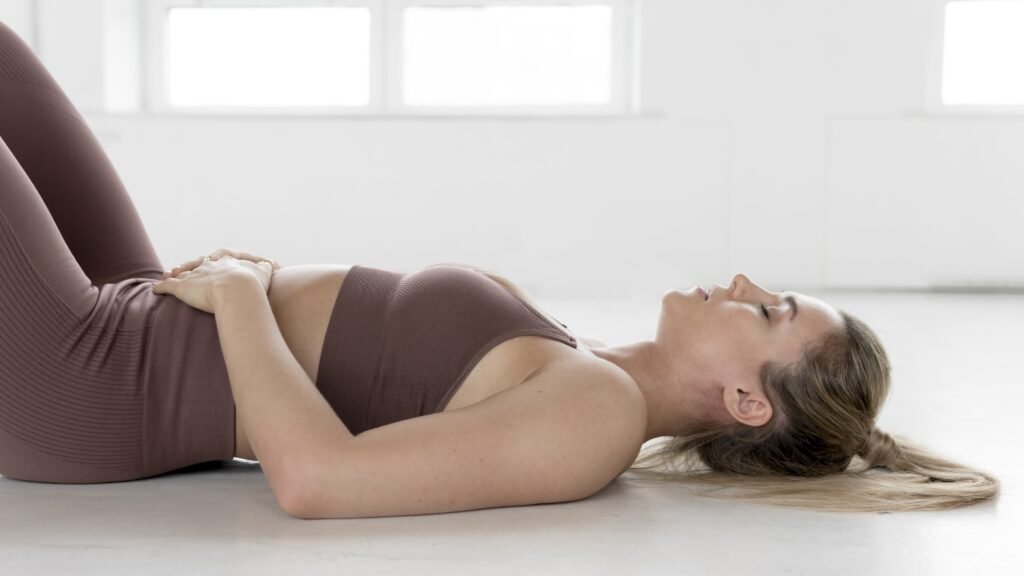
1. Diaphragmatic (Abdominal) Breathing
What It Is:
Also known as belly breathing, this foundational breath technique involves expanding the abdomen—not the chest—on each inhale.
How It Helps Digestion:
- Gently massages the internal organs
- Improves blood flow to the intestines
- Reduces bloating and cramping
Step-by-Step Guide:
- Sit or lie down comfortably.
- Place one hand on your belly, the other on your chest.
- Inhale deeply through your nose for 4 seconds—only your belly should rise.
- Hold for 2 seconds.
- Exhale slowly through your mouth for 6 seconds.
- Repeat for 5–10 minutes, especially before meals or bedtime.
2. 4-7-8 Breathing
What It Is:
Popularized by Dr. Andrew Weil, the 4-7-8 technique is a powerful calming breath that reduces stress fast.
How It Helps Digestion:
- Shifts the body into the parasympathetic state
- Helps regulate gut motility
- Useful during anxiety-induced digestive discomfort
Step-by-Step Guide:
- Sit with your back straight.
- Inhale quietly through your nose for 4 seconds.
- Hold your breath for 7 seconds.
- Exhale forcefully through your mouth for 8 seconds.
- Repeat the cycle 4–8 times.
Tip: Start slowly and work up to longer holds as your lungs adapt.
3. Coherent (Resonant) Breathing

What It Is:
Also known as resonance breathing, this method involves slowing your breath to about 5–6 breaths per minute.
How It Helps Digestion:
- Improves vagal tone (which enhances digestion)
- Helps regulate heart rate and gut motility
- Soothes the nervous system
Step-by-Step Guide:
- Set a timer for 5 minutes.
- Inhale through your nose for 5 seconds.
- Exhale through your nose for 5 seconds.
- Continue for the full time, gradually increasing to 10–15 minutes daily.
Bonus: Pair this with a walk for even better digestive benefits.
4. Rib-Stretch Breathing
What It Is:
This is a deeper form of breathing that expands the rib cage and engages both the diaphragm and intercostal muscles.
How It Helps Digestion:
- Encourages full lung expansion
- Stimulates deeper diaphragm movement
- Relieves tension in the upper body, supporting gut relaxation
Step-by-Step Guide:
- Stand tall or sit upright.
- Place your hands on your ribcage.
- Inhale deeply, expanding your ribs sideways.
- Hold the breath for 5–10 seconds.
- Exhale slowly and fully.
- Repeat for 5 minutes daily.
5. Reverse (Taoist) Breathing
What It Is:
Rooted in ancient Qigong practice, reverse breathing involves pulling the abdomen in during the inhale and expanding it on the exhale.
How It Helps Digestion:
- Stimulates abdominal organs energetically
- Enhances internal awareness and control
- Builds strength in deep abdominal muscles
Step-by-Step Guide:
- Inhale slowly through your nose while pulling your belly inward.
- Hold gently for a moment.
- Exhale and allow your belly to expand naturally.
- Repeat for 3–5 minutes.
Warning: This takes practice. Start slow and consult a Qigong teacher if needed.
Bonus: Numbered Breathing
What It Is:
This simple mindful breath technique brings awareness to each breath cycle.
How It Helps Digestion:
- Slows the mind and body
- Promotes mindful eating and improved absorption
- Reduces stress during or after meals
Step-by-Step Guide:
- Inhale deeply and slowly.
- Exhale fully, then count “one.”
- Continue breathing slowly, counting up to 10.
- If your mind wanders, restart at one.
Use this during post-meal walks or before eating.
How to Integrate Breathwork Into Daily Life
Breathing exercises are most effective when they become part of your everyday rhythm—just like brushing your teeth or drinking water. Rather than treating breathwork as a separate task, the goal is to weave it naturally into moments you’re already experiencing: waking up, preparing meals, commuting, or winding down before bed.
When to Practice:
- Before meals: Engage your parasympathetic nervous system to prime your digestive organs for optimal function.
- Morning: Kickstart peristalsis (the muscle contractions that move food through your digestive tract) and set a calm tone for the day.
- After meals: Use gentle breathwork like numbered or coherent breathing to support post-meal digestion.
- Evening: Calm your nervous system to promote overnight gut repair and restful sleep.
- During stress or discomfort: Use diaphragmatic or 4-7-8 breathing to ease cramping, bloating, or anxiety-related gut issues.
Sample Daily Routine:
- Morning (after waking): Coherent breathing (5–10 minutes) while seated or walking
- Pre-lunch (before eating): Diaphragmatic breathing (3–5 minutes)
- Post-lunch walk: Numbered breathing or reverse breathing (5 minutes)
- Evening (before bed): 4-7-8 breathing (4–8 cycles)
Tips for Consistency:
- Set reminders using your phone or link breathwork to existing habits (e.g., breathe before brushing teeth).
- Use guided apps or calming background music if it helps maintain focus.
- Track progress in a wellness journal—note digestion, energy levels, and mood changes.
- Don’t overthink it: Even one minute of conscious breathing can reset your system.
By making breathwork a regular part of your lifestyle, you’ll gradually retrain your body to digest, absorb, and eliminate more efficiently—all while improving emotional well-being.
Clinical Evidence & Expert Insights
Recent studies support the impact of breathing on digestion:
- Harvard Health: Deep breathing activates the vagus nerve, which controls digestion.
- Journal of Gastrointestinal Disorders (2022): IBS patients showed improvement in symptoms after 6 weeks of daily breathwork.
- Mindfulness-Based Interventions: Linked with reduced abdominal pain, better bowel movement regularity, and improved quality of life.
Doctors and wellness professionals agree: your breath is one of the most underused tools for gut health.
“Breathwork is a game changer for IBS and anxiety-related digestion problems.” — Dr. David Spiegel, Stanford Medicine
Lifestyle & Nutrition Tips to Boost Digestive Breathwork

Breathing works best when paired with supportive lifestyle habits:
Hydration
Drink water throughout the day to keep your digestive tract lubricated. Avoid drinking large amounts during meals, which can dilute digestive enzymes.
Whole Food Nutrition
Eat slowly, chew thoroughly, and prioritize fiber-rich foods like leafy greens, oats, and fermented veggies.
Mindful Eating
Pair breathwork with mealtime mindfulness. Sit down, put away devices, and take 3 deep breaths before eating.
Gentle Movement
Take short walks after meals to stimulate digestion and relieve gas buildup. Combine walking with breath awareness for a double benefit.
Conclusion: Try a 7-Day Breath for Digestion Challenge
Your gut doesn’t just digest food—it reflects your state of mind. These five powerful breathing exercises offer a natural, side-effect-free way to improve digestion, relieve bloating, and feel better in your body.
Take the Challenge: Try one breathing exercise each day for a week. Journal your experience, and track any changes in digestion, mood, or energy.
You’ll be amazed by what your breath can do.
👇 Ready to get started? Comment below or share your favorite breathing technique for digestion!
Frequently Asked Questions (FAQ)
Can breathing exercises really improve digestion?
Yes. Breathing exercises like diaphragmatic and 4-7-8 breathing activate your parasympathetic nervous system—also known as “rest and digest.” This helps relax your gut muscles, stimulate digestion, and relieve symptoms like bloating, gas, and constipation.
Which breathing technique is best for bloating?
Diaphragmatic breathing is the most effective for bloating because it gently massages your abdominal organs and supports gas release. Coherent breathing also reduces stress, a major trigger for digestive discomfort.
How often should I do breathing exercises for gut health?
For best results, practice 1–2 breathing sessions daily. Start with 5 minutes in the morning and 5 minutes before or after meals. Over time, consistent practice trains your gut and nervous system to function more smoothly.
Are breathing exercises good for IBS?
Absolutely. Studies show that breathwork can ease IBS symptoms by reducing stress, regulating bowel movements, and calming the gut-brain axis. Coherent breathing and 4-7-8 are especially beneficial for IBS flare-ups.
Do I need any equipment for digestive breathing exercises?
No equipment needed! All exercises can be done while sitting, standing, or lying down. All you need is a quiet space, a few minutes, and your breath.
Is it better to breathe through the nose or mouth for digestion?
Nasal breathing is best for digestion. It filters, humidifies, and regulates airflow more effectively than mouth breathing. Most breathwork techniques emphasize slow, deep inhales through the nose and controlled exhales through the mouth or nose.
Can breathwork help with constipation?
Yes. Breathwork—especially belly breathing and reverse (Taoist) breathing—stimulates your core muscles and vagus nerve. This can activate peristalsis (muscle contractions that move stool) and relieve constipation naturally.
How long does it take to see digestive benefits?
Most people feel some relief after just one session. However, for lasting digestive improvement, commit to at least 7–14 days of consistent practice. Pair it with mindful eating and hydration for faster results.
Can I use breathwork after overeating?
Definitely. Try coherent or numbered breathing to calm your system and support gentle digestion. Avoid intense breath holds right after a heavy meal; keep it light and slow.
What’s the easiest breathing technique for beginners?
Start with diaphragmatic breathing—it’s simple, soothing, and perfect for all levels. Just focus on slow belly expansion as you inhale and full release as you exhale.