
Have you ever wondered why your friend thrives on a vegan diet, while you feel exhausted after a week without eggs or fish? Why one person feels calm after morning coffee, and another ends up jittery and anxious? These everyday examples highlight a fascinating truth about human health — no two bodies work exactly the same way.
That’s the essence of bio-individuality — a concept that explains why a diet, lifestyle, or even stress-management technique that works wonders for one person might fail completely for another.
In a world obsessed with “the best diet,” “the best workout,” and “the best supplement,” understanding what bio-individuality actually means empowers you to design a wellness approach that’s as unique as your fingerprint.
Science now confirms what intuitive healers and holistic nutritionists have long known: our genes, microbiome, metabolism, emotions, and environments combine to create a one-of-a-kind blueprint that determines how we eat, sleep, move, and feel.
In this post, we’ll explore the science of bio-individuality, the personal side of living it, and practical ways to honor your unique biology so you can achieve real, sustainable wellness — not the cookie-cutter kind sold in magazine headlines.
Table of Contents
1. The True Meaning of Bio-Individuality
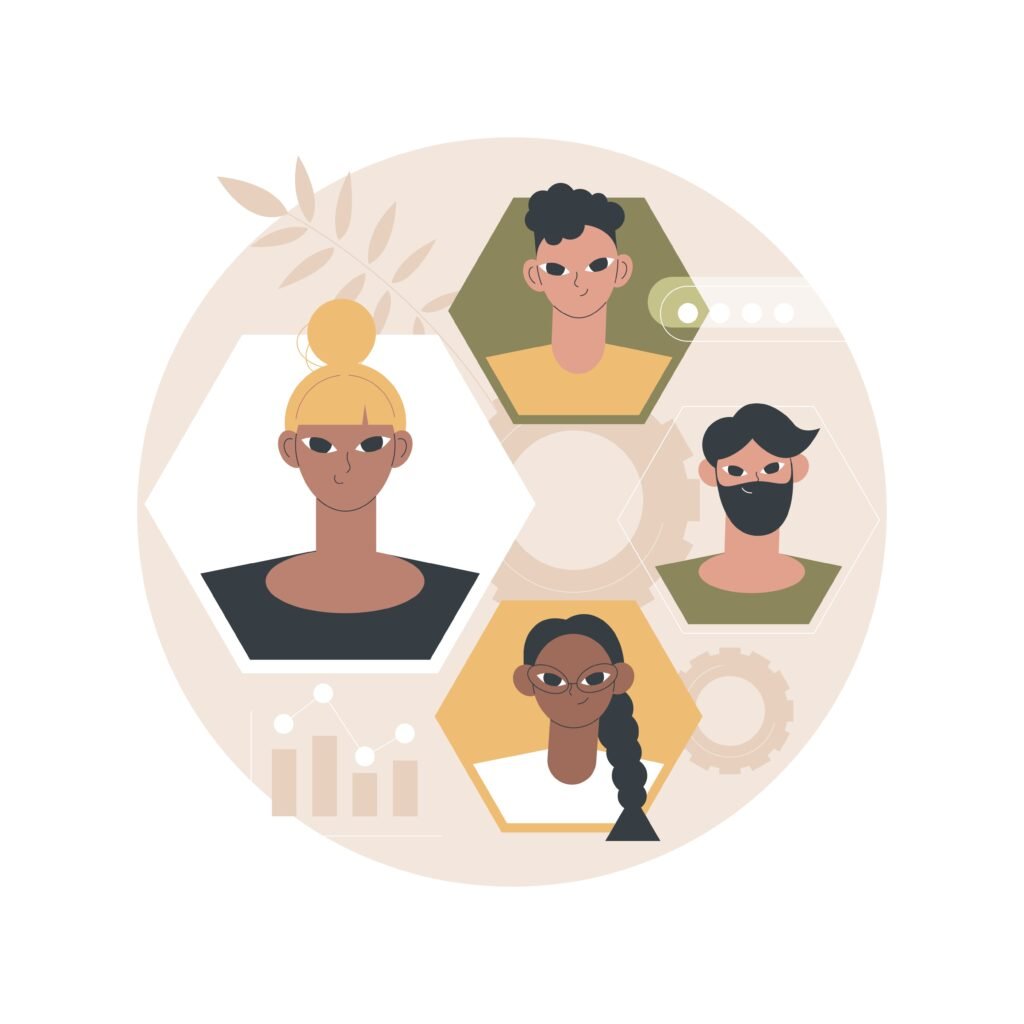
At its core, bio-individuality means that each human being has unique biological and psychological needs. What fuels one body can drain another. It’s the scientific acknowledgment that “one size fits all” does not apply to health — whether it’s diet, exercise, sleep, or stress management.
The term bio-individuality became popular through holistic nutrition, especially by integrative health coaches who observed that people respond differently to the same foods and routines. But it’s not just a wellness buzzword — it’s rooted in biology, genetics, and neuroscience.
The Biological Foundation
Every person’s body is influenced by factors such as:
- Genetics: Your DNA determines how efficiently you metabolize fats, carbs, and proteins. For example, certain people have gene variants that slow caffeine metabolism, making coffee cause anxiety or insomnia.
- Microbiome Diversity: The trillions of bacteria in your gut influence digestion, mood, immunity, and even food preferences.
- Hormonal Balance: Estrogen, cortisol, insulin, and thyroid hormones affect how your body stores energy, responds to stress, and maintains weight.
- Metabolic Rate: Two people can eat identical meals and burn vastly different numbers of calories.
When you understand bio-individuality in health, you realize there’s no universal “perfect diet.” Paleo, vegan, Mediterranean, and keto diets can all work — but only for the people whose biology aligns with them.
Bio-individuality also includes psychological and emotional differences. Two people can experience the same event — say, a stressful job — and react completely differently. One may feel motivated under pressure, while the other becomes anxious or fatigued.
These responses are part of your neurochemical individuality — shaped by your brain chemistry, past experiences, and emotional wiring.
So when someone asks, “What does bio-individuality mean?” — it means recognizing that every body and every mind operate on their own frequency. Understanding yours is the key to real, lasting well-being.
2. The Science Behind Bio-Individuality
To understand why bio-individuality exists, we need to look at the science that makes each of us unique. Modern research in genomics, epigenetics, microbiology, and metabolism all point to one truth: our internal systems are designed for variation.
Genetic Variation and Nutrigenomics

Genetics lay the foundation for bio-individuality. Scientists studying nutrigenomics — how nutrients interact with our genes — have found that DNA can determine how we process certain foods.
For example:
- People with the MTHFR gene mutation have difficulty converting folic acid to its active form, affecting mood and energy.
- Some individuals carry a variant in the CYP1A2 gene, which determines how quickly they metabolize caffeine. Fast metabolizers can enjoy coffee safely; slow ones may face increased heart risks.
This means your ideal diet isn’t just about willpower — it’s written, in part, in your genes.
Epigenetics: The Environment Writes on Your Genes
Epigenetics reveals that your lifestyle can turn genes on or off. Stress, sleep, exercise, and nutrition all influence gene expression. Two identical twins can develop very different health outcomes based on their choices and environments.
That’s why bio-individuality nutrition approaches emphasize lifestyle awareness — not just calorie counting.
The Microbiome and Gut Health
Your gut microbiome — a community of bacteria, viruses, and fungi — plays a major role in digestion, immunity, and even mental health. Each person’s microbiome is as unique as a fingerprint.
Research shows differences in microbiome composition explain why one person tolerates dairy or gluten while another can’t. That’s bio-individuality and gut health in action.
Metabolism and Energy Regulation
Metabolic individuality means we each burn and store energy differently. Factors like thyroid function, insulin sensitivity, and mitochondrial health shape how our bodies respond to food.
So the next time someone claims “carbs make you fat,” remember — that depends on your metabolic type.
3. Bio-Individuality in Everyday Life
Understanding your bio-individuality isn’t just theoretical — it can revolutionize how you live, eat, move, and feel.
Discovering Your Food Blueprint
Start by observing how different foods make you feel. Keep a food-mood journal for two weeks. Note energy levels, digestion, mood, and sleep quality. Patterns will emerge — maybe dairy bloats you, or you thrive on higher protein.
You can also use genetic or microbiome testing for data-driven insights, but simple self-experimentation often reveals just as much.
Exercise: Finding What Moves You
Some people thrive on intense interval training; others need yoga or swimming to feel balanced. Listen to your body’s signals: exhaustion, soreness, or irritability may mean your workout style doesn’t align with your biology.
Sleep and Circadian Rhythms

Your chronotype — whether you’re a morning lark or night owl — is part of your bio-individuality. Forcing yourself into a 5 a.m. routine might work for some, but it’s counterproductive for others whose internal clocks differ.
Stress and Emotional Regulation
Not everyone handles stress the same way. Some need solitude; others need social support. Bio-individuality applies to emotional self-care, too. Understanding your triggers and coping styles is part of living in tune with your nature.
Lifestyle Tips for Bio-Individual Living
- Eat slowly and mindfully to recognize your body’s feedback.
- Test one change at a time to see what truly helps.
- Hydrate consistently, but don’t force excessive water intake if your body doesn’t crave it.
- Practice intuitive movement — not every workout needs to be intense.
This is how personalized wellness based on bio-individuality becomes a way of life — rooted in awareness, not restriction.
4. The Emotional and Psychological Dimensions of Bio-Individuality
Health isn’t just physical — it’s emotional, mental, and even spiritual. Understanding your emotional bio-individuality can be just as powerful as knowing your nutritional needs.
Your Emotional Blueprint
Each person has a unique emotional landscape shaped by genetics, childhood experiences, and personality. Some people are naturally sensitive to sensory input or stress, while others remain calm in chaos.
Ignoring emotional individuality can lead to burnout and anxiety, even if your diet is “perfect.”
Mind-Body Feedback
Your body constantly communicates with you — through gut feelings, tension, cravings, and fatigue. These aren’t random; they’re biological signals linked to your emotional and physiological state.
Learning to interpret these signals creates harmony between your inner science and your inner self.
Self-Compassion and Bio-Individual Healing
One of the most overlooked aspects of wellness is self-compassion. Honoring your bio-individuality means accepting that your body’s needs may change over time — due to age, hormones, stress, or environment.
Health isn’t static; it’s a dynamic conversation between your body and your choices.
5. The Future of Personalized Wellness
The next frontier of health care is personalization — and bio-individuality is leading the way.
Precision Medicine and Technology
DNA testing, continuous glucose monitors, and AI-driven nutrition platforms are helping people understand their unique metabolic responses in real time. Imagine adjusting your diet based on how your body reacts to specific foods — that’s already possible.
Bio-Individuality and Holistic Health
Holistic practitioners are combining ancient wisdom with modern science. From Ayurveda to Traditional Chinese Medicine, many ancient systems already embraced individuality through doshas or constitutions.
Today’s bio-individuality approach merges these insights with modern diagnostics, creating a truly integrated model of health.
Moving Beyond Trends
Keto, intermittent fasting, or detoxes might trend online, but real wellness isn’t about trends — it’s about listening to your biology.
As awareness of bio-individuality grows, more people are rejecting one-size-fits-all advice and embracing self-experimentation, mindful living, and personalized nutrition as the new normal.
6. How to Identify Your Bio-Individual Needs
Recognizing your own bio-individuality starts with curiosity and observation. Think of yourself as both the scientist and the experiment.
Step 1: Observe and Record
For two to three weeks, track your energy, digestion, mood, sleep quality, cravings, and focus.
Ask daily:
- Which foods give me sustained energy?
- When do I feel bloated, anxious, or sleepy?
- What time of day am I most productive?
Patterns will reveal what your body loves—and what it resists.
Step 2: Use Simple Data Tools
Modern tools make self-discovery easier:
- Food-mood journals help you connect eating patterns to emotions.
- Continuous glucose monitors (CGMs) reveal how your blood sugar reacts to certain meals.
- DNA and microbiome tests uncover nutrient sensitivities and gut diversity.
Step 3: Blend Intuition with Science
Data is powerful, but it’s not everything. Your intuition—those subtle bodily signals—often tells the truth before science catches up. Combine both approaches for a well-rounded view of your needs.
7. Bio-Individuality and Nutrition Myths
Mainstream diet advice often ignores biological diversity. Let’s challenge a few common nutrition “truths” through the lens of bio-individuality.
Myth 1: Everyone Should Eat Breakfast
Some people need early fuel; others function best after fasting until midday. Your chronotype and metabolic rate determine what works.
Myth 2: Carbs Are Bad for Everyone
Complex carbohydrates from whole foods may be essential for people with faster metabolisms or high serotonin needs. Carbohydrate tolerance is bio-individual, not moral.
Myth 3: A Calorie Is a Calorie
Different macronutrients trigger unique hormonal and metabolic responses. For instance, protein increases satiety hormones more effectively than equal-calorie carbs.
Myth 4: Detoxes Are the Key to Health
Your liver and kidneys already detoxify efficiently—unless overwhelmed by chronic stress or nutrient deficiencies. Personalized nutrition focuses on support, not restriction.
The takeaway: the best diet is the one your body thanks you for, not the one trending online.
8. Cultural and Environmental Influences on Bio-Individuality
Bio-individuality isn’t shaped only by genes—it’s also molded by culture, ancestry, and environment.
Your Ancestral Blueprint
Thousands of years of evolution adapted your ancestors to specific climates and foods. A person with Northern-European ancestry might digest dairy easily, while someone from East Asia may lack the lactase enzyme.
Climate and Geography
Hot, humid regions often favor lighter, hydrating foods (fruits, vegetables, seafood), while colder regions traditionally rely on warming fats and proteins. This geographical bio-individuality explains why climate-aligned eating feels natural.
Cultural Traditions as Hidden Wisdom
Traditional diets—like the Mediterranean or Okinawan—were inherently bio-individual: locally sourced, seasonal, and mindful. They honored environmental individuality long before modern nutrition science existed.
Modern Mismatch
Today, globalized food systems disconnect people from their natural rhythms. Reconnecting with regional foods and ancestral eating patterns helps restore harmony with your biology.
9. The Role of Bio-Individuality in Mental Health
Bio-individuality extends deep into the brain. Our neurochemistry, gut microbiome, and stress responses all shape mental wellness.
Neurotransmitter Differences
Some people naturally produce more serotonin (linked to calmness), while others rely more on dopamine (linked to motivation). Diets rich in omega-3 fats, B vitamins, and amino acids can support neurotransmitter balance—but the ideal ratio is unique to each person.
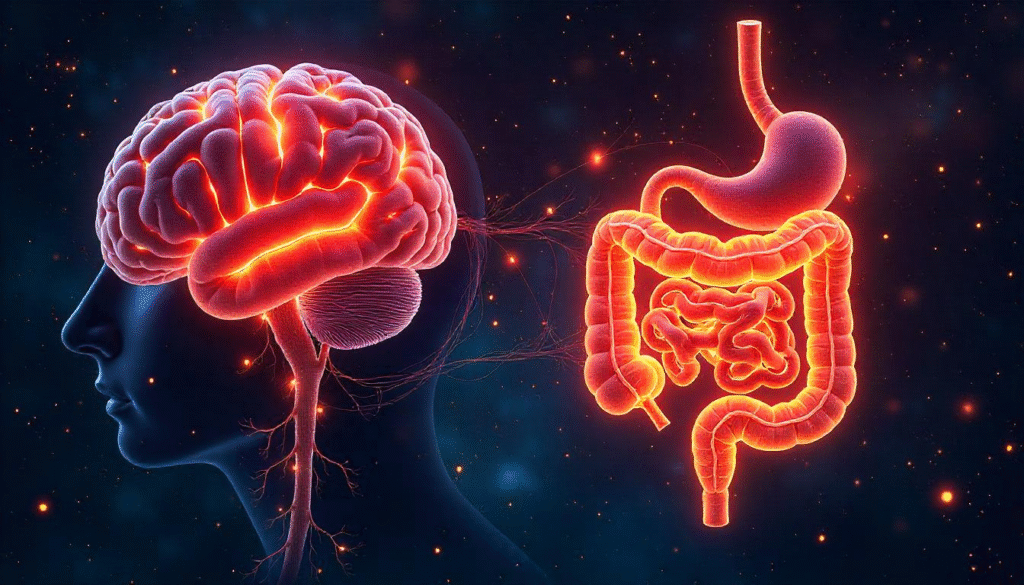
Roughly 90% of serotonin is produced in the gut. Imbalances in gut bacteria can lead to anxiety or low mood. Improving gut health through probiotic foods or fiber can uplift mental well-being—but results vary person to person.
Stress Sensitivity
Cortisol responses differ widely. Highly sensitive individuals may need gentle movement and meditation; others thrive with high-intensity activity. Understanding your stress bio-type prevents burnout and enhances resilience.
10. Practical Tips to Live in Alignment with Your Bio-Individuality
1. Create a Personalized Daily Rhythm
Honor your natural energy flow. Schedule demanding work during your high-focus hours, rest when your body signals fatigue.
2. Eat Intuitively but Mindfully
Listen before labeling. Are you hungry for nutrients, comfort, or hydration? Respect cravings, but question them kindly.
3. Build Consistency, Not Perfection
Bio-individual living isn’t about endless self-testing—it’s about gentle consistency that evolves as you do.
4. Use Seasons as a Guide
Adjust diet and activity levels seasonally. Warmer months may call for lighter meals; colder ones for grounding foods and slower rhythms.
5. Redefine Success
Health isn’t looking like someone else—it’s waking up energized, balanced, and aligned with yourself.
Conclusion: Your Unique Code for Thriving
By now, you’ve discovered that bio-individuality isn’t a fad—it’s the foundation of true well-being. From your DNA and microbiome to your emotional world and ancestral roots, your individuality is the most reliable compass you have.
When you live according to it, you stop battling your body and start collaborating with it.
Health becomes less about control and more about communication—between your biology, mind, and environment.
So next time you’re tempted by a “universal” diet or lifestyle trend, pause and ask:
“Does this align with my biology—or someone else’s?”
Your body always answers.
You just need to listen.
Frequently Asked Questions About Bio-Individuality
1. What exactly does bio-individuality mean?
Bio-individuality means that every person’s body and mind function uniquely. Your genes, metabolism, gut microbiome, and emotional makeup all shape how you respond to food, exercise, and stress. In short — what works for one person may not work for another.
2. Who introduced the concept of bio-individuality?
The idea has roots in holistic nutrition and personalized medicine but was popularized by Joshua Rosenthal, founder of the Institute for Integrative Nutrition (IIN). Today, scientists in nutrigenomics and precision medicine validate the concept with modern research.
3. Why is bio-individuality important in nutrition?
Bio-individuality in nutrition acknowledges that every body digests, absorbs, and reacts to nutrients differently. This helps people design personalized diets that support better digestion, energy, and long-term health — instead of following restrictive or trendy meal plans.
4. How does bio-individuality affect diet choices?
Because metabolism, microbiome, and food tolerances differ from person to person, diet choices must be individualized. For example, one person may thrive on high-fat, low-carb foods, while another feels best with complex carbs and plant proteins.
5. Is bio-individuality scientifically proven?
Yes. Studies in genomics, microbiome science, and metabolism confirm wide variation in how individuals respond to foods, nutrients, and exercise. This evidence supports the foundation of personalized and precision nutrition models.
6. How can I discover my own bio-individual needs?
Start by observing your energy, digestion, sleep, and mood after meals and activities. Keep a food-mood journal or try DNA and microbiome tests. Over time, you’ll identify what supports your optimal well-being — your personal health blueprint.
7. What is an example of bio-individuality in real life?
A simple example: two people drink coffee. One feels focused and energized; the other becomes anxious or experiences insomnia. The difference lies in their CYP1A2 gene, which controls caffeine metabolism — a perfect demonstration of bio-individuality.