Why Fiber Needs a Second Look in Your Golden Years
As someone who’s navigated the daily frustrations of IBS in later life, I can tell you firsthand: digestive comfort isn’t something we should take for granted. One of the most common recommendations we hear as older adults is to increase fiber for better digestion and heart health. But what if you also live with Irritable Bowel Syndrome (IBS)? The advice to “just eat more fiber” can suddenly feel overwhelming—or even harmful. That’s where fibermaxxing comes in.
In this comprehensive guide, you’ll find safe, evidence-based fibermaxxing tips for older adults with IBS. We’ll walk through a practical, compassionate approach to slowly boosting fiber intake without triggering the bloating, cramping, or irregularity that many of us fear. With a personal touch and a focus on sustainable, low-FODMAP, high-fiber solutions, this post is here to support you every step of the way.
Table of Contents
What Is Fibermaxxing—and Is It Safe for Seniors with IBS?
Fibermaxxing is a relatively new term that refers to gradually increasing your dietary fiber intake to optimal levels—typically 25g–38g per day—without shocking your digestive system. It’s especially helpful for people who have fallen far below these daily recommendations, which includes many older adults.
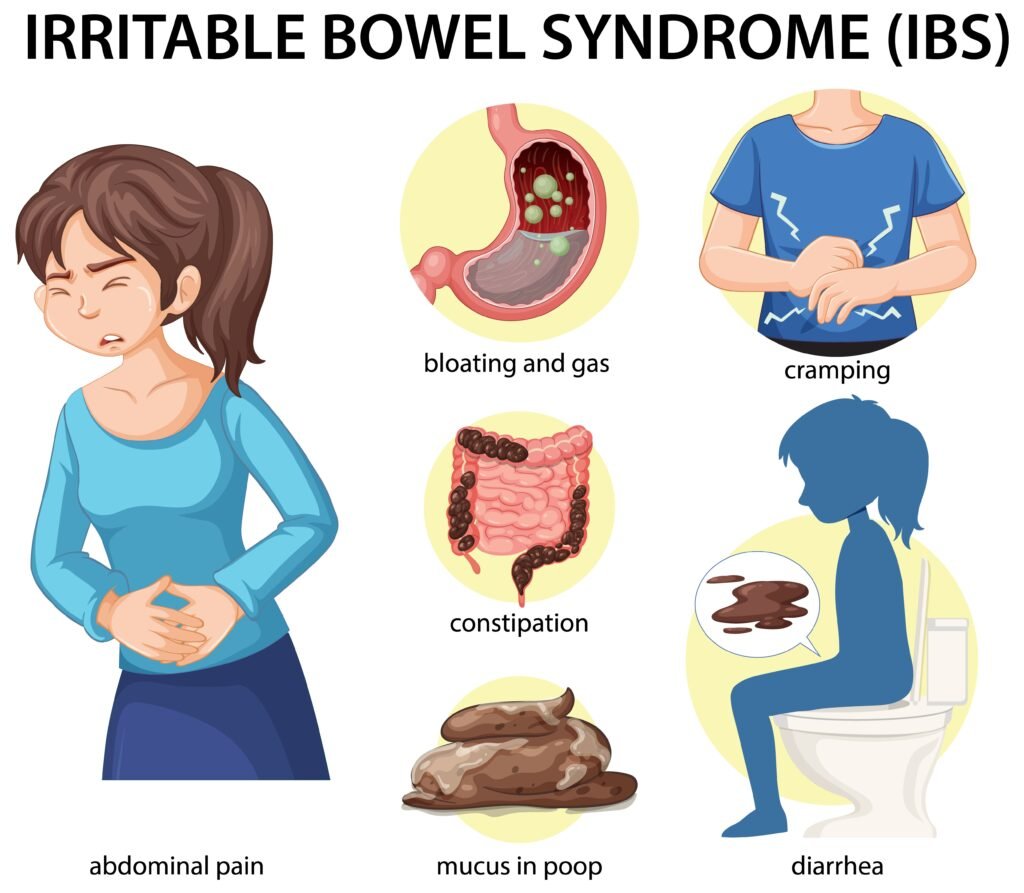
For those of us over 60, digestive transit slows down, and muscle tone in the digestive tract decreases. Add in IBS, and you may be dealing with a tricky combination of constipation, diarrhea, or both. That’s why fibermaxxing for seniors must be done with care.
Benefits of gradual fibermaxxing for older IBS sufferers:
- Encourages regularity
- Reduces risk of diverticulitis
- Supports blood sugar balance
- Promotes healthy gut microbiota
- Minimizes IBS symptom flare-ups
Pro tip: Always increase fiber slowly—by about 3–5g per week—and drink at least 6–8 cups of water daily to help your body adapt.
Understanding the Different Types of Fiber
Not all fiber is created equal. Understanding the difference can help you make smarter, safer food choices for IBS.
1. Soluble Fiber:
- Dissolves in water and forms a gel-like substance in the gut
- Slows digestion and can soothe diarrhea-dominant IBS
- Found in: oats, bananas, carrots, chia seeds, psyllium husk
2. Insoluble Fiber:
- Adds bulk to stool and speeds up transit
- Helps with constipation-predominant IBS, but can be harsh if added too quickly
- Found in: whole grains, wheat bran, green beans, nuts
3. Low-FODMAP Fibers:
- FODMAPs are fermentable carbs that can worsen IBS symptoms
- Choose low-FODMAP fiber sources like kiwi, strawberries, oats, and zucchini
Step-by-Step Fibermaxxing Plan for Older Adults with IBS
Successfully fibermaxxing in your senior years—especially with IBS—requires patience, awareness, and intentional action. Here’s an expanded and comprehensive step-by-step plan to help you do just that:
Step 1: Assess Your Current Fiber Intake Begin by evaluating how much fiber you currently consume. Most older adults only get around 10–15g per day, far below the recommended 25–30g. Track your meals using free apps like MyFitnessPal, Cronometer, or a simple food journal. Pay special attention to how different fiber sources affect your digestion—especially bloating, frequency, and stool consistency.
Step 2: Set Personalized Weekly Goals Instead of aiming to hit 30g overnight, plan a steady increase. A safe approach is to boost your fiber by 3–5 grams each week. For example, if you’re starting at 12g/day, aim for 15g the following week. This method allows your digestive system to adjust gradually, reducing the risk of discomfort.
Step 3: Start with Soluble Fiber First Soluble fiber is gentler on the gut and easier to tolerate for people with IBS. Begin by incorporating:
- 1 tablespoon of chia seeds in yogurt or oatmeal
- 1/2 cup of cooked carrots or peeled zucchini
- A banana or small serving of strawberries
These foods slow digestion, stabilize bowel movements, and help both IBS-D and IBS-C symptoms.
Step 4: Introduce Insoluble Fiber Carefully Once you’ve adapted to a higher intake of soluble fiber, you can begin adding insoluble fiber in small amounts. This type of fiber adds bulk to stool, supporting regularity in constipation-prone seniors. Start with:
- 1 tablespoon of oat bran
- 1/4 cup of cooked quinoa
- A few whole grain or seed crackers (ensure they’re low-FODMAP)
Always cook your vegetables to soften fiber and improve digestibility.
Step 5: Monitor Symptoms and Make Adjustments Keep a detailed log of what you eat and how your body responds. IBS symptoms can be delayed or subtle, so note even minor shifts in bloating, bowel habits, or energy levels. If something triggers discomfort, reduce the portion, pause, or swap to a different food. This process helps you personalize your fibermaxxing journey without setbacks.
Step 6: Stay Hydrated—Always Fiber needs water to work. Without adequate fluid, increasing fiber can worsen constipation. Sip water throughout the day, and aim for at least 6–8 cups of fluids daily. Herbal teas, broths, and infused water count too. If you’re using fiber supplements like psyllium husk, drink a full glass of water immediately after to avoid blockages.
Step 7 (Bonus): Space Out Your Fiber Intake Don’t overload any one meal with fiber. Spread it out throughout the day to keep your digestion balanced. For example:
- 5g at breakfast (chia + oats)
- 5g at lunch (carrots + spelt wrap)
- 5g at dinner (zucchini + sweet potato)
- 2–3g in snacks (fruit, seeds)
This keeps your gut gently engaged without overwhelming it all at once.
Fibermaxxing isn’t about perfection—it’s about mindful progress. Start where you are and build slowly. Your body will thank you for the steady, gentle support.
Best High-Fiber, IBS-Friendly Foods for Seniors
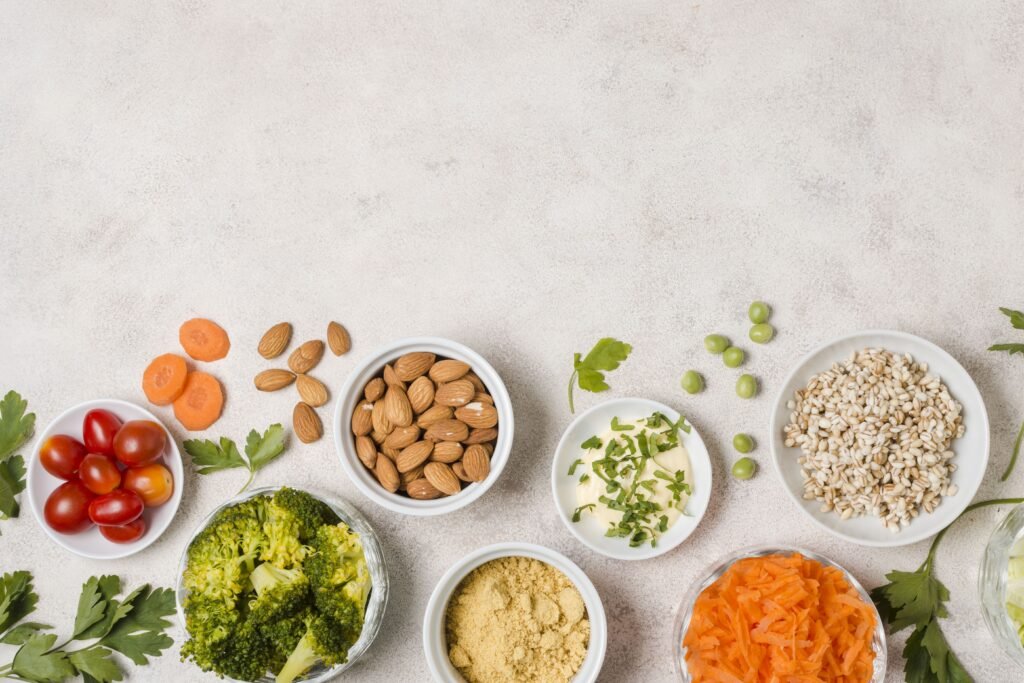
Here are some of the safest, most digestible foods for fibermaxxing in later life:
| Food | Fiber per Serving | Notes |
|---|---|---|
| Chia Seeds | 10g per 2 tbsp | Soluble, easy to add to smoothies |
| Oats | 4g per 1/2 cup cooked | Low-FODMAP, soothing |
| Carrots | 3.5g per cup cooked | Gentle and soluble |
| Kiwi | 2g per fruit | Excellent for IBS-C |
| Zucchini | 1g per 1/2 cup cooked | Easy on the gut |
| Psyllium Husk | 5g per tsp | Gold standard for fibermaxxing |
Quick Swaps for Common High-FODMAP Foods:
- Swap apples → strawberries
- Swap wheat bread → low-FODMAP spelt bread
- Swap lentils → canned lentils (rinsed) in small portions
7-Day Sample Meal Plan for IBS-Friendly Fibermaxxing
This 7-day meal plan is designed to gently increase fiber intake while being mindful of IBS symptoms in older adults. Each day includes balanced, low-FODMAP meals that prioritize soluble fiber, cooked vegetables, hydration, and gradual fiber build-up.
Day 1: Starting Gently (~15g fiber)
Breakfast
- Oatmeal (1/2 cup cooked) with 1 tablespoon chia seeds and strawberries
- Herbal tea or warm water with lemon
Lunch
- Grilled chicken breast
- Zucchini and carrot slaw (1/2 cup each, cooked)
- Brown rice (1/2 cup)
Snack
- Kiwi and 1 tablespoon sunflower seeds
Dinner
- Baked salmon
- Mashed sweet potato (1/2 cup)
- Sautéed spinach (1/2 cup)
Day 2: Adding More Variety (~17g fiber)
Breakfast
- Smoothie with oat milk, banana (small), spinach, chia seeds, and blueberries
- Rice cake on the side
Lunch
- Turkey and lettuce spelt wrap (low-FODMAP spelt tortilla)
- Roasted carrots (1/2 cup)
Snack
- Rice crackers with 1 tablespoon peanut butter
Dinner
- Quinoa (1/4 cup cooked)
- Grilled tofu
- Steamed zucchini and eggplant (1/2 cup each)
Day 3: Fiber Focused but Balanced (~19g fiber)
Breakfast
- Overnight oats with almond milk, chia seeds, and strawberries
- Peppermint tea
Lunch
- Tuna salad with shredded carrots and cucumber, dressed in olive oil
- Toasted low-FODMAP bread (1 slice)
Snack
- Clementine or small orange
- Handful of pumpkin seeds
Dinner
- Baked cod
- Mashed parsnips and sautéed spinach (1/2 cup each)
- Brown rice (1/2 cup)
Day 4: Soluble Fiber Confidence (~21g fiber)
Breakfast
- Cream of rice cereal with kiwi and 1 tablespoon psyllium husk
- Decaf green tea
Lunch
- Chicken and rice soup with cooked carrots and zucchini
- Low-FODMAP crackers (2–3)
Snack
- Lactose-free yogurt with blueberries
Dinner
- Lentil stew (use canned, rinsed lentils in small serving)
- Steamed spinach (1/2 cup)
- Spelt toast (1 slice)
Day 5: Moderate Fiber with Simple Prep (~23g fiber)
Breakfast
- Buckwheat pancakes with banana slices and chia
- Herbal tea
Lunch
- Quinoa salad with diced red bell pepper, shredded carrots, and olive oil
- Hard-boiled egg
Snack
- Strawberries and sunflower seeds
Dinner
- Baked chicken thighs
- Roasted sweet potato and zucchini (1/2 cup each)
- Brown rice (1/2 cup)
Day 6: Diverse and Colorful (~25g fiber)
Breakfast
- Smoothie bowl with banana, chia, blueberries, and oat milk
- Sprinkle of flaxseed
Lunch
- Tuna-stuffed spelt pita with shredded lettuce and carrots
- Cucumber slices on the side
Snack
- Clementine and small handful of almonds
Dinner
- Baked trout
- Mashed parsnips and sautéed kale (1/2 cup each)
- Wild rice (1/2 cup)
Day 7: Balanced and Gut-Friendly (~26g fiber)
Breakfast
- Cooked oats with chia, kiwi, and lactose-free yogurt
- Green tea
Lunch
- Grilled chicken salad with cooked carrots and quinoa (1/4 cup)
- Low-FODMAP toast
Snack
- Rice cake with almond butter
Dinner
- Vegetable soup (zucchini, carrots, potatoes)
- Brown rice
- Grilled tofu
Common Mistakes to Avoid When Fibermaxxing with IBS
Fibermaxxing can bring tremendous benefits for older adults with IBS, but it needs to be done carefully to avoid making symptoms worse. Here are the most frequent pitfalls and how to avoid them:
1. Increasing Fiber Intake Too Quickly
One of the biggest mistakes is trying to jump from low fiber to high fiber too fast. A sudden surge can overwhelm your digestive system, causing bloating, gas, cramps, and diarrhea.
Why it happens:
Fiber needs time for your gut bacteria and motility to adjust. Rapid increases cause fermentation of undigested fiber in the colon, creating excessive gas.
How to avoid:
Increase fiber by 3–5 grams per week, as outlined in the step-by-step plan. Listen closely to your body’s signals and slow down if discomfort arises.
2. Ignoring the Importance of Hydration
Fiber works by absorbing water and adding bulk to stool. Without enough fluids, fiber can actually worsen constipation and cause hard stools.
Why it happens:
Older adults often have reduced thirst sensation and might not drink enough water. This can compound IBS symptoms and lead to dehydration.
How to avoid:
Aim for 6–8 cups of water daily, including herbal teas and broths. Drink a full glass of water whenever you take fiber supplements like psyllium husk.
3. Not Differentiating Between Soluble and Insoluble Fiber
Not all fiber behaves the same way. Insoluble fiber adds bulk but can irritate a sensitive gut. Soluble fiber is gentler and often better tolerated by those with IBS.
Why it happens:
Many people simply increase all fiber without considering the type. Insoluble fiber from raw vegetables, wheat bran, or tough skins can trigger IBS symptoms.
How to avoid:
Start with soluble fiber sources like oats, chia seeds, cooked carrots, and peeled zucchini. Introduce insoluble fiber gradually and in cooked forms to reduce irritation.
4. Overloading Fiber in a Single Meal
Eating a large amount of fiber at once can overwhelm digestion and cause cramping, bloating, or urgency.
Why it happens:
The colon can handle fiber better when it’s spread evenly throughout the day.
How to avoid:
Distribute fiber intake across meals and snacks. For example, include small amounts in breakfast, lunch, dinner, and snacks rather than loading it all at once.
5. Neglecting Food Preparation Methods
Raw vegetables and whole grains might be healthy but often are harder to digest, especially for seniors with IBS.
Why it happens:
Tough fibers and complex starches can irritate the gut lining or ferment rapidly.
How to avoid:
Cook vegetables until soft, peel skins if necessary, and choose well-cooked grains like quinoa, rice, and oats. This helps fiber become more digestible and reduces IBS flare-ups.
6. Forgetting to Track Symptoms and Food Intake
Without a clear log, it’s difficult to identify which fibers or foods trigger IBS symptoms.
Why it happens:
Symptoms might be delayed or subtle, making cause and effect unclear.
How to avoid:
Keep a detailed food and symptom diary. Note portion sizes, fiber types, and how you feel afterward. This insight helps tailor your fibermaxxing to your unique needs.
7. Relying Only on Fiber Supplements
Supplements like psyllium can be helpful but aren’t a substitute for natural fiber-rich foods.
Why it happens:
Some think taking a fiber supplement alone is enough, ignoring diet variety and micronutrients.
How to avoid:
Use fiber supplements to complement—not replace—whole foods. Focus on fruits, vegetables, whole grains, nuts, and seeds to get a broader range of nutrients.
8. Ignoring IBS Subtype and Personal Tolerance
IBS manifests differently in people: IBS-C (constipation), IBS-D (diarrhea), or mixed. Different fiber strategies are needed for each.
Why it happens:
Many try a one-size-fits-all fiber increase without adjusting for their symptoms.
How to avoid:
Work with a healthcare professional to understand your IBS subtype. For IBS-D, soluble fiber and moderation are key. For IBS-C, gradual insoluble fiber addition and hydration help.
Summary
Fibermaxxing can significantly improve IBS management in older adults but requires thoughtful, patient, and personalized approaches. Avoid these common mistakes to create a sustainable, symptom-friendly high-fiber diet that supports digestion and overall wellbeing.
Supporting Habits for IBS and Fibermaxxing Success

- Stay Active: Aim for light walks after meals
- Practice Stress Management: Try yoga, meditation, or deep breathing
- Eat Consistently: Avoid skipping meals or fasting for too long
- Sleep Well: Poor sleep = worse gut function
Personal Reflections: What Worked for Me
When I first tried increasing fiber, I made every mistake—too much bran cereal, not enough water, and zero symptom tracking. It wasn’t until I discovered the idea of “gentle fiber build-up for IBS over 50” that things began to change. I started small, with a tablespoon of chia in my morning oats, and gradually added cooked veggies like carrots and zucchini.
Now, not only are my bowel habits more predictable, but I also feel more energetic and balanced. Everyone’s body is different, but fibermaxxing gave me control again. And with patience, it can work for you too.
Conclusion: You Deserve Digestive Comfort—At Any Age
Fibermaxxing isn’t a trendy fix or one-size-fits-all diet—it’s a lifestyle shift grounded in science, patience, and self-respect. Especially as older adults with IBS, we need to listen to our bodies and make changes with intention. By gently increasing fiber through safe foods, hydration, and mindfulness, you’re building better digestion—and reclaiming comfort, one meal at a time.
Ready to start your fibermaxxing journey? Begin with one simple change today. Your gut will thank you tomorrow.
Frequently Asked Questions (FAQs)
Q1: What is the best type of fiber for IBS in older adults?
A: Soluble fiber is generally the best choice for older adults with IBS. It dissolves in water, forming a gel that helps regulate bowel movements and soothes the gut. Foods like oats, chia seeds, peeled carrots, and zucchini are good sources. Insoluble fiber can be added gradually but may cause irritation if introduced too fast.
Q2: How much fiber should older adults with IBS consume daily?
A: Most experts recommend 25 to 30 grams of fiber per day for older adults. However, if you have IBS, it’s important to increase fiber intake slowly—by about 3 to 5 grams per week—to allow your digestive system to adjust and avoid triggering symptoms.
Q3: Can fiber supplements help manage IBS symptoms?
A: Yes, fiber supplements like psyllium husk can be helpful, especially if it’s difficult to get enough fiber from food alone. Psyllium is a soluble fiber that helps regulate stool consistency. Always take supplements with plenty of water and consult your healthcare provider before starting.
Q4: Why does fiber sometimes make IBS symptoms worse?
A: Fiber can worsen symptoms if increased too rapidly, if too much insoluble fiber is consumed, or if there’s inadequate hydration. It can also ferment in the gut, causing gas, bloating, and cramps. The key is gradual introduction, proper hydration, and choosing the right types of fiber.
Q5: Are there specific foods older adults with IBS should avoid?
A: High-FODMAP foods such as onions, garlic, wheat, apples, and beans often trigger IBS symptoms. For fibermaxxing, focus on low-FODMAP, fiber-rich foods like oats, carrots, zucchini, bananas, and quinoa. Cooking vegetables makes them easier to digest.