
Have you ever felt butterflies in your stomach before a big presentation? Or maybe your stomach tied itself in knots during an argument? That’s not just a coincidence. Your gut and brain are constantly talking—and stress is one of the loudest voices in that conversation.
In today’s fast-paced world, chronic stress is almost worn like a badge of honor. We push through it, ignoring the subtle signs our bodies send us—like indigestion after lunch, sudden bloating, or even constipation during tense times. But here’s the truth: stress can wreck your digestion.
If you’re constantly feeling bloated, gassy, dealing with heartburn, or going back and forth between diarrhea and constipation—it’s time to stop blaming your diet alone. Your stress levels could be the real culprit.
Ready to unlock the secret to better digestion? It starts in your mind. Let’s dive into the powerful link between stress and gut health—and how you can take back control of both.
Table of Contents
1. Understanding the Link Between Stress and Gut Health
The “Fight‑or‑Flight” Response
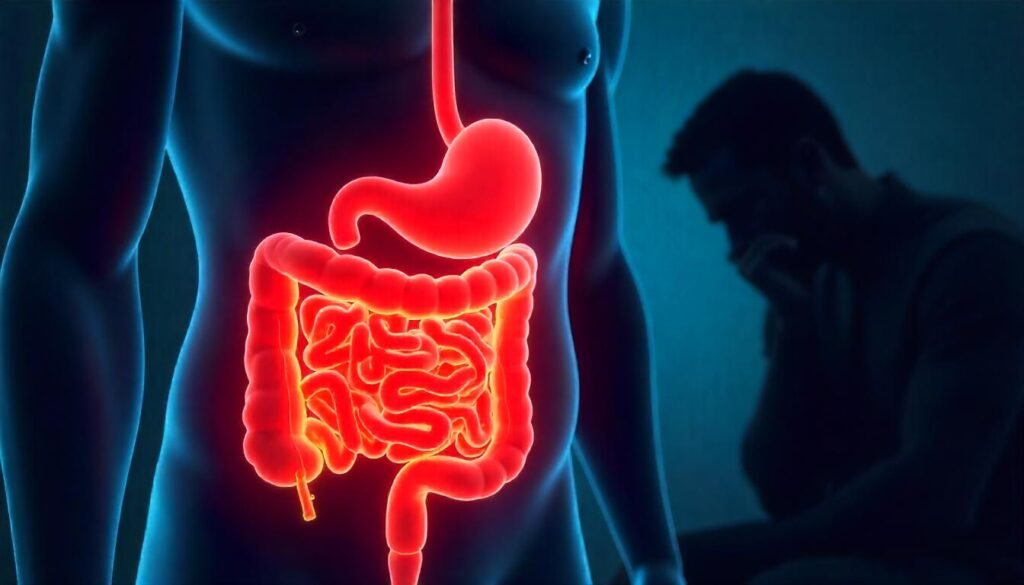
When we face stress—whether a demanding deadline or a surprise flat tire—our nervous system flips into fight‑or‑flight mode. It floods our body with stress hormones like cortisol and adrenaline. These hormones are lifesavers when escaping real danger, but constant stress keeps us in emergency mode—and that’s bad news for digestion.
Key effects include:
- Stomach cramps and bloating from delayed gastric emptying
- Diarrhea or constipation as digestion speed gets erratic
- Increased gut permeability (“leaky gut”) allowing bacteria to escape into the bloodstream
In essence, stress shifts energy away from digestion, interrupting vital processes.
The Gut‑Brain Axis: Two-Way Communication
The gut-brain connection is real—and it matters. Our gut is lined with 500 million neurons—almost as many as the spinal cord. It sends constant signals to the brain using the vagus nerve. When stress hits, the brain relays orders that slow digestion, alter microbiome balance, and increase inflammation.
That’s why stress can:
- Aggravate irritable bowel syndrome (IBS)
- Trigger acid reflux or heartburn
- Increase cramps, gas, and indigestion
It’s a vicious cycle: stress hurts digestion, which then fuels more stress. Recognizing this loop is the first step toward breaking it.
2. The Research: What Science Reveals
Cortisol and the Digestive Process
Cortisol—our primary stress hormone—impacts digestion in multiple ways:
- Inhibits digestion by constricting blood vessels in the GI tract
- Lowers stomach acid, leading to poor nutrient absorption
- Promotes inflammation, worsening conditions like IBS and IBD (inflammatory bowel disease)
One study found that individuals with chronically elevated cortisol levels had slower digestion and more bloating, highlighting why stress management is essential for healthy gut function.
How Stress Disrupts the Gut Microbiome
Our gut hosts trillions of microbes that support digestion and immunity. But stress throws the ecosystem off balance—reducing helpful bacteria like Lactobacillus and Bifidobacterium while increasing harmful strains.
A study published in Psychoneuroendocrinology discovered that students experiencing exam stress showed marked microbial shifts—accompanied by more digestive complaints.
Inflammation, Stress, and Leaky Gut

Chronic stress can compromise the intestinal barrier, causing a “leaky gut.” Here’s how:
- Cortisol knock‑on effects weaken tight junctions between cells
- Undigested particles and bacteria escape into the bloodstream
- Immune triggers lead to systemic inflammation
A Norwegian study found individuals with persistent stress had higher markers of intestinal permeability compared to low‑stress peers.
3. Real-Life Symptoms of Stress-Related Digestive Issues
We often think of stress as “mental” or “emotional.” But for many of us, stress shows up first—and most painfully—in the gut. If you’ve ever felt stomach discomfort before a big event or had a sudden bathroom emergency during a stressful period, you’re not imagining it. The stress-digestion connection is real, and it’s powerful.
In this section, let’s break down how stress affects digestion and the specific symptoms it triggers, how to recognize patterns, and why these signals shouldn’t be ignored.
The Gut’s Response to Emotional Stress
Before we dive into the symptoms, it helps to understand how stress hits the gut from multiple angles:
- Physiological stress triggers the sympathetic nervous system, putting digestion on hold.
- Hormonal stress floods your body with cortisol, which suppresses stomach acid and digestive enzymes.
- Neurological stress affects the enteric nervous system, a.k.a. the “second brain” in your gut.
Together, this causes a cascade of digestive system symptoms due to stress, many of which mimic chronic digestive disorders.
Common Symptoms of Stress-Related Digestive Disturbance

Here are the most common and overlooked signs that your digestive issues may be stress-related:
1. Alternating Constipation and Diarrhea
A classic symptom of stress-related irritable bowel patterns, your bowel may swing between extremes. Cortisol changes how your intestines absorb water and process waste, making stool either too hard or too loose.
Real-life clue: You feel blocked for two days, then suddenly rush to the bathroom multiple times after a stressful event.
2. Bloating and Excessive Gas
Stress slows down digestion, allowing food to sit longer and ferment in your gut. This creates bloating, gurgling, and flatulence—even if you haven’t eaten “problem” foods.
Real-life clue: You eat a normal meal, but feel six months pregnant an hour later. Or your stomach swells during emotional arguments or work calls.
3. Acid Reflux and Heartburn
Stress reduces gastric motility and tightens the esophageal sphincter—making it easier for acid to backflow into the throat. It also increases stomach acid in some people.
Real-life clue: You feel a burning sensation in your chest after stressful emails or during anxious thoughts—especially when lying down.
4. Nausea and Loss of Appetite
Your brain signals the gut to pause digestion during stress. Blood is diverted from your stomach to muscles and brain—so eating becomes unappealing, and nausea can result.
Real-life clue: You skip meals because your stomach turns at the thought of food, even though you’re normally a healthy eater.
5. Cramping and Gut Pain
Your intestines have over 100 million neurons—so emotional pain can literally turn into gut pain. Muscles tighten in your GI tract, causing cramps that feel like knots or spasms.
Real-life clue: You get stomach pains with no apparent cause, especially before a big day, interview, or social situation.
💩 6. Sudden Urge to Go / Urgency
The “anxious dump” is a real phenomenon. Stress hormones stimulate bowel motility and can cause sudden, intense urgency to use the bathroom—often without warning.
Real-life clue: Before important events, you suddenly have to go to the bathroom—sometimes multiple times.
7. Mucus in Stool
Less talked about, but stress-induced inflammation in the gut can increase mucus production in the colon. This often shows up as stringy or jelly-like substances in your stool.
Real-life clue: You notice a clear or whitish film when wiping, especially during stressful times or emotional burnout.
Subtle, Long-Term Symptoms Often Linked to Chronic Stress
Chronic stress doesn’t just cause digestive discomfort—it also affects long-term gut health in less obvious ways.
1. Poor Nutrient Absorption
Low stomach acid due to stress impairs the breakdown of nutrients like B12, iron, and magnesium. Over time, this can lead to fatigue, muscle cramps, and mood disorders.
Watch for: Brittle nails, frequent fatigue, unexplained anemia, or tingling in hands and feet.
2. Weight Fluctuations
Stress can trigger emotional eating or complete appetite loss—leading to unexplained weight gain or weight loss, even with no major changes in diet.
Watch for: Sudden cravings for sugar or carbs after stress events, or forgetting to eat for long periods.
3. Increased Food Sensitivities
Stress weakens the gut lining and may trigger leaky gut syndrome, allowing proteins and bacteria to escape into the bloodstream. This causes low-grade immune reactions, which feel like sudden food intolerances.
Watch for: Feeling bloated or fatigued after eating foods that were once safe—like gluten, dairy, eggs, or even healthy veggies.
Why These Symptoms Shouldn’t Be Ignored
Many people chalk up these symptoms to “just stress” and push through them. But ignoring chronic digestive issues caused by stress can lead to:
- Worsening inflammation
- Imbalanced gut bacteria (dysbiosis)
- Hormonal disruption
- Mood swings and anxiety
- Compromised immunity (since 70% of immune cells live in the gut)
Left unchecked, stress-related digestive symptoms can evolve into chronic conditions like IBS, SIBO, leaky gut, or even autoimmune disorders.
How to Track Your Gut-Stress Triggers
To get clarity, start a simple gut and stress symptom journal. Here’s what to track:
| Time of Day | What You Ate | Stress Level (1–10) | Symptoms Felt | Bowel Movement (Y/N) |
|---|---|---|---|---|
| 8:00 AM | Oatmeal, coffee | 7 | Slight nausea | No |
| 12:00 PM | Chicken salad | 5 | Gas, mild cramp | Yes – soft stool |
Within 1–2 weeks, you’ll likely notice patterns—like high stress correlating with gut symptoms. That insight alone can help you make small, powerful adjustments.
4. Holistic Strategies for Stress Relief and Better Gut Health

1.Mind‑Body Techniques
Deep Breathing and Diaphragmatic Breathing
Take 10‑minute breaks to breathe slowly through your nose, filling your belly. This triggers the rest-and-digest parasympathetic system, calming cortisol and supporting digestion.
Meditation and Mindfulness
Daily mindfulness practice—just 5–10 minutes—reduces stress and lowers inflammatory gut markers. Apps like Headspace or Calm offer guided sessions to get started.
Yoga for Digestion
Gentle yoga poses like Child’s Pose and Cat-Cow stimulate the vagus nerve and support gut motility. A few minutes daily can work wonders.
2. Dietary Adjustments
Reduce Inflammatory Foods
Cut back on caffeine, alcohol, sugar, and processed foods—since these elevate stress hormones and irritate the gut lining.
Eat Gut‑Friendly Foods
- Fiber‑rich whole grains, fruits, and vegetables for healthy digestion
- Fermented foods—like yogurt, kefir, sauerkraut—to support microbiome balance
- Bone broth and collagen‑rich soups for gut-healing amino acids
Stay Hydrated
Water helps regulate bowel movements and flush out stress byproducts. Herbal teas with ginger or peppermint can also soothe digestion naturally.
3. Lifestyle and Routine
Regular Exercise
Moderate exercise—like walking, cycling, or light jogging—reduces stress and enhances digestion, especially if done at least 30 minutes, most days.
Sleep Hygiene
Chronic poor sleep raises cortisol and undermines gut health. Aim for 7–9 hours nightly, going to bed and waking at consistent times.
Manage Your Workload
Set realistic goals, delegate tasks, and learn healthy assertiveness. Reducing psychological stress pays off in better digestion and quality of life.
Supplements (Use With Caution)
Always consult a healthcare provider, but some supplements may help:
- Probiotics (such as Lactobacillus acidophilus and Bifidobacterium lactis) support microbiome balance
- L‑glutamine and zinc carnosine may help heal a leaky gut
- Adaptogenic herbs like ashwagandha or holy basil assist in stress regulation
- Digestive enzymes or a small amount of ox bile may aid those with delayed digestion
5. When to See a Professional
If symptoms last more than two weeks despite at-home changes—or are severe (like blood in the stool, unintentional weight loss, or intense pain)—see a medical professional. You may need testing for conditions like IBS, IBD, celiac disease, or SIBO (small intestinal bacterial overgrowth).
A functional medicine doctor, naturopath, or dietitian can assess your cortisol, gut‑barrier health, and microbiome, and create a personalized plan.
6. Case Study: How I Turned Things Around
Let me share my own turnaround:
- Phase 1 (Awareness): I tracked stress and digestive symptoms in a journal. Patterns emerged—symptoms always hit after stressful calls or bad news.
- Phase 2 (Small Wins): I added 10 minutes of morning meditation, daily walks, and warm lemon drink instead of coffee. Within two weeks, bloating and spasms eased.
- Phase 3 (Building Momentum): I introduced probiotic yogurt, bedtime reading instead of screens, and yoga on weekends. Better sleep followed, along with dramatically improved bowel consistency.
- Phase 4 (Maintenance): Stress still comes—but now I catch the signs early. Breathing and a warm tea calm my stomach fast. My system is stronger and more balanced.
7. 30-Day Stress‑Digestion Reboot Plan
| Week | Focus | Actions |
|---|---|---|
| 1 | Awareness | Track symptoms; practice breathing 3x/day; drink herbal teas |
| 2 | Mind‑body | Add 5 min meditation daily; daily walk or gentle stretch |
| 3 | Gut‑supportive diet | Cut processed foods; add fermented foods and fiber; hydrate well |
| 4 | Build habits & monitor progress | Introduce bedtime routine; consider probiotics; review journal |
— Repeat & refine based on your body’s feedback
Conclusion: Your Path to Stress‑Free Digestion
The science of stress and digestion shows us that our minds and gut are inseparable—so managing stress isn’t just mental wellness; it’s crucial physical health. When stress tugs on your gut, it’s a signal: your body needs balance. A few tweaks can protect your microbiome, calm inflammation, and support digestion.
Remember:
- Start small with breathing or walking
- Nourish with anti-inflammatory foods and fermented fare
- Prioritize sleep, self-care, and emotional support
- When needed, seek professional help
By understanding the mind‑gut connection, you reclaim ownership of your digestion—and transform stress into an opportunity for healing.
Write your own stress‑digestion story: What small change will you try today? Share below—I love hearing how these shifts affect your life.
FAQs (Frequently Asked Questions)
1. Can stress really cause digestive issues?
Yes. Stress directly affects the digestive system through the gut-brain axis. It can alter gut motility, suppress digestive secretions, and imbalance the gut microbiome. This leads to symptoms like bloating, diarrhea, constipation, and indigestion.
2. How do I know if my gut issues are stress-related?
Look for patterns. Do symptoms flare up during exams, work pressure, emotional upsets, or lack of sleep? If your digestive problems align with life stressors, stress may be the root cause.
3. What’s the fastest way to calm my gut during stress?
Try these quick tips:
- Deep belly breathing
- Peppermint tea or chamomile
- Short walk outside
- Progressive muscle relaxation These shift your nervous system back into “rest-and-digest” mode.
4. Can chronic stress cause long-term gut damage?
Yes. Ongoing stress can lead to chronic inflammation, leaky gut, and even conditions like IBS or GERD. It also weakens your immune defenses and impairs nutrient absorption over time.
5. Is gut health connected to mental health?
Absolutely. Your gut produces 90% of serotonin—a key mood-regulating neurotransmitter. An imbalanced gut microbiome can worsen anxiety, depression, and brain fog.
6. Are there supplements to support gut health during stress?
Yes. Popular options include:
- Probiotics (Lactobacillus & Bifidobacterium strains)
- Magnesium (relaxes the gut and reduces anxiety)
- L-glutamine (supports gut lining)
- Adaptogens like ashwagandha and rhodiola Always talk to your healthcare provider before starting new supplements.
7. Should I change my diet if I have stress-related gut issues?
Yes. Focus on anti-inflammatory, easy-to-digest foods. Reduce sugar, caffeine, and processed foods. Eat more fermented foods, bone broth, cooked vegetables, and soluble fiber.
8. When should I see a doctor about my symptoms?
If symptoms persist beyond 2–3 weeks, worsen, or are accompanied by blood in the stool, severe pain, or weight loss—see a gastroenterologist. Don’t ignore chronic discomfort.