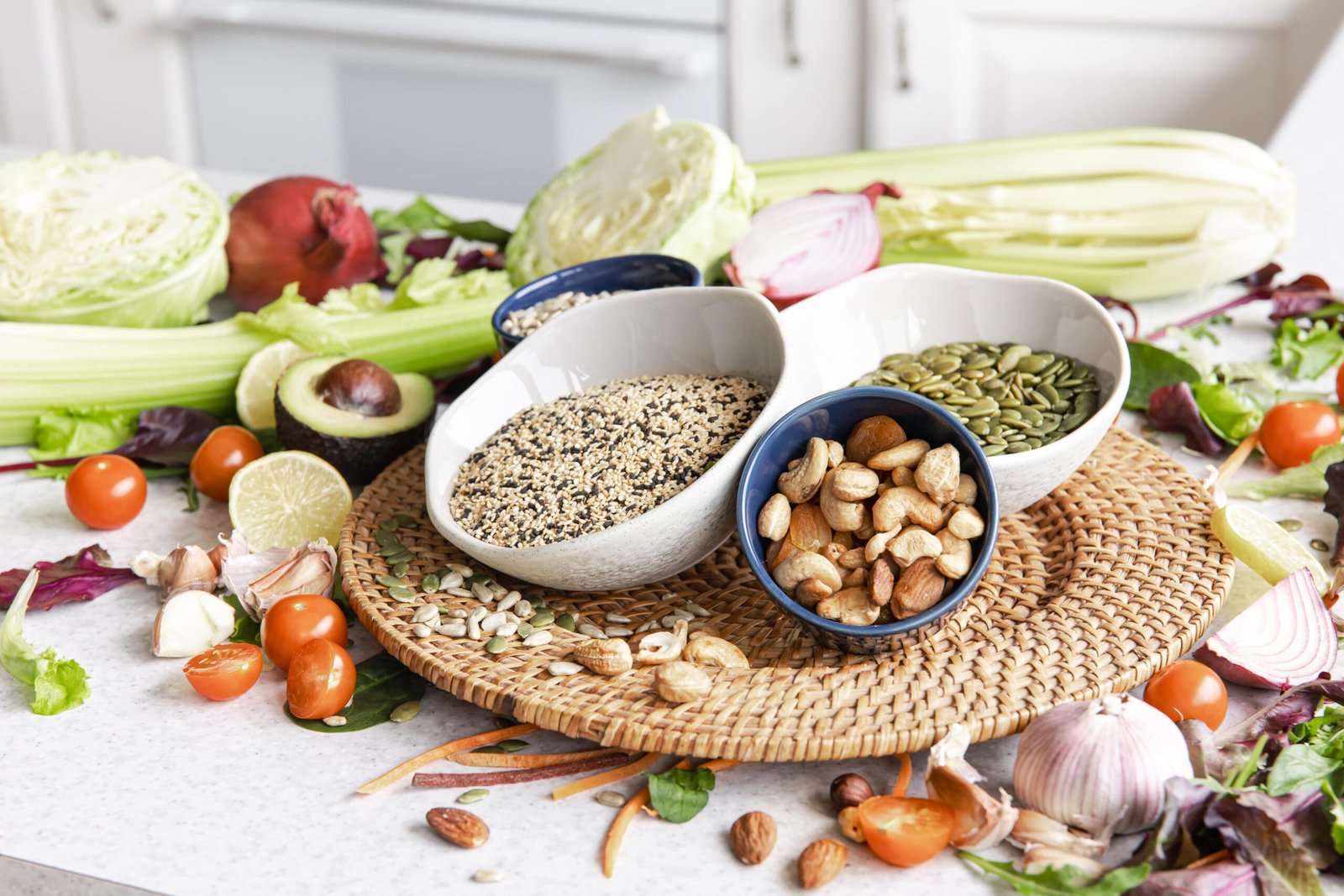
If you’ve ever felt bloated, sluggish, or just “off” after eating, your gut might be trying to tell you something — it needs more fiber.
Fiber is like your digestive system’s personal trainer. It keeps things moving, strengthens your gut bacteria, and even plays a role in your energy and mood. Yet despite being essential, most people around the world eat less than half the amount of fiber recommended daily.
When I first started paying attention to my fiber intake, I noticed something incredible — better digestion, lighter meals, and even more consistent energy levels throughout the day. The best part? These changes came naturally, just by adding a few fiber-rich foods to my diet.
In this guide, we’ll explore the best fiber-rich foods for digestion — backed by science but written in plain, friendly language you can relate to.
Whether you’re trying to improve gut health, manage weight, or simply feel your best, this is your go-to resource for making fiber your digestive system’s best friend.
Table of Contents
Understanding Fiber and Digestion
Before we dive into the top foods, let’s break down what fiber actually is and how it works in your body.
What Is Dietary Fiber?
Dietary fiber is a type of carbohydrate found in plant-based foods that your body can’t digest. Unlike sugars and starches, fiber passes through your digestive tract mostly intact — and that’s a good thing.
There are two main types of fiber:
- Soluble fiber: dissolves in water and forms a gel-like substance. It helps lower cholesterol, stabilizes blood sugar, and keeps you fuller longer. Found in oats, beans, apples, and chia seeds.
- Insoluble fiber: doesn’t dissolve in water. It adds bulk to stool and helps food pass smoothly through your intestines. Found in vegetables, whole grains, and nuts.
Most fiber-rich foods contain a mix of both, which is why variety is key.
How Fiber Improves Digestion
Here’s what happens when you eat enough fiber:
- It feeds the good bacteria in your gut, promoting a balanced microbiome.
- It adds bulk to your stool, preventing constipation.
- It regulates bowel movement, helping both slow and fast digestive systems.
- It aids detoxification by speeding up the elimination of waste and toxins.
In short — fiber keeps your digestive system clean, active, and balanced.
How Much Fiber Do You Really Need?
Most health experts recommend:
- Women: around 25 grams per day
- Men: around 35 grams per day
But remember — it’s not about counting grams, it’s about consistently eating fiber-rich foods every day.
Top Fiber-Rich Foods for Digestion
When it comes to improving digestion naturally, fiber is the star — but not all fiber is created equal. Different foods bring different kinds of fiber and nutrients to the table. The trick is to mix and match a variety to nourish your gut and keep your digestive system running smoothly.
Below are some of the best fiber-rich foods for digestion and gut health, backed by science but easy to understand and even easier to add to your meals.
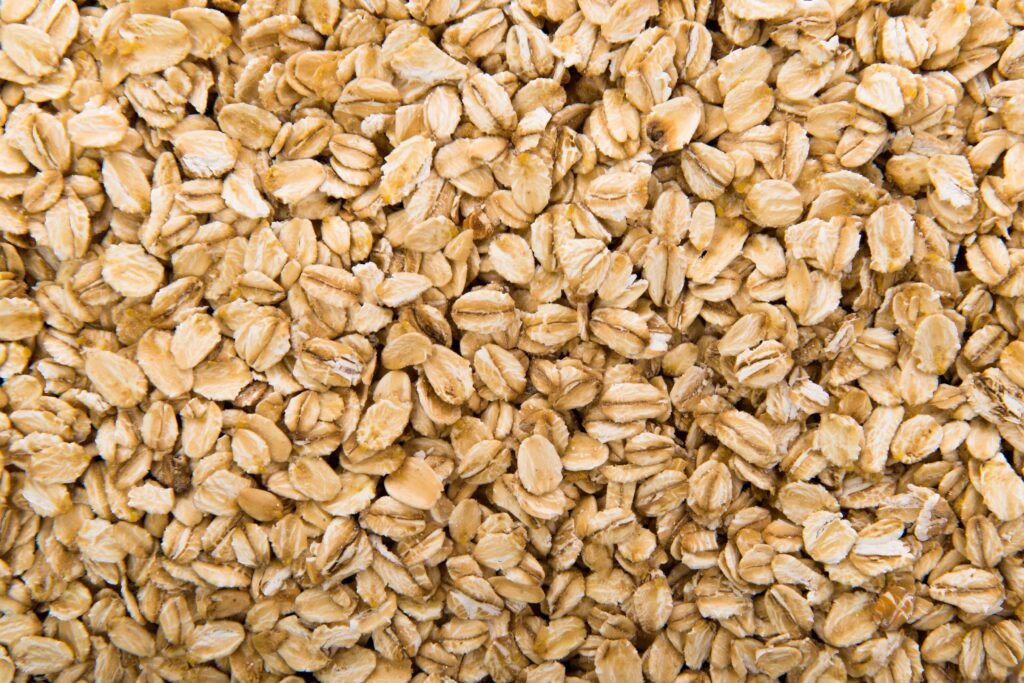
1. Oats – The Gentle Morning Cleanser
Why they’re great:
Oats are one of the most soothing, gut-friendly foods you can start your day with. They’re rich in beta-glucan, a soluble fiber that forms a soft gel in your digestive tract — easing stool passage and feeding good bacteria.
Digestive benefits:
- Promotes regular bowel movement
- Helps balance blood sugar (a key for steady digestion)
- Keeps you full longer, reducing overeating
How to enjoy:
- Overnight oats with chia seeds and berries
- Warm oatmeal topped with banana and cinnamon
- Add oat bran to smoothies for an extra fiber boost
2. Lentils – The Tiny Powerhouses
Why they’re great:
Lentils are one of the most fiber-dense foods on Earth. One cup cooked provides over 15 grams of fiber — nearly half your daily needs! They’re also rich in plant-based protein, iron, and folate, making them a balanced food for vegetarians.
Digestive benefits:
- Stimulates gut motility (keeps your digestive flow regular)
- Supports beneficial gut bacteria
- Helps detoxify the colon naturally
How to enjoy:
- Add to soups, stews, or salads
- Blend into spreads or veggie patties
- Try global favorites: Indian dal, Mediterranean lentil soup
3. Chia Seeds – Small But Mighty
Why they’re great:
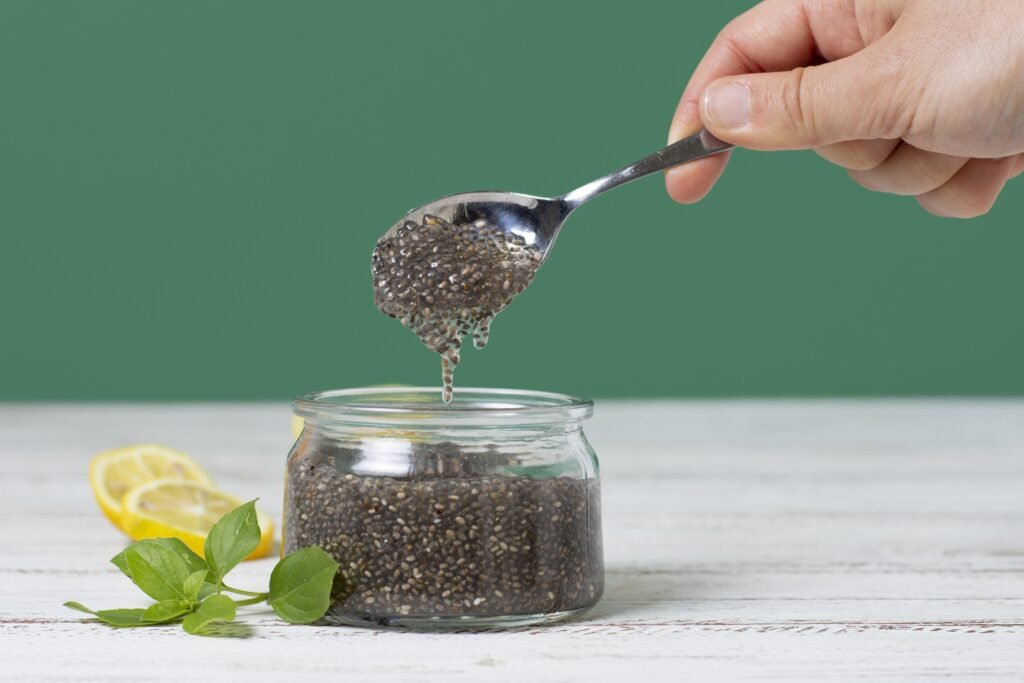
Chia seeds absorb up to 10 times their weight in water, forming a gel-like consistency that’s incredible for digestion. This soluble fiber helps prevent constipation and supports the growth of healthy gut bacteria.
Digestive benefits:
- Gentle on the stomach
- Helps soften stool naturally
- Balances digestion through hydration
How to enjoy:
- Stir into smoothies or yogurt
- Make chia pudding with almond milk
- Sprinkle on oatmeal or toast
4. Flaxseeds – The Gut Lubricator
Why they’re great:
Flaxseeds are rich in both soluble and insoluble fiber, making them one of the best foods for improving digestion. They also contain omega-3 fatty acids that soothe inflammation in the gut.
Digestive benefits:
- Prevents constipation gently
- Supports balanced gut flora
- Reduces bloating and discomfort
How to enjoy:
- Add ground flaxseed to porridge, pancakes, or baked goods
- Mix a tablespoon into smoothies
- Use as an egg replacement in vegan recipes
5. Apples – Nature’s Fiber Snack
Why they’re great:
Apples contain pectin, a type of soluble fiber known to improve gut function and feed beneficial bacteria. The peel also adds a dose of insoluble fiber — a perfect dual action for smooth digestion.
Digestive benefits:
- Aids bowel regularity
- Nourishes gut microbiome
- Supports detox and bloating relief
How to enjoy:
- Eat whole with the skin
- Add slices to salads or oatmeal
- Simmer into homemade applesauce
6. Bananas – The Soothing Fiber
Why they’re great:
Bananas are famous for being gentle on the stomach — and they also provide resistant starch, a prebiotic fiber that feeds good gut bacteria. Perfect for anyone with sensitive digestion.
Digestive benefits:
- Restores balance in the gut microbiome
- Reduces acidity and soothes the stomach
- Ideal for mild constipation or diarrhea recovery
How to enjoy:
- Slice over oats or cereal
- Blend into smoothies
- Eat ripe bananas for quick relief
7. Avocados – Creamy Fiber for the Gut
Why they’re great:
One avocado provides around 10 grams of fiber, plus healthy fats that support gut lining health. Unlike most fruits, avocados contain mostly insoluble fiber, which helps move food efficiently through the intestines.
Digestive benefits:
- Promotes easy bowel movement
- Reduces gut inflammation
- Helps absorb fat-soluble nutrients
How to enjoy:
- Mash on whole-grain toast
- Blend into green smoothies
- Use in salads, tacos, or wraps
8. Broccoli – The Detoxifier
Why they’re great:
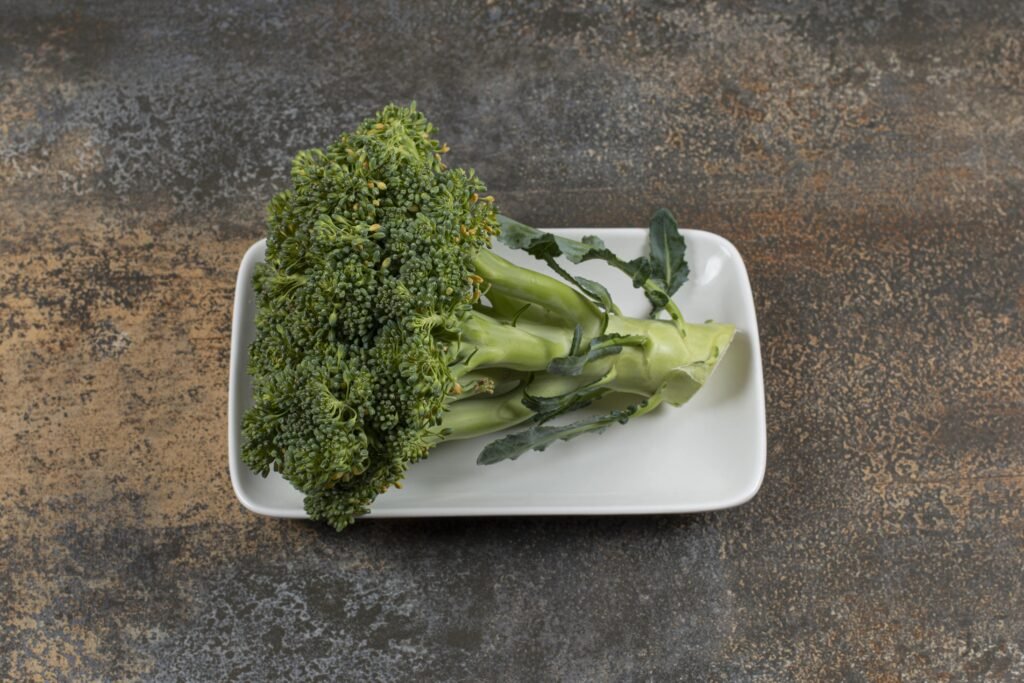
Broccoli is packed with insoluble fiber and a compound called sulforaphane, which supports liver detox and gut cleansing. It also boosts enzymes that help with digestion and nutrient absorption.
Digestive benefits:
- Supports natural detox pathways
- Reduces constipation
- Balances gut pH
How to enjoy:
- Lightly steam or stir-fry
- Toss into pasta or grain bowls
- Add raw florets to salads for crunch
9. Sweet Potatoes – Comfort Food with Fiber
Why they’re great:
Sweet potatoes are rich in insoluble fiber and antioxidants like beta-carotene. Their slow-digesting carbs and natural fiber make them perfect for steady digestion and lasting fullness.
Digestive benefits:
- Soothes the gut lining
- Helps reduce inflammation
- Promotes healthy bowel rhythm
How to enjoy:
- Baked, mashed, or roasted
- Use in Buddha bowls or soups
- Pair with lentils or veggies for fiber synergy
10. Whole Grains – The Steady Digesters
Why they’re great:
Whole grains like brown rice, quinoa, barley, and bulgur provide a balanced blend of soluble and insoluble fiber, supporting both colon health and long-term digestion.
Digestive benefits:
- Promotes regularity
- Provides prebiotic benefits
- Keeps digestion balanced
How to enjoy:
- Replace white rice with brown or red rice
- Make quinoa salads or bowls
- Try barley soups for extra fiber
How to Add More Fiber Without Causing Discomfort
We all know fiber is great for digestion, but here’s something most people don’t talk about — adding too much fiber too quickly can backfire. Gas, bloating, and stomach cramps are your gut’s way of saying, “Whoa, slow down!”
The goal isn’t to eat every fiber-rich food overnight — it’s to ease into a balanced, fiber-friendly lifestyle that your body can adapt to naturally.
Here’s how to do it right
1. Increase Fiber Gradually
If you’re currently eating low-fiber foods, suddenly switching to high-fiber meals can shock your digestive system.
Instead:
- Add one new fiber food every 2–3 days.
- Start with gentle fibers like oats, apples, or bananas.
- Give your gut bacteria time to adjust.
When you increase fiber gradually, your digestion improves without the uncomfortable side effects.
2. Hydration Is Key
Fiber works best when it has enough water to move through your digestive tract. Without hydration, fiber can actually make constipation worse.
Aim for:
- At least 2 liters (8 cups) of water daily
- Herbal teas like peppermint or ginger to aid digestion
- Water-rich foods (like cucumber, melon, and oranges)
Think of water as the partner to fiber — one keeps things moving, the other keeps things soft and easy.
3. Mix Soluble and Insoluble Fiber
Variety is key. Soluble fiber soothes and slows digestion, while insoluble fiber gives it that healthy push.
Try balancing both throughout the day:
- Morning: Oats or chia seeds (soluble)
- Lunch: Whole grains and lentils (mixed)
- Dinner: Leafy greens and veggies (insoluble)
This blend helps your gut work efficiently without discomfort.
4. Eat Fiber Consistently — Not All at Once
Cramming all your fiber into one meal doesn’t help digestion. It’s better to spread it across the day, so your digestive system stays steady.
Try this rhythm:
- Breakfast: Oats with fruit
- Lunch: Lentil or chickpea salad
- Snack: Nuts or fruit
- Dinner: Veggie stir-fry or brown rice bowl
Regular intake keeps your metabolism balanced and prevents that “too full” feeling.
5. Pair Fiber with Probiotics
Fiber feeds the bacteria already in your gut — but probiotics add more “good guys” to the mix. When they work together, your gut health can improve dramatically.
- Yogurt and kefir
- Kimchi and sauerkraut
- Kombucha
- Miso or tempeh
Pairing a probiotic yogurt with a high-fiber breakfast is one of the simplest gut-boosting combos you can create.
6. Move Your Body
Yes — movement helps digestion! A gentle walk after meals encourages bowel movement and reduces bloating.
Simple habits that make a big difference:
- 10–15 minute walks after lunch or dinner
- Stretching or yoga poses like “Wind-Relieving Pose”
- Staying upright after meals (no lying down right away)
Fiber-Rich Breakfast Ideas for Smooth Digestion
- Overnight Oats with Chia & Berries
- Combine oats, chia seeds, almond milk, and fresh berries.
- Let soak overnight — it’s ready when you wake up!
- Avocado Toast on Whole-Grain Bread
- Top with sliced tomato and a sprinkle of flaxseed.
- Banana Smoothie Bowl
- Blend banana, spinach, and yogurt; top with granola and seeds.
Lunchtime Fiber Boosts
- Lentil & Quinoa Salad
- Toss with cucumber, spinach, olive oil, and lemon juice.
- Veggie Burrito Bowl
- Brown rice, black beans, corn, and roasted sweet potato.
- Broccoli & Chickpea Stir-Fry
- A quick, high-fiber, protein-packed meal that’s gentle on the gut.
Dinner for Gut Health
- Baked Salmon with Roasted Veggies
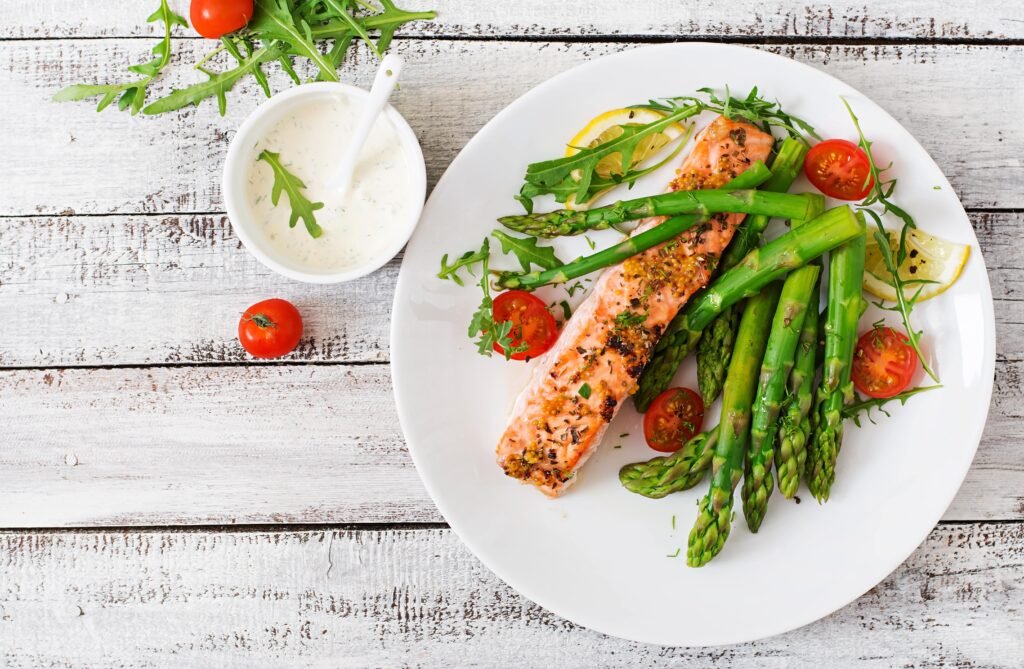
- Add asparagus, carrots, and a side of quinoa for extra fiber.
- Vegetable Curry with Brown Rice
- Use lentils or chickpeas for a filling, fiber-rich base.
- Sweet Potato & Spinach Bowl
- Comforting, antioxidant-rich, and easy on digestion.
Conclusion — Nourish Your Gut, Nourish Your Life
Good digestion isn’t just about what happens in your stomach — it’s the foundation of your overall wellbeing. From energy and immunity to mood and metabolism, everything begins in the gut.
Adding fiber to your diet isn’t about perfection or restriction. It’s about small, consistent choices that your body will thank you for. Whether it’s a bowl of oatmeal in the morning, a handful of berries in the afternoon, or a lentil curry for dinner — every bite helps your digestive system work the way it’s meant to.
Think of fiber as your daily act of self-care. It’s simple, natural, and deeply powerful.
So the next time you prepare a meal, ask yourself: How can I add just one more source of fiber today?
Your gut will respond with gratitude — and your body will show it through better energy, smoother digestion, and a lighter, happier you.
Frequently Asked Questions About Fiber and Digestion
1. How does fiber actually help with digestion?
Fiber adds bulk to your stool, keeps bowel movements regular, and feeds the good bacteria that live in your gut. Soluble fiber (from oats, fruits, and beans) forms a gel that slows digestion slightly — helping nutrients absorb evenly — while insoluble fiber (from veggies, grains, and seeds) keeps things moving smoothly.
2. What happens if I don’t eat enough fiber?
Without enough fiber, digestion can slow down — leading to constipation, bloating, and even imbalances in gut bacteria. Over time, low fiber intake can also increase risks of blood sugar spikes and poor metabolic health.
3. Can I get enough fiber from supplements?
Fiber supplements can help in a pinch, but whole foods are always better. Natural fiber foods like oats, lentils, fruits, and veggies come with extra vitamins, minerals, and antioxidants that supplements can’t replicate.
4. What’s the best time to eat high-fiber foods?
Anytime — as long as you space it throughout the day. Many people find fiber-rich breakfasts (like oatmeal or chia pudding) set a great tone for digestion all day long. Evening meals can include lighter fibers like cooked veggies or lentils for easier digestion overnight.
5. Can too much fiber be harmful?
Yes — if you suddenly eat a lot of fiber without enough water, it can cause gas or bloating. That’s why it’s important to increase fiber gradually and drink plenty of fluids.
6. What are some quick, easy ways to eat more fiber daily?
- Swap white rice for brown rice or quinoa
- Snack on fruits instead of chips
- Add chia or flaxseed to smoothies
- Include a serving of beans or lentils with lunch or dinner
- Keep nuts or roasted chickpeas handy
These small habits can double your daily fiber intake effortlessly.
7. Does fiber help with weight management too?
Absolutely! High-fiber foods keep you feeling full longer, which reduces cravings and overeating. They also support healthy blood sugar levels and metabolism — both essential for sustainable weight balance.