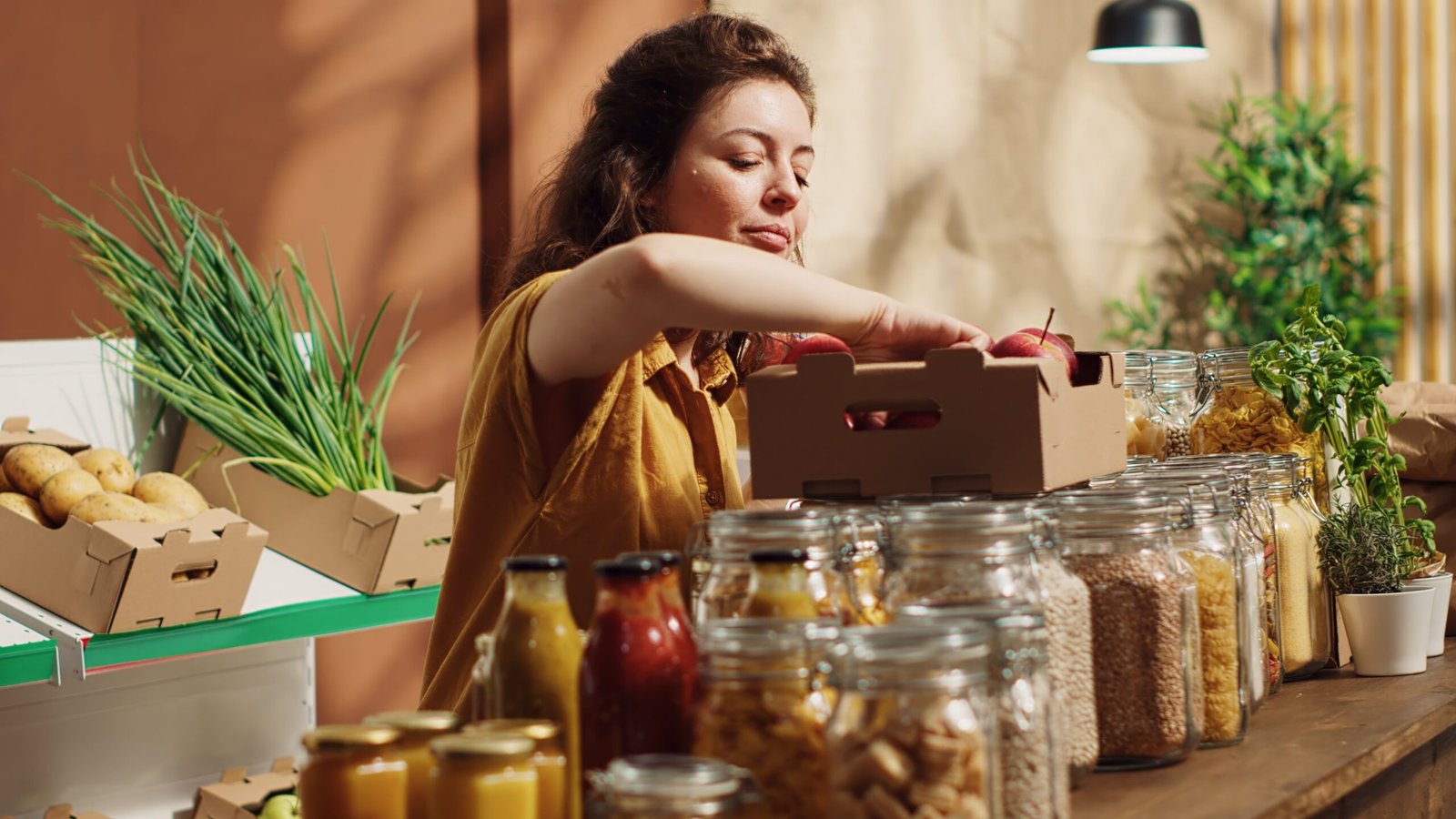
If there’s one thing I’ve learned about eating better, it’s that real change begins in your pantry — not your diet plan.
I remember the day I decided to “eat clean.” I filled my cart with kale, quinoa, and almond milk… but when I got home, my pantry was still stocked with sugary cereals, white flour, and shelf-stable sauces filled with ingredients I couldn’t pronounce. No wonder I kept reaching for the same old foods — my environment was working against me.
That’s when I realized: you don’t need to overhaul your entire lifestyle overnight. You just need to start with a few smart swaps.
Cleaner eating isn’t about restriction — it’s about replacing what no longer serves your body with foods that make you feel good, energized, and alive. These 10 simple pantry swaps can help you transform your kitchen into a space that supports better choices every single day.
Let’s take a peek inside your pantry and make it work for you, not against you.
Table of Contents
Why Cleaner Eating Starts in Your Pantry

Think of your pantry as the foundation of your eating habits. Every snack, every quick dinner, every sweet craving — it all starts with what’s available within reach.
Unfortunately, many traditional pantry staples are filled with refined flours, processed oils, added sugars, and preservatives. These ingredients aren’t just empty calories — they can trigger inflammation, energy crashes, and even cravings that make healthy eating harder than it needs to be.
The good news? Cleaner eating doesn’t mean spending more money or hours in the kitchen. It’s about swapping out the overly processed stuff for real, wholesome alternatives that actually taste better and keep you satisfied longer.
Ready to refresh your shelves? Here are 10 pantry swaps for cleaner eating that are practical, delicious, and family-friendly.
1. Swap White Flour for Almond or Oat Flour
If you bake often, white flour is probably one of your most-used ingredients. But here’s the catch: refined white flour has been stripped of its fiber, protein, and nutrients — leaving behind a fast-digesting carb that spikes your blood sugar and leaves you hungry an hour later.
Cleaner Swap:
- Almond flour — rich in healthy fats, protein, and vitamin E.
- Oat flour — high in fiber and gluten-free (if made from certified oats).
Why it’s better:
These flours offer a more balanced macronutrient profile and keep you fuller for longer. Plus, they add a deliciously nutty or hearty flavor to baked goods.
How to use:
Replace 1 cup of white flour with about ¾ cup of almond flour or 1 cup of oat flour (depending on texture preference).
Pro tip: You can make oat flour at home — just blend rolled oats until fine. It’s affordable, simple, and ideal for pancakes, muffins, and even thickening soups.
2. Trade Vegetable Oil for Avocado or Olive Oil
Refined vegetable oils (like canola, corn, and soybean oil) may sound harmless, but most are highly processed and stripped of natural nutrients. They often contain trans fats and omega-6 fatty acids that promote inflammation.
Cleaner Swap:
- Avocado oil — best for high-heat cooking.
- Extra virgin olive oil — perfect for salads, sautés, and finishing dishes.
Why it’s better:
These oils are cold-pressed, meaning they retain their natural antioxidants, vitamin E, and heart-healthy fats. They also help improve cholesterol balance and reduce inflammation.
How to use:
- Sauté veggies in olive oil instead of vegetable oil.
- Use avocado oil when roasting or grilling (it has a high smoke point).
- Drizzle olive oil over salads or mix it into homemade dressings.
Pro tip: Look for oils in dark glass bottles — they’re less likely to oxidize and lose quality over time.
3. Replace White Sugar with Coconut Sugar or Raw Honey
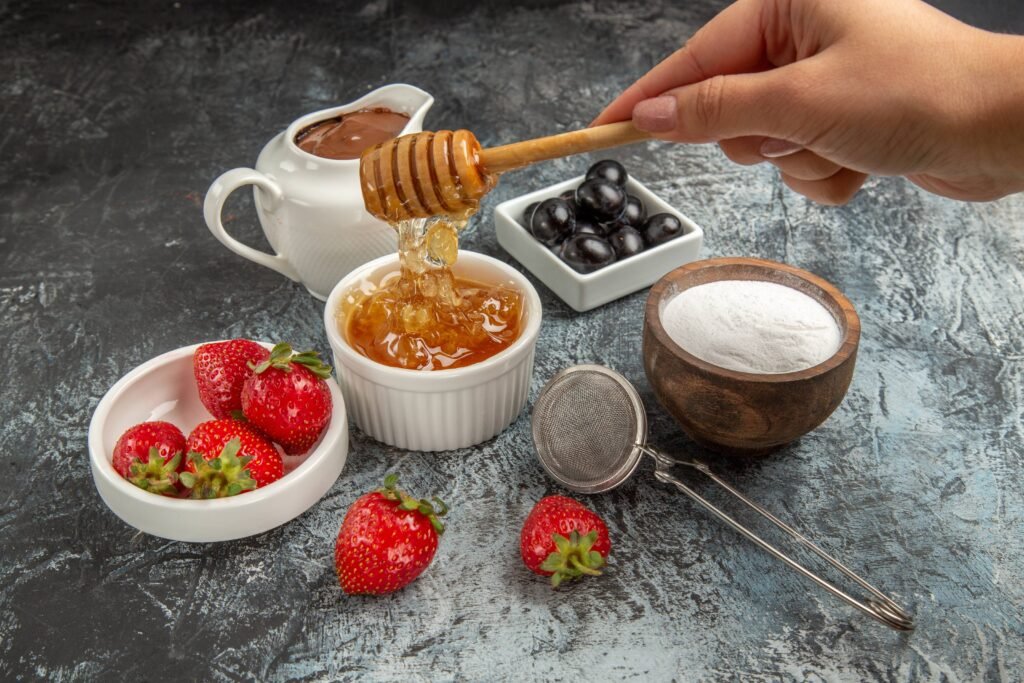
Let’s be honest — sugar is everywhere. It sneaks into sauces, cereals, snacks, and even “healthy” granola bars. Over time, refined white sugar can contribute to energy crashes, weight gain, and inflammation.
Cleaner Swap:
- Coconut sugar — lower glycemic index, rich in trace minerals.
- Raw honey — natural, antibacterial, and antioxidant-rich.
Why it’s better:
These natural sweeteners are less processed and contain small amounts of vitamins and minerals. They also add deeper flavor — caramel-like in coconut sugar and floral in honey.
How to use:
- Use coconut sugar 1:1 in place of white sugar for baking.
- Stir raw honey into oatmeal, tea, or dressings.
Pro tip: Always choose raw or unfiltered honey — most commercial honeys are heat-treated, which destroys beneficial enzymes.
4. Ditch Processed Cereals for Rolled Oats or Homemade Granola
If your mornings start with a colorful box of cereal, you’re not alone. But most breakfast cereals are loaded with added sugars and artificial ingredients that leave you hungry again before lunch.
Cleaner Swap:
- Old-fashioned rolled oats — full of fiber and naturally gluten-free.
- Homemade granola — customizable and free from refined sugars.
Why it’s better:
Rolled oats are one of the most versatile pantry staples for clean eating. They stabilize blood sugar, support digestion, and keep you full for hours. Homemade granola gives you full control over ingredients — no hidden sugars or processed oils.
How to use:
- Make overnight oats with almond milk, chia seeds, and berries.
- Bake your own granola with oats, nuts, seeds, and a drizzle of honey.
- Use oats to create healthy pancakes or energy bites.
Pro tip: Always check cereal labels. Even “whole-grain” or “natural” cereals can have up to 15 grams of sugar per serving!
5. Switch Canned Soups for Homemade or Low-Sodium Options
Canned soups are convenient, but many are loaded with excess sodium, preservatives, and artificial flavors. A single serving can contain your entire day’s worth of salt — and let’s be real, who stops at one serving?
Cleaner Swap:
- Homemade soups made in bulk and frozen for later.
- Low-sodium or organic canned soups with short ingredient lists.
Why it’s better:
You control every ingredient — the salt, the oil, the quality of the veggies and protein. Homemade soups are also a great way to reduce food waste by using leftover produce.
How to use:
- Try making a big pot of lentil soup, minestrone, or chicken vegetable soup on Sunday and freeze in portions.
- If buying canned, look for “BPA-free” and “no added sugar” labels.
Pro tip: Add fresh herbs and a splash of olive oil to elevate any store-bought soup.
6. Replace Regular Pasta with Whole Grain or Chickpea Pasta
For many families, pasta night is sacred. But refined white pasta — though comforting — offers little nutritional value. It’s low in fiber and protein, and it digests so quickly that you’re hungry again soon after eating.
Cleaner Swap:
- Whole-grain pasta — adds fiber and essential nutrients.
- Chickpea or lentil pasta — high in protein, gluten-free, and perfect for plant-based diets.
Why it’s better:
Whole-grain and legume-based pastas are nutrient-dense, helping you feel fuller longer while supporting gut health. Plus, their mild nutty flavor pairs beautifully with your favorite sauces.
How to use:
Cook chickpea pasta for one to two minutes less than package instructions to keep it al dente. Toss with olive oil, fresh herbs, and roasted veggies for a protein-packed meal.
Pro tip: Start by mixing half regular pasta with half whole-grain pasta if your family is hesitant — it helps with the transition in both flavor and texture.
7. Swap Store-Bought Dressings for Homemade Vinaigrettes
Bottled salad dressings might seem like a healthy choice — after all, they’re often labeled “light” or “made with olive oil.” But flip that bottle over, and you’ll usually find a long list of additives, cheap oils, and hidden sugars.
Cleaner Swap:
- Homemade vinaigrettes using olive oil, lemon juice, and herbs.
- Greek yogurt-based dressings for creamy options without excess fat.
Why it’s better:
Making dressings at home gives you control. You can use real ingredients, skip the preservatives, and adjust the flavor exactly how you like it. Plus, it takes less than five minutes!
How to use:
Whisk together 3 parts olive oil, 1 part vinegar (or lemon juice), a spoon of mustard, salt, and pepper. Add honey or garlic for flavor variations.
Pro tip: Store homemade dressings in a small mason jar for up to a week — just shake before using.
8. Trade Table Salt for Sea Salt or Himalayan Pink Salt
Salt isn’t the enemy — refined salt is. Traditional table salt often contains anti-caking agents and has been stripped of trace minerals.
Cleaner Swap:
- Himalayan pink salt — rich in over 80 minerals, including potassium and magnesium.
- Sea salt — naturally sourced and less processed.
Why it’s better:
These natural salts not only enhance flavor but also provide trace minerals that support hydration and nerve function. They’re a cleaner, more natural alternative — though moderation is still key.
How to use:
Use sea salt in everyday cooking and Himalayan salt for finishing dishes.
Pro tip: Try flaked sea salt for a gourmet touch on roasted veggies or dark chocolate desserts.
9. Replace Snack Chips with Air-Popped Popcorn or Roasted Chickpeas
When the mid-afternoon snack craving hits, chips are often the go-to. But traditional chips are fried in refined oils and packed with sodium.
Cleaner Swap:
- Air-popped popcorn — whole grain, low in calories, and satisfying.
- Roasted chickpeas — crunchy, high in protein and fiber.
Why it’s better:
Both options provide real nutrition instead of empty calories. Popcorn (when air-popped and lightly seasoned) is one of the best clean snacks out there. Roasted chickpeas add plant-based protein and crunch without the guilt.
How to use:
Season popcorn with olive oil spray and sea salt instead of butter. For chickpeas, toss canned chickpeas with olive oil and spices, then roast at 400°F for 25–30 minutes.
Pro tip: Try cinnamon popcorn for a sweet treat or spicy chickpeas for a savory crunch.
10. Switch Soda for Sparkling Water with Fruit or Herbal Infusions

Soda might give you a quick sugar rush, but it also contributes to fatigue, bloating, and sugar crashes. Even diet sodas can disrupt your metabolism and gut health due to artificial sweeteners.
Cleaner Swap:
- Sparkling water with fresh fruit (like lemon, berries, or cucumber).
- Herbal infusions or iced green tea for natural flavor.
Why it’s better:
You still get that refreshing fizz without the artificial junk. Sparkling water hydrates your body and supports digestion — a win-win.
How to use:
Add a few slices of citrus, mint leaves, or a splash of 100% juice to sparkling water. Experiment with flavor combos: lime + basil, strawberry + mint, or orange + cinnamon.
Pro tip: Freeze fruit slices into ice cubes for a colorful, flavorful twist.
How to Make These Pantry Swaps Stick
Changing how you eat isn’t about willpower — it’s about setting yourself up for success. Here’s how to make your clean pantry upgrades last long-term:
1. Start Small
Don’t toss everything at once. Pick 2–3 swaps per week and slowly build momentum.
2. Shop Smart
Make a clean eating grocery list before heading to the store. Focus on minimally processed, single-ingredient foods.
3. Read Labels Like a Pro
Avoid items with long ingredient lists, added sugars, and seed oils. If you can’t pronounce it — skip it.
4. Organize Your Pantry
Keep your clean ingredients visible and accessible. Store nuts, seeds, and grains in glass jars for freshness.
5. Get the Family Involved
Kids love helping in the kitchen — let them mix, pour, and taste-test healthier versions of their favorites.
6. Focus on Progress, Not Perfection
Clean eating isn’t about being perfect — it’s about consistency. Every small swap adds up.
Clean Pantry Essentials Checklist
Here’s a quick clean eating pantry checklist to help you stock up on the right foods:
✅ Whole grains (brown rice, quinoa, oats)
✅ Natural sweeteners (honey, maple syrup, coconut sugar)
✅ Healthy oils (olive oil, avocado oil)
✅ Nut butters (peanut, almond, cashew — with no added sugar)
✅ Canned beans (low sodium)
✅ Herbs & spices (turmeric, cinnamon, paprika, garlic powder)
✅ Sea salt or Himalayan pink salt
✅ Nuts & seeds (chia, flaxseed, almonds, walnuts)
✅ Whole-grain pasta or chickpea pasta
✅ Low-sodium broths or homemade stock
✅ Green or herbal teas
✅ Sparkling water and fresh fruit for flavor
Final Thoughts: Clean Eating Made Simple
Cleaner eating doesn’t have to be complicated, expensive, or restrictive. It’s about making mindful choices that serve your body and mind — one pantry swap at a time.
You don’t need to give up your favorite meals; just upgrade your ingredients. Each small change — from switching oils to choosing whole grains — builds a foundation for lasting health.
Start today. Pick one swap that feels doable and run with it. Over time, these simple decisions will become habits that nourish you from the inside out.
Your pantry is more than a shelf of ingredients — it’s the heart of your home and the foundation of your wellbeing. Fill it with foods that make you feel alive, energized, and confident.
FAQs About Cleaner Eating and Pantry Swaps
1. What’s the easiest pantry swap to start with?
Start with oils and sweeteners. Switching from vegetable oil to olive oil and from white sugar to honey or coconut sugar makes a big impact without changing your entire routine.
2. Is clean eating expensive?
Not at all! While some specialty items cost more, clean eating focuses on simple, whole ingredients — grains, beans, produce, and healthy fats — which are budget-friendly and last longer.
3. How can I get my kids to enjoy clean snacks?
Make it fun! Try fruit skewers, homemade popcorn, or yogurt parfaits. When kids are involved in the prep, they’re more likely to eat what they helped create.
4. What’s the difference between clean eating and dieting?
Clean eating isn’t about restriction — it’s a lifestyle. It focuses on nutrient-rich, minimally processed foods that fuel your body naturally. There’s no counting calories or cutting out entire food groups.
5. How do I maintain motivation for clean eating long-term?
Set realistic goals, plan ahead, and allow flexibility. Remember — it’s about progress, not perfection. Celebrate every small improvement.