Walk through any grocery store and you’ll see two worlds on display.
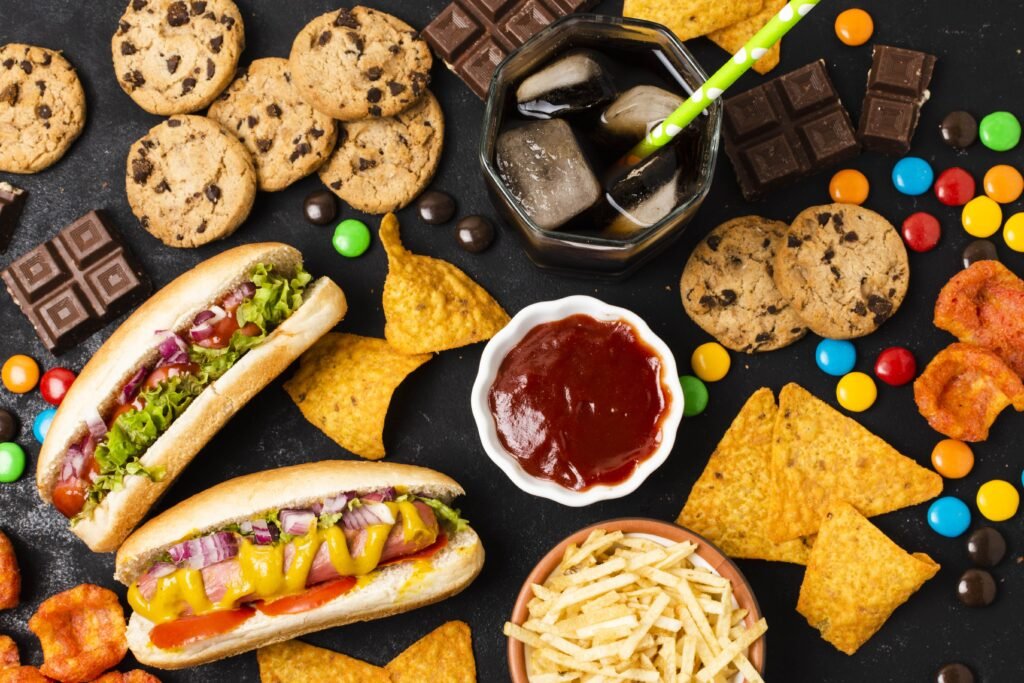
One aisle is packed with brightly colored boxes, shelf-stable snacks, and frozen dinners that promise convenience and flavor.
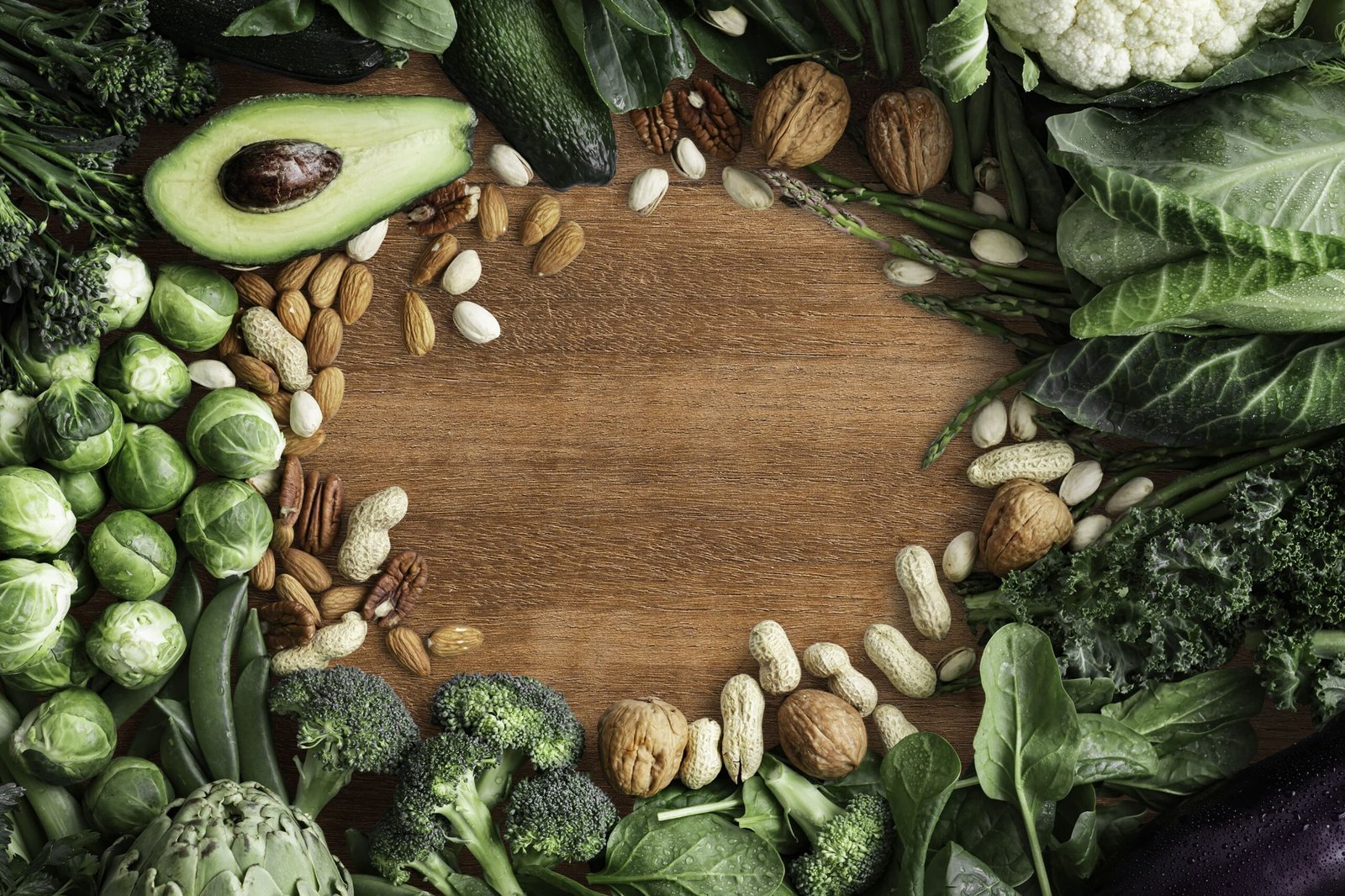
Another section is filled with earthy tones — fruits, vegetables, grains, and foods that look much like they did in nature.
Both feed you.
But only one truly nourishes your gut.
In the last decade, gut health has gone from a scientific niche to a mainstream obsession — and for good reason. Your gut isn’t just where food digests; it’s home to trillions of microorganisms, collectively called the gut microbiome, that influence everything from your immune system to your mood.
Yet, the kind of food we eat — whether it’s processed or natural — can dramatically shape the health of that inner ecosystem.
This post dives deep into the science behind how processed foods affect your gut, how natural foods support it, and how you can find balance in a modern world where convenience often wins over nutrition.
Table of Contents
What Does “Processed Food” Actually Mean?
Let’s clear up one common misconception: not all processed food is bad.
The term “processed” simply means any food that’s been changed from its original form, whether by cooking, freezing, canning, or adding preservatives.
There are different levels of food processing:
- Minimally processed foods – cleaned, cut, or frozen but still close to natural (like frozen vegetables or rolled oats).
- Processed foods – have added ingredients like salt, sugar, or oil (like bread, cheese, or yogurt).
- Ultra-processed foods – heavily altered with additives, artificial flavors, emulsifiers, and preservatives (like chips, instant noodles, or sugary cereals).
It’s this ultra-processed category that’s been repeatedly linked to poor gut health.
Why? Because your gut bacteria thrive on fiber, polyphenols, and nutrients from whole foods — not refined sugars, artificial ingredients, and industrial oils.
A growing body of research, including a 2023 review in Nature Reviews Gastroenterology & Hepatology, shows that diets high in ultra-processed foods can disrupt the gut microbiome, increasing inflammation and altering the balance of beneficial vs. harmful bacteria.
In contrast, natural and minimally processed foods nourish those microbes, helping your gut produce beneficial compounds like short-chain fatty acids (SCFAs) that support digestion, immunity, and even mental health.
Understanding the Gut Microbiome – Your Inner Garden
Think of your gut as a lush garden.
Every bite you take either feeds the flowers (good bacteria) or invites weeds (bad bacteria).
Your gut microbiome is an ecosystem of bacteria, fungi, and other microorganisms living primarily in your large intestine. These tiny residents help:
- Break down fiber and complex carbs
- Produce vitamins like B12 and K
- Regulate the immune system
- Communicate with your brain through the gut-brain axis
But when the “weeds” (harmful bacteria) overgrow — a condition known as gut dysbiosis — problems like bloating, fatigue, poor immunity, and even anxiety can follow.
What drives this imbalance more than anything?
👉 Diet.
Your gut bacteria adapt quickly to what you eat. A diet full of ultra-processed foods can start altering your microbiome within days, reducing bacterial diversity — one of the key markers of gut health.
How Processed Foods Affect Your Gut (and Why It Matters)
Ultra-processed foods tend to have three major gut health enemies:
1. Lack of Fiber
Fiber is your gut bacteria’s favorite fuel. Without it, beneficial microbes starve and harmful ones take over. Processed foods strip away this essential nutrient during manufacturing.
2. Artificial Additives
Many processed foods contain emulsifiers, preservatives, and artificial sweeteners. Studies show these can disrupt gut barrier integrity, leading to leaky gut syndrome and low-grade inflammation.
3. High Sugar and Unhealthy Fats
Excess sugar feeds harmful bacteria and yeast, creating an imbalance. Meanwhile, trans fats and refined oils increase inflammation and reduce beneficial bacterial populations.
One landmark study published in Cell Metabolism found that people consuming ultra-processed diets ate 500 more calories per day — not just because of taste, but because processed foods interfere with gut-brain signaling that tells you when you’re full.
So, it’s not just about calories — it’s about how your gut interprets what you eat.
The Science and the Story Behind Gut Healing
Scientific Studies: What Research Really Says About Gut Health and Processed Foods
In recent years, gut health has become one of the hottest topics in nutritional science. And for good reason — your microbiome isn’t just a passive passenger; it’s an active organ that influences how your entire body functions.
Research has shown that people who eat mostly natural, minimally processed foods have greater microbial diversity, better metabolism, and stronger immunity compared to those who rely on ultra-processed diets.
Here are some key studies that bring the science to life:
1. The NOVA Food Classification and Gut Health
The NOVA classification (developed by Brazilian researchers) divides foods into four groups based on processing. Ultra-processed foods are those with additives, artificial flavors, and chemical preservatives. Studies using the NOVA system have repeatedly shown that high consumption of ultra-processed foods correlates with obesity, inflammation, and gut dysbiosis.
2. The American Gut Project
One of the largest microbiome studies ever conducted, the American Gut Project, found that people who ate 30 or more different plant foods per week had significantly higher gut diversity than those who ate fewer than 10.
That doesn’t mean you need a jungle in your fridge — it simply suggests that variety in natural foods is crucial for feeding diverse gut bacteria.
3. Additives and Artificial Sweeteners
A 2021 Nature study showed that common food additives like carboxymethylcellulose and polysorbate-80, used in many packaged foods, can alter gut mucus layers and increase inflammation in animal models. Similarly, artificial sweeteners like aspartame and sucralose have been linked to gut microbiome imbalance and even glucose intolerance.
4. Fermented Foods and the Microbiome
On the bright side, a 2021 Cell study revealed that eating fermented foods (like kimchi, kefir, and yogurt) increased microbiome diversity and reduced inflammatory markers in just 10 weeks.
In short:
Processed foods can damage the gut microbiome.
Natural and fermented foods help restore it.
The Gut-Healing Natural Foods List
Here’s a detailed guide to natural foods that support gut health, ranked by their benefits and backed by research.
These “fertilizers” feed your good gut bacteria.
- Garlic
- Onions
- Leeks
- Bananas (especially slightly green ones)
- Asparagus
- Chicory root
- Oats
2. Probiotic Foods
These contain live beneficial bacteria that replenish your microbiome.
- Yogurt with live cultures
- Kefir
- Sauerkraut
- Kimchi
- Miso
- Tempeh
- Kombucha
Fiber is the foundation of gut health. Aim for at least 25–35 grams per day.
- Lentils, chickpeas, and beans
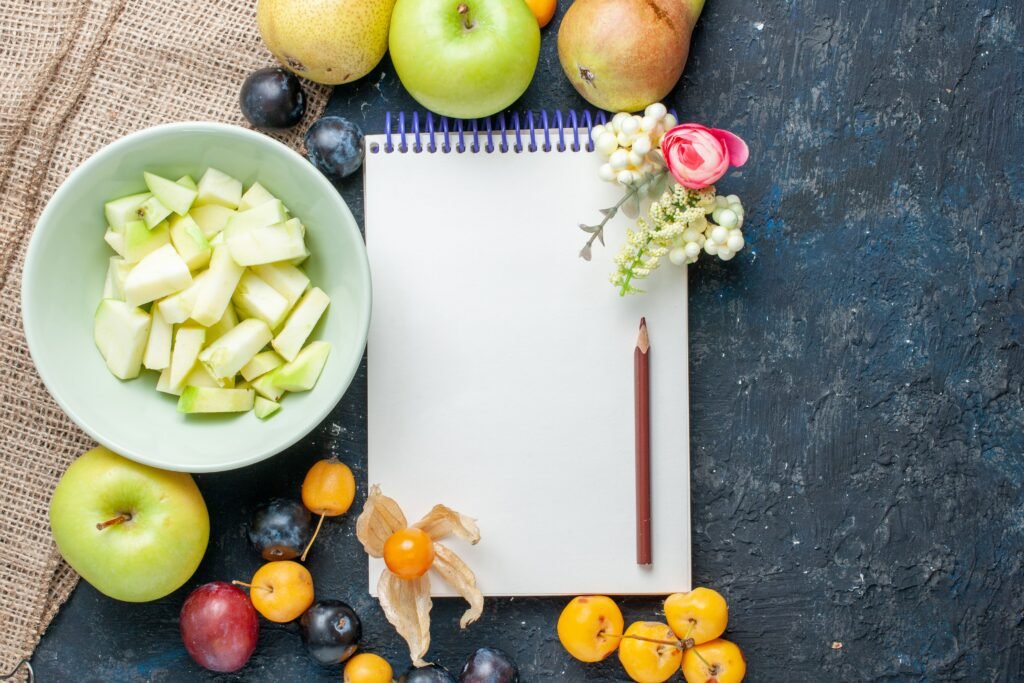
- Apples, pears, and berries
- Chia seeds and flaxseeds
- Whole grains like quinoa and brown rice
4. Polyphenol-Rich Foods
Polyphenols are antioxidants that fuel beneficial gut bacteria and reduce inflammation.
- Green tea
- Dark chocolate (85%+ cocoa)
- Berries
- Olive oil
- Red grapes
5. Gut-Soothing Foods
These calm inflammation and support gut barrier healing.
- Bone broth
- Ginger
- Turmeric
- Aloe vera juice (in moderation)
- Peppermint tea
Why Natural Foods Work Better for Digestion
When you eat real, whole foods, your gut microbes get what they evolved with — complex fibers, natural sugars, and bioactive compounds that work synergistically.
In contrast, ultra-processed foods are stripped of these nutrients and often contain ingredients the microbiome can’t recognize or process properly.
The result? Inflammation, bloating, and poor nutrient absorption.
Think of it like this:
- Natural foods nurture your gut.
- Processed foods numb it.
Finding Balance + 7-Day Gut Health Meal Plan
The Balance Approach: Can You Still Eat Processed Foods?
Let’s be honest — it’s nearly impossible to live completely free of processed foods in today’s world. Even the healthiest eaters sometimes enjoy a packaged snack, a jarred sauce, or a restaurant meal.
The truth is, not all processed foods are harmful. Some are simply modified for safety, storage, or convenience — think of frozen vegetables, canned beans, or whole-grain bread. These still provide plenty of nutrition and fiber.
The key lies in recognizing the difference between processed and ultra-processed:
| Type | Examples | Gut Impact |
|---|---|---|
| Minimally Processed | Washed spinach, frozen berries, roasted nuts | Still nutrient-dense and gut-friendly |
| Processed | Whole-grain pasta, yogurt, canned tomatoes | Moderately changed; usually fine for gut health |
| Ultra-Processed | Candy, soft drinks, instant noodles, chips | Low fiber, high sugar, disrupts microbiome |
Here’s a realistic mindset:
Don’t aim for perfection — aim for progress and consistency.
If 80–90% of your meals come from whole, natural foods, your gut will stay resilient enough to handle the occasional processed indulgence.
Practical Tips to Improve Gut Health Naturally

Building a gut-healthy lifestyle doesn’t mean radical diets. It’s about daily choices that add up over time.
1. Eat the Rainbow
The more colorful your plate, the more diverse your gut microbiome. Different plant pigments feed different bacteria — so mix it up!
2. Go Slow on Sugar and Alcohol
Both can disrupt the gut barrier and feed harmful bacteria. Try natural sweeteners like dates or honey instead.
3. Hydrate Intentionally
Water helps fiber do its job by moving waste smoothly through your intestines. Herbal teas like ginger or peppermint add gut-soothing benefits.
4. Manage Stress
Your gut and brain talk constantly through the gut-brain axis. Chronic stress changes gut bacteria composition, so integrate meditation, yoga, or simply mindful breathing daily.
5. Move Your Body
Exercise increases microbial diversity and promotes healthy digestion. Even a 30-minute walk after meals can improve gut motility.
6. Sleep and Circadian Rhythm
Poor sleep disrupts digestion and gut bacteria. Aim for 7–9 hours per night and consistent sleep times.
7. Limit Antibiotic Overuse
Only use antibiotics when necessary. They wipe out both harmful and beneficial bacteria, sometimes leading to long-term imbalance.
7-Day Gut Health Meal Plan
This plan balances natural, fiber-rich, and fermented foods while keeping prep realistic — great for readers searching “healthy gut diet plan” or “gut-healing foods list.”
Day 1
Breakfast: Overnight oats with chia seeds, almond milk, and blueberries
Lunch: Lentil and veggie soup with olive oil drizzle
Snack: Greek yogurt with honey and walnuts
Dinner: Grilled salmon, quinoa, and steamed broccoli
Drink: Green tea
Day 2
Breakfast: Scrambled eggs with spinach and avocado toast
Lunch: Quinoa salad with chickpeas, cucumber, and lemon-tahini dressing
Snack: Apple slices with peanut butter
Dinner: Stir-fried tofu and mixed vegetables with brown rice
Drink: Kombucha
Day 3
Breakfast: Smoothie with banana, oats, kefir, and cinnamon
Lunch: Turkey and hummus wrap with whole-grain tortilla
Snack: Handful of almonds and a pear
Dinner: Baked chicken, roasted sweet potatoes, and kale salad
Drink: Ginger tea
Day 4
Breakfast: Greek yogurt with granola and berries
Lunch: Lentil-stuffed bell peppers
Snack: Carrot sticks with hummus
Dinner: Shrimp and vegetable stir-fry with brown rice
Drink: Peppermint tea
Day 5
Breakfast: Chia pudding with coconut milk and kiwi
Lunch: Black bean tacos with avocado and salsa
Snack: Handful of pumpkin seeds
Dinner: Grilled steak, roasted veggies, and quinoa
Drink: Water with lemon
Day 6
Breakfast: Oatmeal with cinnamon, apple slices, and flaxseeds
Lunch: Mediterranean bowl with falafel, tabbouleh, and tahini
Snack: Yogurt smoothie with banana and spinach
Dinner: Baked cod with garlic, asparagus, and olive oil
Drink: Green tea
Day 7
Breakfast: Two boiled eggs, avocado, and whole-grain toast
Lunch: Vegetable lentil stew with herbs
Snack: Dark chocolate (85% cocoa) and strawberries
Dinner: Roasted chicken, wild rice, and sautéed spinach
Drink: Chamomile tea
Smart Swaps for Everyday Gut Health
| Instead of… | Try This… | Why It’s Better |
|---|---|---|
| Sugary cereal | Overnight oats with fruit | Adds fiber and natural sweetness |
| Soda | Sparkling water with lemon | No artificial sweeteners |
| White bread | Whole-grain sourdough | Rich in prebiotics |
| Processed snacks | Nuts, seeds, or fruit | Full of fiber and healthy fats |
| Ice cream | Greek yogurt with berries | Adds probiotics |
Conclusion – Nourish Your Gut, Transform Your Life
In the end, the real difference between processed and natural foods isn’t just about calories, convenience, or taste — it’s about how each choice communicates with your gut.
Every meal sends a message to the trillions of microbes inside you.
Processed foods whisper confusion — artificial ingredients, sugars, and additives that disrupt balance and dull your body’s natural signals.
Natural foods, on the other hand, speak the language your body understands: fiber, enzymes, and living nutrients that rebuild, repair, and restore your microbiome from the inside out.
Your gut doesn’t need perfection. It needs consistency, diversity, and care.
You don’t have to cut out every snack or skip every convenience — just crowd your plate with more color, more texture, and more life. Each bite of real food is an act of healing, an investment in your energy, mood, immunity, and longevity.
Frequently Asked Questions
1. What’s the biggest difference between processed and natural foods?
The main difference is how much the food has been changed from its original state.
Natural foods (like fruits, vegetables, nuts, and grains) are close to their natural form and rich in fiber and nutrients that support your gut microbiome.
Processed foods, especially ultra-processed ones, contain additives, sugars, and artificial ingredients that can harm gut bacteria and increase inflammation.
2. Are all processed foods bad for gut health?
Not at all. Some processed foods, such as frozen vegetables, canned beans, or yogurt with live cultures, are actually beneficial and convenient.
What hurts gut health are ultra-processed foods — those loaded with preservatives, refined oils, and artificial flavors. They can disrupt your gut balance and cause issues like bloating, fatigue, or leaky gut over time.
3. How do processed foods affect gut bacteria?
Ultra-processed foods lack fiber and contain artificial additives that starve beneficial bacteria and allow harmful microbes to multiply.
This imbalance, known as gut dysbiosis, can lead to digestive issues, poor immunity, mood swings, and even weight gain.
Natural foods, on the other hand, feed the good bacteria that produce anti-inflammatory compounds like butyrate, essential for gut lining health.
4. What are the best natural foods for gut health?
Here are some of the best foods to improve your gut health naturally:
- Yogurt, kefir, and sauerkraut (for probiotics)
- Garlic, onions, bananas, and oats (for prebiotics)
- Leafy greens, berries, and legumes (for fiber and antioxidants)
- Olive oil, green tea, and dark chocolate (for polyphenols)
These foods help restore microbial diversity and reduce inflammation.
5. How can I heal my gut naturally after years of eating processed foods?
Start by gradually replacing ultra-processed foods with whole, natural options.
Add more fiber, fermented foods, and hydration daily.
Avoid excessive sugar, alcohol, and stress — they’re major gut disruptors.
Within a few weeks, your microbiome begins to rebalance itself naturally.
6. How long does it take to improve gut health with natural foods?
You can start feeling improvements in as little as two to four weeks after switching to a gut-friendly diet.
Energy levels rise, bloating decreases, and digestion becomes smoother.
For deeper microbiome diversity changes, consistent healthy eating over three to six months is key.