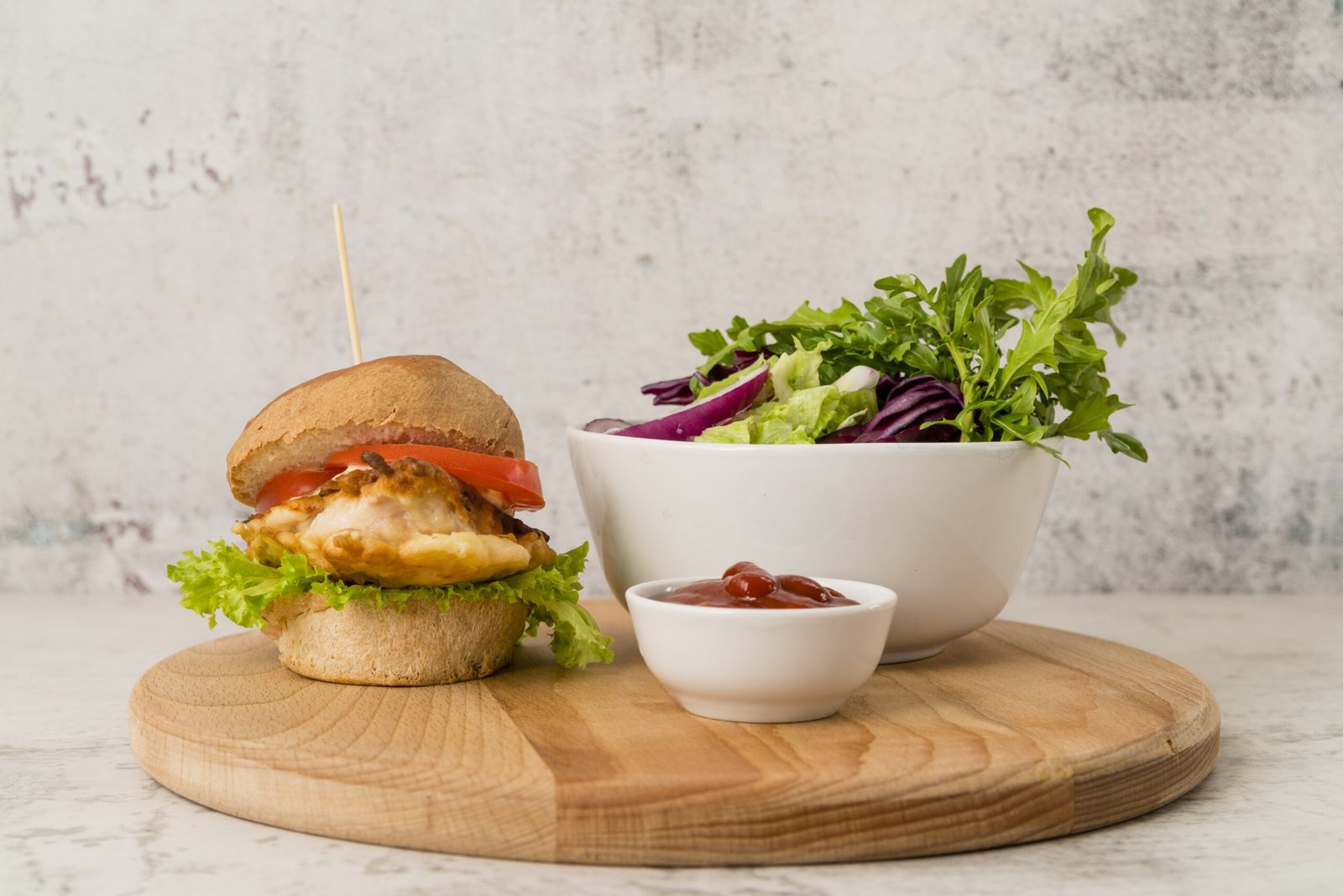
When it comes to gut health, the concept of balance is everything. We often hear about “superfoods” to fix our gut or crash diets that promise a perfect microbiome overnight, yet rarely do we talk about sustainable habits that support the gut over time. That’s where the idea of the 80/20 balance comes in—applying a structured yet flexible guideline to support your digestive system, immune health and overall well-being.
In this article I’ll explore how adopting an 80/20 gut-friendly eating ratio, combined with lifestyle practices, can cultivate a robust gut microbiome, reduce digestive issues, and enhance your quality of life. We’ll weave in science about the gut microbiota, personal reflections to ground the topic in everyday life, and practical tips you can adopt. Whether you’re struggling with bloating, want better digestion, or simply wish to support your gut microbiome long-term, this guide is for you.
Table of Contents
What is the 80/20 Principle and Why It Matters for Gut Health
The Origin of 80/20
The “80/20 rule” originally comes from the work of Vilfredo Pareto, the Italian economist who observed that about 80% of wealth was held by 20% of the population. In health and nutrition, the rule has been simplified to mean: aim for good habits 80% of the time, allow flexibility for 20%.
When we apply it to gut health, this translates into: 80% of your diet and lifestyle choices support your gut microbiome, 20% allow for flexibility, enjoyment, and the real-life moments that make us human.
Why Gut Health Needs Balance
The gut is not just a digestion machine—it’s a complex ecosystem comprised of trillions of microbes, interacting with our metabolism, immune system, brain and mood. Disruption of that ecosystem (often called dysbiosis) is linked with digestive disorders, metabolic disease, mood issues and more.
In such a delicate ecosystem, “all or nothing” approaches tend to backfire. Rigid diets can create stress, negatively impact the microbiome, and cause rebound behaviours. A balanced, consistent approach like 80/20 supports sustainability, reduces stress around food, and promotes a healthier relationship with eating and gut health.
The 80/20 Gut-Friendly Eating Ratio
So what does “80/20 for gut health” look like in practice?
- 80% of your meals and lifestyle feed your gut: high-fibre vegetables, whole grains, fermented foods, lean protein, healthy fats, adequate hydration, physical activity, sleep.
- 20% is your flexibility zone: social meals, treats, less ideal choices—but chosen mindfully, not with guilt or excess.
This ratio helps you stay consistent, avoids extreme deprivation (which can harm your gut), and supports long-term gut ecosystem resilience.
The Science of the Gut: Microbiome, Immune System and the Gut-Brain Axis
Understanding the Gut Microbiome
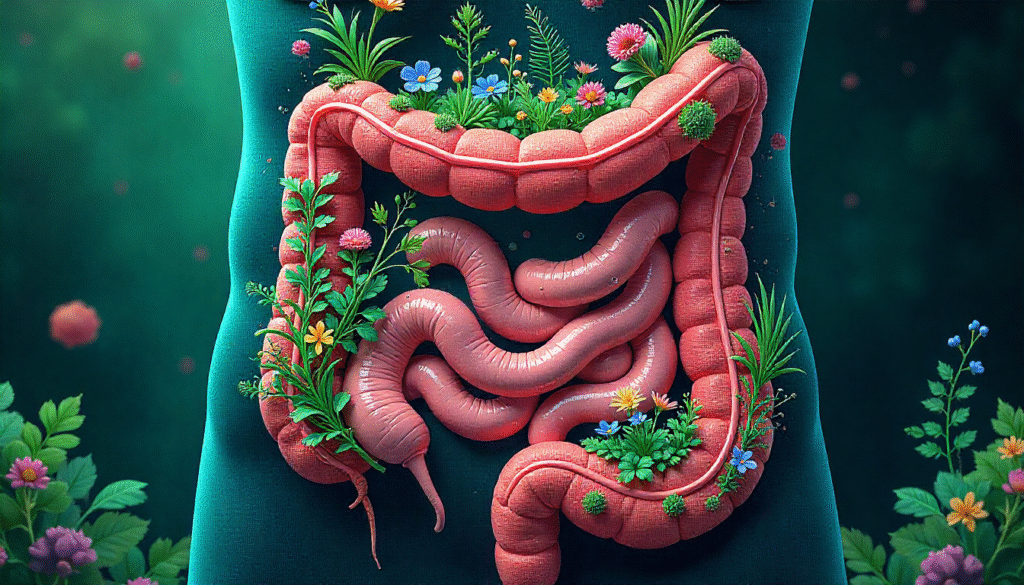
The human gut microbiome consists of roughly 100 trillion microorganisms across about 1,000 species. These microbes produce metabolites like short-chain fatty acids (SCFAs) that help maintain the gut lining, regulate inflammation, and even influence brain function.
When the gut microbiome is balanced, we experience good digestion, strong immunity, stable mood and metabolic efficiency. But when the balance is tilted—due to poor diet, stress, lack of sleep, or medications—dysbiosis occurs, which is linked with conditions like IBS, IBD, obesity, diabetes and more.
Gut-Brain Axis & Why It Matters
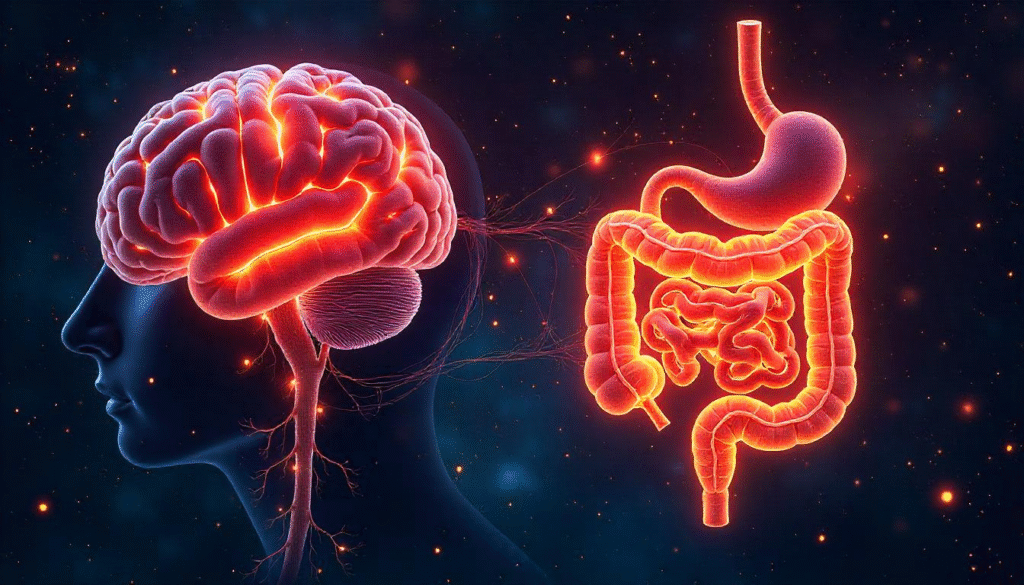
Emerging research underscores the rich dialogue between the gut and the brain (the gut-brain axis). Microbiota communicate via neural, hormonal and immune pathways. For instance, changes in gut microbial composition can affect mood, cognition and stress responses.
This is why a gut-friendly diet and lifestyle are more than just about digestion—they impact your overall health, from energy levels to emotional resilience.
Macro Impacts of Gut Health
Here are key roles the gut-microbiome plays (with scientific backing):
- Immune support: many immune cells reside in the gut; a balanced microbiome supports appropriate immune responses.
- Metabolic health: the microbiome plays roles in lipid metabolism, insulin sensitivity, and body weight regulation.
- Inflammation control: SCFAs produced by microbes help control intestinal inflammation, strengthen the barrier and reduce systemic inflammatory signals.
- Mental wellbeing: microbial metabolites influence brain health, mood, even cognitive performance.
Because the gut touches so many systems, adopting a balanced support strategy (like 80/20) becomes not just desirable—but essential for holistic well-being.
Applying the 80/20 Balance for Gut Health: Practical Strategies
1. Build Your 80% Gut-Friendly Base
Here’s how you make your “80%” count:
High-fibre plant foods: Vegetables, fruits, legumes, whole grains feed your beneficial microbes and produce SCFAs. A diet rich in fiber supports gut health.
Fermented foods & probiotics: Yogurt (if tolerated), kefir, sauerkraut, kimchi, kombucha—all contribute live microbes and help maintain microbial diversity.
Prebiotic foods: Chicory root, onions, garlic, leeks, asparagus, oats—these feed beneficial microbes.
Lean proteins & healthy fats: Fish, poultry, beans, nuts, seeds, olive oil—support gut lining and reduce inflammatory burden.
Hydration & movement: Adequate water, active lifestyle, regular physical activity all support gut motility and microbial distribution.
Sleep and stress management: Lack of sleep and chronic stress disrupt gut barrier and microbiome. Incorporate rest, restorative practices, mindfulness.
2. The 20% Flexibility Zone
This is where you allow yourself to enjoy life: a dinner out, dessert, a treat when you’re at a celebration. The key: mindful indulgence, not mindless bingeing.
• Enjoy your favourite foods, but listen to your body.
• Use the 20% to maintain social connection and enjoyment, not sabotage the balance.
• If you feel like you’re slipping into 30–40% indulgence, reflect and refocus.
3. Plate-Visual Cue Technique
One practical trick: Visualize your plate—fill ~80% with gut-friendly whole foods (vegetables, fibre, lean protein) and ~20% can be more relaxed (treats, indulgences). This visual cue reinforces the eating ratio. It matches the guidelines many nutritionists advocate.
4. Meal Timing and Mindful Eating

Overeating and eating too quickly can strain digestion, impair gut motility, and reduce the efficiency of nutrient absorption. Research on eating behavior shows the gut-microbiome is sensitive not just to what you eat, but when and how.
Try:
- Eat slowly, chew well.
- Stop when you feel ~80% full.
- Avoid late heavy meals close to bedtime—give your GI tract time to flush and repair.
- Consider consistent meal times to support circadian rhythms of the gut.
5. Listen to Your Gut Signals
Your gut will tell you when the balance is off—bloating, gas, irregularity, low energy, mood shifts. In my own life, whenever I swung too far into “indulgence mode” for a week, I’d notice the familiar rumble of sluggish digestion and brain-fog creeping in. That was my cue to re-anchor the 80%.
Keeping a simple journal for a week—tracking meals, how you feel, sleep, mood—can help you identify patterns where the 20% zone is creeping into 30% or more, and the gut starts to complain.
Real Life: My Journey with the 80/20 Gut-Friendly Approach
My Story
A few years ago, I dealt with recurring bloating and irregular digestion. I’d tried rigid diets that mandated “perfect food only”, but inevitably I’d rebel, binge, feel guilty—and the gut symptoms would return worse than before. I realised what I needed wasn’t perfection—it was sustainability.
I shifted to a gut-focused 80/20 strategy:
- 80% of my diet became vegetables, whole grains, legumes, fermented foods, lean protein; I prioritized fibre and microbial support.
- 20% I allowed myself: pizza night with friends, a treat dessert, an extra glass of wine.
- I also improved sleep, reduced late nights, walked daily, managed stress.
What I noticed:
- Within 4–6 weeks, bloating decreased significantly.
- Energy levels became more stable (no mid-afternoon slump).
- My mood improved, and I felt less “controlled” by food.
- Over 6 months, the approach stayed with me; it felt realistic and flexible.
Key Lessons from My Journey
- Guilt undermines gut health: Stress and negative feelings trigger gut-brain signals, which can impair the microbiome. By allowing a 20% zone, I reduced guilt-driven stress.
- Consistency over perfection: Some days fell short of 80%, others exceeded, but the overall weekly average held—what matters is habitual balance.
- Flexibility builds resilience: Social occasions, travel, celebrations—they were not barriers but integrated into the 80/20 framework. The gut responded better when I was less restrictive.
- Lifestyle factors amplify results: It wasn’t just what I ate—the improved sleep, movement, hydration all made the 80% zone more effective.
Key Gut-Friendly Foods & Habits Within the 80% Zone
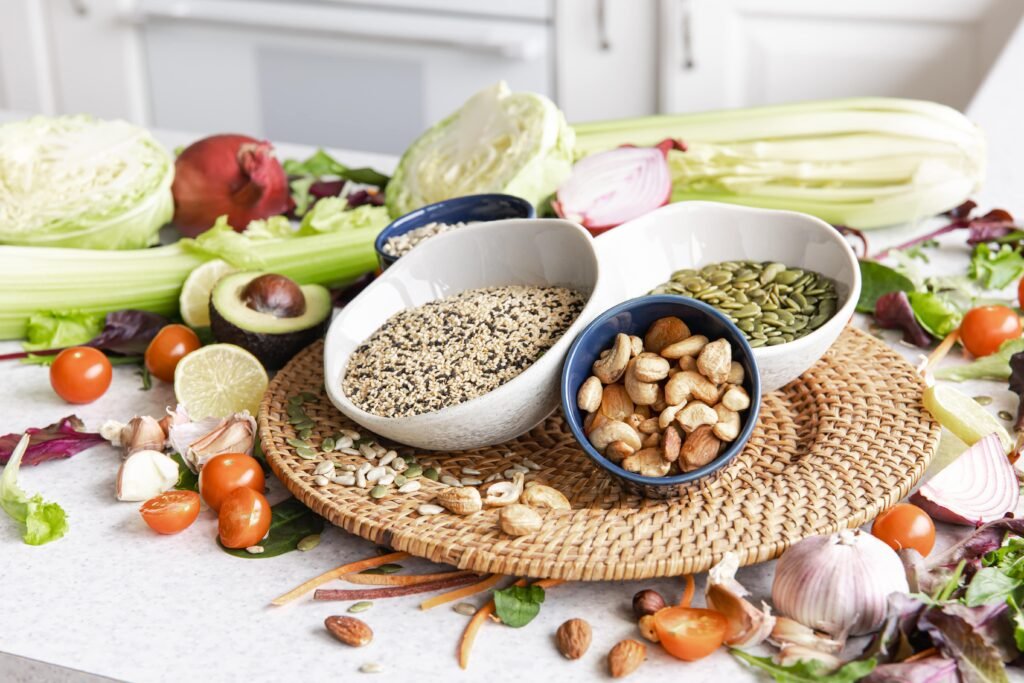
High-Fibre Foods
- Leafy greens (spinach, kale, chard)
- Cruciferous vegetables (broccoli, cauliflower, Brussels sprouts)
- Beans, lentils, chickpeas
- Whole grains (oats, quinoa, barley)
- Fruits with skin and seeds (berries, apples, pears)
These feed gut microbes and support SCFA production which supports barrier integrity, immune function and digestion.
Fermented & Probiotic Foods
- Yogurt (plain, live cultures)
- Kefir
- Sauerkraut / kimchi
- Miso soup
- Kombucha (moderate amounts)
These help diversify the microbiome, contributing beneficial bacteria strains.
Prebiotics & Gut-Supporting Nutrients
- Onions, garlic, leeks, asparagus, bananas (slightly green)
- Artichoke, chicory root
- Nuts, seeds, flax, chia
- Omega-3 rich foods: salmon, trout, walnuts, flaxseed
Healthy Fats & Lean Proteins
- Olive oil, avocado, nuts, seeds support gut lining and reduce inflammation
- Fish, poultry, beans, plant-protein keep protein lean, reducing heavy digestion burden
Lifestyle Supports
- Drink plenty of water: hydration supports gut motility
- Move daily: walking, light cardio, strength training
- Prioritize 7–9 hours sleep: poor sleep disrupts the gut microbiome
- Manage stress: mindfulness, breathing exercises, reducing negativity—all feed the gut-brain axis
Common Pitfalls & How to Avoid Them
1. Turning the 20% Into 60%
The greatest risk in the 80/20 model is letting the “flexibility zone” dominate. If your indulgences consistently outnumber your healthy base, the gut will feel the consequences. Solutions: track weekly ratios (not obsessively), review if you’re drifting, refocus.
2. Ignoring Portion & Food Quality
Even within the “20%” zone, portion size and food quality matter. Overeating ultra-processed foods can disrupt gut flora, cause inflammation, and offset the 80% base. Focus on enjoying, not overdoing.
3. Neglecting Lifestyle Factors
You might eat well 80% of the time, but if you sleep poorly, stress out constantly, remain sedentary, your gut still suffers. The 80/20 ratio must extend beyond food—into movement, sleep, stress, hydration.
4. Expecting Overnight Fixes
Gut healing takes time. Microbial ecosystems adapt gradually. Changes may start subtly (less bloating, more energy) and evolve over months. Patience is key. If you swing wildly between extremes, you undermine progress.
5. One-Size-Fits-All Mindset
Each person’s gut microbiome is unique—genetics, environment, stress, medications all influence it. Use the 80/20 guideline as structured flexibility rather than rigid rule. Adjust based on how your body responds.
How to Measure Progress & Stay Accountable
Track Gut Signals & Well-Being
- Digestive comfort: How often do you experience bloating, gas, irregularity?
- Energy levels: Do you have consistent energy throughout the day?
- Mood & mental clarity: Are you more focused, less moody?
- Sleep quality: Is hunger/satiety balanced, and are you sleeping well?
- Social/psychological balance: Are you enjoying your 20% indulgences without guilt?
Weekly Check-In
At the end of each week, ask two questions:
- Did I maintain roughly 80% gut-friendly base?
- Did I use the 20% zone mindfully (not guilt-driven, not overdone)?
If yes, great. If no, identify what tripped you and plan for next week.
Adjust & Optimize
- If digestively you feel off: increase fiber, reduce processed foods, check sleep/stress levels.
- If indulgences feel out of hand: tighten up the next few days, re-commit to 80%.
- If you feel great: maintain the rhythm, maybe experiment with new gut-friendly recipes.
Use Habit-Stacking
Pair a new gut-friendly habit with an existing routine—e.g., after your morning coffee, eat a high-fibre snack; after dinner, do 5 minutes of mindful breathing so you avoid late snacking that disrupts digestion.
Why the 80/20 Gut Health Approach Wins in the Long Run
Sustainability Beats Perfection
Many diets fail because they demand perfection. The more rigid you are, the more stress you create—and stress itself harms gut health. The flexibility of the 80/20 model fosters long-term adherence and supports gut stability.
Supports Real-Life Social & Emotional Needs
Eating is social, emotional, cultural. By allowing 20% flexibility, you integrate enjoyment, social meals and treats—without guilt. That means less stress around food, which benefits gut health.
Resilience & Adaptability
Real life isn’t perfect—travel, holidays, stress, unforeseen events happen. A rigid diet cracks under this pressure; the 80/20 model adapts. Your gut stays supported even when life gets messy.
Amplified Health Effects
Because gut health influences immune, metabolic, mental systems, adopting a balanced gut-first strategy doesn’t just aid digestion—it supports your whole body. Over time, that creates compounding benefits.
Final Thoughts
Supporting your gut health isn’t about chasing perfection—it’s about balance, consistency, sustainability. By adopting an 80/20 gut-friendly eating ratio and pairing it with lifestyle habits (sleep, movement, stress management), you create an environment where your microbiome can thrive.
You are human, you will have indulgences, you will have off days—and that’s okay. What matters is your overall pattern. Over weeks, months, and years, the 80% of strong gut-friendly habits build a resilient foundation; the 20% of indulgences sustain your joy and social connection.
Start today: look at your meals this week, identify if you’re feeding your gut 80% of the time, and plan your 20% mindfully. Let your gut thank you—not just in digestion, but in energy, mood, immunity and the zest for life.
Here’s to your gut health—and to living well, not perfectly.
Frequently Asked Questions (FAQ)
Q1. Can I choose any foods for the 20%?
Yes—but make mindful choices. The 20% isn’t a “free-for-all”. Even indulgences matter. Opt for treats you truly enjoy, eat them slowly, savour them, and avoid turning them into comfort eating.
Q2. Does the 80/20 rule mean I can skip fibre occasionally?
Occasional indulgence is fine—but ensure your overall weekly average supports your gut. If you neglect fibre for several days straight, your microbiome may shrink its beneficial populations. So strive for regularity.
Q3. How long before I see gut health improvements?
It varies, but many people notice improvements (less bloating, better digestion) within 4–8 weeks of consistent base support. Larger shifts may take months. Patience wins.
Q4. What about supplements?
While whole-food, lifestyle methods should be the foundation, some people use probiotics or prebiotic supplements. If you go this route, consult a healthcare professional. The core remains food + lifestyle.
Q5. Is 80/20 the only ratio?
No. Some may adopt 90/10 or 85/15 depending on goals. The principle is flexibility. The key is to choose a ratio that you can maintain consistently without guilt or burnout.
Q6. How does the 80/20 rule help repair leaky gut or gut inflammation?
The 80/20 balance supports the healing of a leaky gut by reducing the daily burden on your digestive system. When 80% of your intake comes from anti-inflammatory, fiber-rich, and gut-nourishing foods (like leafy greens, prebiotics, and fermented foods), you strengthen your gut lining and encourage beneficial bacteria. The 20% flexibility prevents stress-related flare-ups by keeping your approach relaxed and realistic. Chronic stress from restriction can actually worsen gut permeability, so balance truly promotes healing.
Q7. What are the best 80% foods for gut microbiome diversity?
Aim for a variety of plant-based foods — researchers suggest 30+ plant types per week for a thriving microbiome. Great options include beans, lentils, whole grains, cruciferous vegetables, leafy greens, nuts, seeds, and fermented foods like kimchi or kefir. Rotating foods introduces different fibers and polyphenols that feed diverse bacterial strains, improving gut ecosystem resilience.